Guest Blogger:
Meredith Masel, PhD, MSW
Oliver Center for Patient Safety Quality Healthcare
I remember, fondly, the game of “telephone.” We used to play it in school when our teachers were willing to let the class deteriorate into a pile of giggling elementary students. Somehow, no matter how hard we tried, “The quick brown fox jumps over the lazy dog,” would become “The foxy dad slept in the brown box.” Noteworthy is the concept that even bright, young, school-aged people forget details. Have you considered lately the details you may forget? What did you want during this grocery trip besides batteries? What have you been meaning to ask your sister? What was that other pill your doctor said might help if this one doesn’t work?

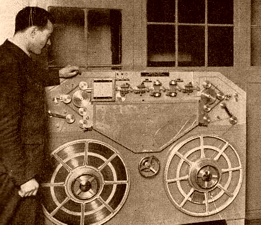
You may be surprised to read that studies show the average person may not remember more than 11-75% of the details of their conversation at a doctor’s appointment (Flocke & Stange). There are some implications to the problem of missing a few particulars. Patient satisfaction and sticking to your healthcare advice is highly dependent on remembering the details of that advice. So, how can you be sure that you are sending the message and the medicine home with your patients? Many groups use printed after visit summaries. These can be helpful if you have access to these tools. But there’s another way. Consider recording all or part of your encounter with your patients. Either in their own words repeated back to you (use the teach-back method we all learned in school), or while you are talking to your patient, recording can help them remember what they need to be successful with your treatment plan. They can then listen to the information from a medical appointment at any time, share with family/loved ones, take time to think about their choices, and have easy access during times out-of-town or during evacuation emergencies.  If you are confident in the care you are giving them, confident enough to take your own notes and make your own records, you can be confident enough to put yourself on tape (Kvedar).  If this makes you uncomfortable, have the patient do it in their own words.  If you notice they are getting something wrong, you’ll have made a breakthrough in your treatment.

How do you do it? Ask your patient if they are interested, tell them to bring a recorder or a cell phone to their appointment, or teach them about the web tool www.yourdoctorsadvice.org.  During your appointment ask, “What are you going to tell your husband/wife about our conversation today?” Have them start a recording and talk in front of you. Or, you can ask your patient if he or she minds recording all or part of your appointment so they can listen to it later by themself or with another person. This may be especially helpful if one family member is in charge of an older parent’s care and siblings live in other states or counties. It can be a win-win situation if you can, for instance, tell someone that his sister has a recording about mom that can answer all of his questions.

“I wish I had a tape recorder on during that conversation.” How many times in your life have you said that? Try it with your patients.

For more information, please contact the author at mcmasel@utmb.edu.

References

  1. Flocke, SA., & Stange, KC. Direct Observation and Patient Recall of Health Behavior Advice, Preventive Medicine, 2004, 38, 343-349.
  2. Kvedar, JC. Should Physicians Use Email to Communicate With Patients? Wall Street Journal, 1-23-2012. http://online.wsj.com/article/SB10001424052970204124204577152860059245028.html

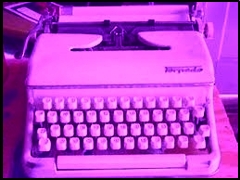
Image – http://www.preservationsound.com/?p=2429
“Everyone must leave something behind when he dies, my grandfather said.
A child or a book or a painting or a house or a wall built
or a pair of shoes made. Or a garden planted. Something your hand touched
some way so your soul has somewhere to go when you die …”

 — Ray Bradbury (1920-2012), Fahrenheit 451


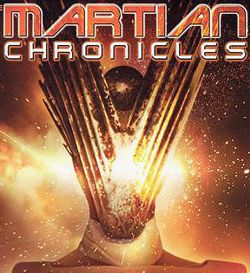
Ray Bradbury made his transition from this world recently at the age of 91. Being over 90 is a venerable age and one where we do not say, “Why him? He was so young.” There is a point when we don’t seem to feel that a person has somehow died too soon. I met Bradbury once about seven years ago. He seemed old and venerable then but still an interesting man who had a lot to say. I wish him well on the next stages of his journey.

Bradbury wrote the short stories that comprise The Martian Chronicles (1950) in the 1940’s and they have woven a spell of mystery for me all my life (well at least since after I learned to read). The stories deal with the deaths of Martian and Earthly civilizations as told through the eyes of individual people’s life experiences.

I have always felt (even though the stories do not actually say this) that the Martians finally all die out because they have lost the meaning of their existence and find the simple burden of staying alive too complicated and not worth the effort.  I think that happens to some of us humans too.

And for some of us it does not. Why? What makes life worth living?

Bradbury also wrote Something Wicked This Way Comes (1963) in which laughter triumphs over all forms of  bad stuff (I hesitate to call anything “evil”). Certainly, laughter gives us a reason for life.


Image from http://www.2luxury2.com/2012/06/homage-to-ray-bradbury-author-of-fahrenheit-451-and-the-martian-chronicles

My great aunt Alice was born in 1882 and when I painted her house in 1965 she was 83 years old. I was in college and my great aunt lived in a house owned by my aunt. My aunt hired me to paint the living and dining rooms of the house. It took me quite awhile as the plaster needed a lot of repair work. Every day my great aunt Alice would make coffee. It was strong enough to remove rust but it was good and smelled wonderful. When I think of old people I think of fresh paint and lovely coffee.

Some people think old people smell bad. I wonder why?

For those of us who have visited in nursing homes one does notice that the smells are quite distinctive and often unpleasant. I think that set of smells is due to the location and circumstances not some inherent shortcoming of being old.

It turns out people do smell different at different ages. Mitro et al (2012) did a study where a set of judges smelled young, middle aged and old people and were able to distinguish among them. Actually to keep the judges unaware of who they were smelling, they smelt sweaty underarm pads. A bit gross but at least anonymous. This study was discussed on Fox News and they reported that no age group smelled bad just that the groups smelled different.

Finally, another study by Distel & Hudson (2001) looked at the power of suggestion on the perception of an odor. If subjects just smelled something without knowing what it was they tended to have neutral opinions. If subject were informed of the nature of the odor they held stronger and more focused opinions. Thus, it would seem that what we believe about something influences our perception of it.

I like the smell of fresh coffee on a Summer’s morning.

References

  1. Mitro S, Gordon AR, Olsson MJ, Lundström JN. The Smell of Age: Perception and Discrimination of Body Odors of Different Ages. PLoS ONE, 2012, 7(5), e38110. http://www.plosone.org/article/info:doi/10.1371/journal.pone.0038110
  2. http://www.foxnews.com/health/2012/05/31/old-people-have-distinctive-smell-but-it-not-too-bad-study-finds
  3. Distel H & Hudson R. Judgment of Odor Intensity is Influenced by Subjects’ Knowledge of the Odor Source. Chem. Senses, 2001, 26(3), 247-251. http://chemse.oxfordjournals.org/content/26/3/247

Image

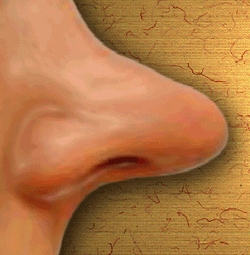
Adapted from the iPhone/iPad application “Try My Nose” by Morgan Marion.

Bill Sinkin

Bill Sinkin (Photo credit: Wikipedia)

This week I have been at the annual Innovations in Online Learning conference in San Antonio. I gave a presentation about our use of social media in the ETGEC (see the link below for the actual presentation). In my room was a freebie magazine and it had an article about 101 fun things to do this Summer. Illustrating the article were photos of a very robust 99 year old man having a great time eating ice cream, going to the movies and playing golf. The man is Bill Sinkin, who is a very long time fixture in San Antonio’s civic and business activities (see his link below). The pictures just exude a celebration of life, so that’s today’s blog. No issues or sarcasm, just happy celebration.

Now Bill Sinkin reminded me of a series of Six Flags commercials that showed another older man who was just delighted with life. These commercials have very zippy music and the man just dancing up a storm. You have to see it. Go to the Happy Dance link below.

It’s curious but some people did not like these commercials and felt the old man was creepy (see the creepy links below), but we’ll deal with creepy another time. For today just go outside and enjoy the sunshine.

Links

  1. IOL Presentation: http://smithcreekstudios.com/iol2012
  2. 101 Fun Things: http://www.sanantoniomag.com/SAM/May-2012/101-FUN-THINGS-TO-DO-THIS-SUMMER/index.php
  3. Bill Sinkin: http://en.wikipedia.org/wiki/Bill_Sinkin
  4. Happy Dance: http://www.youtube.com/watch?v=1PDIBTS_xDQ
  5. Creepy: http://en.wikipedia.org/wiki/Mr._Six  and http://www.time.com/time/business/article/0,8599,1912454,00.html

Link to image:

http://en.wikipedia.org/wiki/File:Bill_Sinkin_2010.jpg

“… When you got nothing, you got nothing to lose
 You’re invisible now, you got no secrets to conceal.”
~~ Bob Dylan

The Invisible Man

In an episode of the TV series, Midsomer Murders, two characters in a residential facility for elders are talking, and one says that as he has become older he has become invisible. By that he means he has become unimportant. He attributes his fading presence to the facts that he is no longer working (a place where he found identity), his family members are either dead or not living nearby, he has few friends, and his reduced financial resources limit his activities.

Being invisible used to be an attribute of old people. In fact, Agatha Christie wrote a number of novels about Miss Marple, an elderly woman who solved crimes because she was old and invisible. People would speak out their secrets when she was nearby assuming she was a harmless, doddering old fool.

With the growth of the older population, AARP and all that, I wonder how prevalent that notion is today? And if the stereotype is still prevalent at what age point does it apply? I mean when does invisibility creep up? When one is 80? 90? 100?

Frank Kaiser offers this timeframe, “By the time you’re 85, hardly anyone ever sees you anymore. Even your family loses track of you for a day or two each week.” Hilary Mantel sets the bar at above 50 for women and she laments that the older women of her childhood “ran the world” but now even a “reference to ones age is not neutral but a sort of accusation.”

My circle of friends here in the Hill Country tends to be people in the 60 to 70 year old range but they/we are bright, strong, active, and not harmless, doddering nor invisible.

Yet.

References

  1. Bob Dylan. Like A Rolling Stone, 1965, 1993. http://www.bobdylan.com/us/songs/rolling-stone
  2. Blue Herrings, Episode 11 of Midsomer Murders, Bentley Productions, 2000. http://www.imdb.com/title/tt0647477
  3. Frank Kaiser. Invisible? When Did I Become Invisible? Suddenly Senior, 2005. http://www.suddenlysenior.com/invisible.html
  4. Hilary Mantel. Women over 50 – the invisible generation. The Guardian, Aug 2009. http://www.guardian.co.uk/commentisfree/2009/aug/04/hilary-mantel-older-women

Image

Movie poster for The Invisible Man (1933). http://en.wikipedia.org/wiki/File:The-Invisible-Man.jpg

Due to population growth in Texas, and as people move into affordable areas outside of urban areas, once rural communities become suburbs. It’s a subtle change and one that has official consequences. It turns out that the US Census people determine what’s rural and what’s urban from the data they collect every decade. So, several communities around Austin that were rural in 2009 have now been reclassified as urban in 2012 (the census was done in 2010 but it takes awhile to sift thru all that information). The towns of Georgetown, Kyle and San Marcos now have the distinction of being urban (Article by Claire Osborn in the Austin American Statesman, print edition, May 14, 2012).

So what? They are still small towns and seem fairly pastoral if no longer truly rustic. One “so what” is important to older people who do not drive but need to get around. How’s this? Allow me to digress…

Rural areas don’t have mass transit. No bus routes wind thru the rural lanes because the population is too sparse and bus service is not profitable or even manageable for small communities. In days past, rural elderly who needed a ride into town got one from a family member, neighbor or kindly church lady. That still works but as society has spread the family out across the country and as elders become more isolated, the government has stepped up with rural transportation schemes (see Note below). These are heavily subsidized by the Federal government and local communities get bus service for a song. For example, Georgetown’s rural bus service costs the city $10,000 per year and the Feds pick up the rest of the approximately $250,000 cost.

These services only serve rural areas and these new urban areas are no longer eligible for the service. Each of these communities now need to create their own bus service and find some way to pay for it. I expect they will figure out how to develop new services and find additional local, state, and Federal monies to pay for it.

This is a social problem solved at the community level but it also affects individuals, especially the people who depend these transportation services. The sudden loss of access to mobility can have major implications. In addition, there is a scary fragility about many aspects of life. Things may seem fine today, and tomorrow some distant person or event can alter the whole picture. Storms can erase our homes in an instant. An essential care provider can fall sick or die in an accident. The government bean counters can redefine where you live.

Little things make a difference, both in positive and negative ways.

————————————————————————————————————–

Note: The Capital Area Rural Transportation System, or CARTS, is a Rural Transit District formed through inter-local agreement by nine county governments in the seventy-five hundred square mile region surrounding the Texas capital city. The CARTS District includes all of Bastrop, Burnet, Blanco, Caldwell, Fayette, Hays and Lee counties and the non-urbanized areas of Travis and Williamson counties.

Image from: http://darknomad.com/13-things-you-must-get-used-to-when-travelling-in-the-third-world

I tend cycle my level of exercise with the seasons. Winter in Texas does not qualify as more than a cool Fall day in Northern climes, but the trees do lose their leaves and I do a mild form of hibernation. With Spring comes the growth that stirs me to action.  Some of the trees I hoped the drought did not kill, are dead and need taking out. The meadow is being taken over by thistle. Dianne wants a new meditation spot below the house. So, I’m out doing all that physical labor I put off in Winter and feeling more fit and muscular as a result.

I do feel however a change in strength and coordination as I age and it seems an area to be mindful about. Now loss of muscle mass as a function of age is pretty well documented (Doherty, 2001; Newman et al., 2003; Janssen & Ross , 2005; ). This age-related reduction in skeletal muscle even has a name, sarcopenia (Abellan van Kan, 2009: Visser, 2009). It seems to become more prevalent as we move through the 70s and 80s and to be associated with a variety of factors. However, one consensus is consistent, as we age we get weaker.

Now it seems obvious that a good diet and exercise is about the best thing one can do to prevent or at least slow down this situation. (Fielding, 1995). What sort of exercise is optimal is difficult to proscribe and probably varies with the individual. See Onambélé-Pearson, Breen & Stewart (2010) and Zak, Swine & Grodzicki (2009) for studies of the benefits of various exercise intensities and nutritional approaches.

Science aside, I think there is a functional component to eating, working and living. Carefully regulated diet plans and finely delineated exercise regimens have their place in maintaining wellness, but I feel there is a natural  flow of heath that can be tapped by listening to the land, working it as needed and feeding the body as a result of those labors. This model has a champion in my wife’s hero, Tasha Tudor. Her approach to a long life is worth considering (Tudor & Brown, 1992).

I may stick with Winter hibernation and long Summer days of work. That’s a form of cross-training, right?

Image copyright Tasha Tudor and Family Inc.References

  1. Abellan van Kan G. Epidemiology and consequences of sarcopenia. J Nutr Health Aging, Oct 2009, 13(8), 708-12.
  2. Doherty TJ. The influence of aging and sex on skeletal muscle mass and strength. Curr Opin Clin Nutr Metab Care, Nov 2001, 4(6), 503-8.
  3. Fielding RA. The role of progressive resistance training and nutrition in the preservation of lean body mass in the elderly. J Am Coll Nutr, Dec 1995, 14(6), 587-94.
  4. Janssen I & Ross R. Linking age-related changes in skeletal muscle mass and composition with metabolism and disease. J Nutr Health Aging, Nov-Dec 2005, 9(6), 408-19.
  5. Newman AB et al. Strength and muscle quality in a well-functioning cohort of older adults: the Health, Aging and Body Composition Study. J Am Geriatr Soc, Mar 2003, 51(3), 323-30.
  6. Onambélé-Pearson GL, Breen L &Stewart CE. Influence of exercise intensity in older persons with unchanged habitual nutritional intake: skeletal muscle and endocrine adaptations. Age (Dordr), Jun 2010, 32(2), 139-53. Epub 2010 Apr 21.
  7. Tudor, T & Brown R. The Private World of Tasha Tudor. Little, Brown & Company, Boston, 1992.
  8. Visser M. Towards a definition of sarcopenia–results from epidemiologic studies. J Nutr Health Aging, Oct 2009, 13(8), 713-6.
  9. Zak M, Swine C & Grodzicki T. Combined effects of functionally-oriented exercise regimens and nutritional supplementation on both the institutionalised and free-living frail elderly (double-blind, randomised clinical trial). BMC Public Health, Jan 2009, 28, 9, 39.

Image

The April/May 2012 issue of the AARP Magazine has this on the front page “How she stays forever young…” Something about that struck an odd note in my mind. Is staying young the goal of aging?

Well, the answer is no. Aging, per say, has no goal. It is simply what happens as time passes. Wine ages, getting better as time passes. I think people do not “get better” over time, nor do we get worse. We have a life and from beginning to end, each moment is a gift and no better or worse than the next.

But back to the value of staying young. It is a common term used for older people and it implies something good. What good? The young are immature, impulsive, and have yet to attain full brain functioning, complete educations, independent finances, etc. No, the term does not imply those aspects of youth. It is implying the positive aspects of strength, agility, beauty, sparkle, drive, joy and delight. It implies these qualities, but why do we associate these qualities with youth? Well, we must be assuming the young have and the old do not. Thus, the corollary  of “staying young” is “getting old.” And by implication we know how awful that state can be.

This is an inspection of the words we use and the ways words imply conditions and how if we hear it often enough it comes true. Just ask any Madison Avenue marketing person about why we think Kleenex® is for blowing our noses. Staying young is one use of words that conveys an unintended message and one that we tend to believe.

Like other negative words, (insert the ones of your choice here), it is time to select alternatives. New words that send a positive message. I suggest that phrase on the magazine cover be revised to read, “How she stays strong, agile, beautiful, sparkling, driven, joy filled and delighted.”

Image:

I cannot find the source for this photograph but it is widely reproduced across the Internet. That’s not a claim to fair use but it is an acknowledgement of a great picture. http://www.connectorlocal.com/user_files/voice/display/f28cd4dea562cbe8877719254b52f7da.png

Poems open the windows into our souls. When I was in high school I hada record of someone reading poems by E. A. Poe. One of the poems was Annabel Lee (http://www.poetryfoundation.org/poem/174151) and I remember it still after nearly 50 years. What gets into my soul is not the meaning of the words but the rhythm of the words and the patterns of the sounds. I’ve never known anyone called Annabel Lee but the first stanza pops into my mind every so often:

It was many and many a year ago,
In a kingdom by the sea,
That a maiden there lived whom you may know
By the name of Annabel Lee;
And this maiden she lived with no other thought
Than to love and be loved by me.

The rythum of the words is, well actually, sheer poetry.

I have been digging through a collection of poems and essays titled, When I Am An Old Woman I Shall Wear Purple (Edited by Sandra Martz, Papier-Mache Press, Watsonville, California, 1991). The first poem in the book, Warning by Jenny Joseph, begins with the book’s title and goes on to tell about how when we are young we feel the need to meet other’s expectations, but when we are old we can do as we please and be ourselves. We can even wear clothes that don’t match.

I just wonder how much of life is spent in seeking our authentic self? I think of artists like Modigliani (http://www.imdb.com/title/tt0367188) or Jack Kerouac (http://www.imdb.com/name/nm0449616) who each had mighty struggles seeking their authentic core and lived lives of desperation and tragedy. I also think of my parents who never seemed to ask any of those questions and who died empty and sad. Most of us are somewhere between but I think it is best to seek than never to wonder.

Life review is a fairly common concept in long term care and hospice settings. There are a number of web sites with methodologies for using it with elders (See Web Sites below) and there are some research articles on the effectiveness of life review (or reminiscence therapy) in the literature. Most research has focused on measurable things like depression or quality of life. These are short term and apply more to fitting into the flow of the long term care facility as opposed to helping people truly find meaning. Perhaps remembering is not where meaning lies.

Poems form a wedge between all those thoughts we have and our need for things to somehow “make sense.” Poems appeal to the unconscious and as we let them in without any expectations they can lead to understandings, not of the mind, but of the heart.

My Wednesday night study group once undertook to study the poems of the 12th century Sufi teacher Rumi. It was difficult for us as we kept trying to put Rumi in the same boxes as we put other philosophers and spiritual thinkers. Rumi did not fit and so my group left him for other more deliberate thinkers. But for me Rumi did fit. He fit into my soul. His words, inspired by glimpses of the infinite and applied to the everyday, cannot be put into other words but simply need to be felt.

Two brief snippets of Rumi –

The breeze at dawn has secrets to tell you.
Don’t go back to sleep.
You must ask for what you really want.
Don’t go back to sleep.
People are going back and forth across the doorsill
where the two worlds touch.
The door is round and open.
Don’t go back to sleep.

And —

The chess master says nothing,
other than moving the silent chess piece.

That I am part of the ploys
of this game makes me
amazingly happy.

From: Barks, C. The Essential Rumi. Harper, San Francisco, 1995.

Web Sites:

References:

  • Bohlmeijer E, Smit F & Cuijpers P. Effects of reminiscence and life review on late-life depression: a meta-analysis. Int J Geriatr Psychiatry, 2003, 18, 1088–1094.
  • Haight BK, Michel Y & Hendrix S. Life review: preventing despair in newly relocated nursing home residents short- and long-term effects. Int J Aging Hum Dev., 1998, 47(2),119-142.
  • Lin LJ, Li KY & Tabourne CE. Impact of the life review program on elders with dementia: a preliminary study at a day care center in southern Taiwan. J Nurs Res., 2011, 19(3), 199-209.
  • Lin YC, Dai YT & Hwang SL. The effect of reminiscence on the elderly population: a systematic review. Public Health Nurs. 2003, 20(4), 297-306.

Bronnie Ware talked with many dying people and asked them about their regrets, e.g., what is it that you most regret not doing? She compiled these forlorn moments in a book (Ware, 2011) and came up with the top five regrets.

  1. I wish I’d had the courage to live a life true to myself, not the life others expected of me.
  2. I wish I hadn’t worked so hard.
  3. I wish I’d had the courage to express my feelings.
  4. I wish I had stayed in touch with my friends.
  5. I wish that I had let myself be happier. (From Stiner, 2012)

Ware’s book suggests that one might want to consider one’s possible regrets before death is imminent. If you make a list of regrets, there is a web site where you can post your regrets. Each day they pick the most sad or lurid  regret (opinions may differ here) to post as the “Secret Regret of the Day” (http://www.secretregrets.com). I’m not sure why you would want to do this but the posting of other people’s regrets is fascinating reading (at least for a few minutes).

If you examine the unfulfilled expectations of your life and still have some time left, you can use that time to do those things before they become full blown regrets. That’s where the idea of the “Bucket List” comes from. A list of things to do before you “kick the bucket.” This notion is the central theme in a film called The Bucket List. So watch the movie to see how it might work and then create your own list to reduce your “regret” quotient. There is a web site where you can record your bucket list, keep track of your progress, and share your accomplishments (http://bucketlist.org/).

And it is most interesting that in real life, as opposed to a film, what people regret is not “missed the chance to go nude skydiving,” but things of the heart, like being truer to one’s inner self. That  being said however, perhaps nude skydiving expresses your inner self. I think that sometimes the ethereal and the outrageous might merge, so get out there to fulfill your inner self, whatever that might be.

References:

Ware, B. The Top Five Regrets of the Dying: A Life Transformed by the Dearly Departing. Balboa Press, Bloomington, IN, 2011.

Stiner, S. Top five regrets of the dying. The Guardian, Feb. 1, 2012. (http://www.guardian.co.uk/lifeandstyle/2012/feb/01/top-five-regrets-of-the-dying)

The Bucket List. Warner Bros., 2007. (http://www.imdb.com/title/tt0825232)

Image: Excerpt from a still of Jack Nicholson in The Bucket List.

Saving the World

Saving the World

William Thomas has written a book (Thomas, 2004) where the second part of the title bears the intriguing statement, “… How Elders Will Save the World.” OK, he does not mean “save the world” in a literal fashion. He means it as a reversal of long held notions about the latter stages of life.Thomas postulates that the many myths about aging held by modern societies give us a distorted perception of the process of getting old and moving towards death. In general, we see that process as one of loss. Loss of strength. Loss of endurance. Loss of balance. Loss of memory. Loss of influence. Loss of power. All sorts of losses are laid at the feet of the very old person.

Thomas believes that human development does not stop. As we get older we can continue to develop, especially if our environments encourage and expect us to grow. Thomas has been involved in developing group homes for elders and has 10 principles for creating an Eden at the end of life (See http://www.edenalt.org/our-10-principles).

In his TED talk, Thomas gives the example of “Still” (http://www.youtube.com/watch?v=ijbgcX3vIWs). He says that old people are evaluated as being useful if they can “still” do the things of youth. Thomas wants us to honor and respect old people for that they do now. Of course as we age some activities are “still” not done, but it seems Thomas believes other qualities can be developed. He asserts that while we become more frail at extreme old age, we have left to us other areas to expand and build upon. Like the blind person who develops acute hearing, the frail elderly can expand and grow… well, how? What? That is the good question? Thomas is not specific here. I wonder what areas and talents might one develop when reaching the limits of earthly existence. Mental and spiritual areas come to mind. But, that’s a question you readers might pursue in the comments section or at the ETGECC Facebook page (http://www.facebook.com/ETGECC).

Anyhow, Thomas concludes that when we see the process of aging differently we, all of us, young to old, will see life differently. We will know that at the end of life we have the potential to keep growing and that makes all of life a growth process. This perception if held by children and carried along throughout life, will change the world.

Notes:

I talked about Thomas before in Back to the Commune (http://wp.me/pH3Dx-1E).

A blog, whose author is anonymous, offers a few insights about Thomas’ book. (http://nursinghomecall.blogspot.com/2012/03/what-are-old-people-for.html#!/2012/03/what-are-old-people-for.html)

Reference

Thomas, WH. What Are Old People For?: How Elders Will Save the World. Vander Wyk & Burnham, Acton, MA, 2004. (http://www.amazon.com/What-Are-Old-People-For/dp/1889242322/ref=tmm_pap_title_0)

Reading was on my mind this week. I read a lot, newspapers, magazines, books, and mostly on paper. I like paper books. I was wondering if reading things on paper was becoming a hallmark of the geriatric segment of our society?

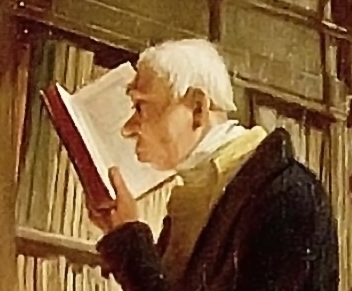
Detail from "The Bookworm"

Detail from "The Bookworm"

I do know that the Harry Potter books are read by ‘tweens and octogenarians and all points in-between. Anyhow, who reads these days?

“Among those who said they had read books, the median figure — with half reading more, half fewer — was nine books for women and five for men. The figures also indicated that those with college degrees read the most, and people aged 50 and up read more than those who are younger.” (From an AP-Ipsos Poll conducted in 2007 and summarized at http://www.msnbc.msn.com/id/20381678/ns/us_news-life/t/poll-one-four-adults-read-no-books-last-year).

Might book reading become a cultural divide between the elderly and everyone else? This was a difficult question to find any information about. Reading can bring people together. Debora Powers (2009) describes an multi-generational book club that was successful in getting children, parents and grandparents talking and sharing around a common book.  But still I wonder if the young will still get lost in the wonder of books.

What about electronic books (ebooks)? Are they just a high tech tool embraced by the Millennials and all those younger? Do ebooks have appeal for us old paper guys? One article mentions that ebooks, due to their adjustable text size and bright, clear screens actually make reading easier for older people with our older and less flexible eyes (blog post by Tony on March 3, 2010. eReaders for the elderly – A useful gadget for older people. http://www.ebookanoid.com/2010/03/03/ereaders-for-the-elderly-a-useful-gadget-for-older-people).

What are your reading skills? Just for fun, follow this link and take a quick reading speed and comprehension test.

ereader test
Source: Staples eReader Department

Reference:

Powers, D. What generation gap? Reading Today, 2009, 26(4), 28 (http://www.reading.org/General/Publications/ReadingToday/RTY-0902-gap.aspx).

Picture:

“The Bookworm” by Carl Spitzweg, 1850 (http://en.wikipedia.org/wiki/The_Bookworm).

The current issue of Vanity Fair (April 2012) examines a feud over money and rights to exploit a system of Yoga practice developed by Sri Krishna Pattabhi Jois (http://en.wikipedia.org/wiki/K._Pattabhi_Jois). Jois, who died in 2009 at the age of 94, is not a part of this conflict nor does the issue have anything to do with the exploitation of the elderly. It just made me think that since Jois was still practicing and teaching yoga into his 90’s that yoga is a discipline that might be really great for older people to consider taking up.

So, I wandered the virtual halls of the medical literature to see what we know about the benefits of yoga. A few selected studies are summarized below.

A recent review of “benefits of yoga” articles (Ross & Thomas, 2010), concluded that yoga is an effective form of exercise and has both physical and emotional benefits. This review looked at 80+ articles dealing with the benefits of yoga in general. A few elder-specific articles were examined. Barry et al (2006) found that “those in the yoga group showed significant improvement in quality-of-life and physical measures compared to exercise and wait-list control groups,” but no change in cognitive function. An older study done by a friend of mine David Haber (1983) found that elders who did yoga regularly felt better and lowered their blood pressure. Chen, et al (2007) implemented a yoga program and asked the senior participants to evaluate the experience  in terms of the difficulty of the poses, the structure of the classes, etc. The students found it to be an acceptable and helpful activity. Finally, a word of caution about teaching yoga to elders is found in Krucoff (2010). She discusses some of the physical limitations to be mindful of when working with older people.

So, I’d say yoga has potential. I think I’ll give it a try. Now, where did I put my sacroiliac?

References

Barry S. et al. Randomized, Controlled, Six-Month Trial of Yoga in Healthy Seniors: Effects on Cognition and Quality of Life. Altern Ther Health Med, 2006; 12(1), 40–47

Chen, K. et al. Development and evaluation of a yoga exercise programme for older adults. Journal of Advanced Nursing, 2007, 57(4), 432-441.

Haber, D. Yoga as a Preventive Health Care Program for White and Black Elders: An Exploratory Study. The International Journal of Aging and Human Development, 1983, 17(3), 169-176.

McLean, B. Whose Yoga is it, Anyway? Vanity Fair, April 2012, No. 620, 142-154.

Krucoff, C. et al.Teaching Yoga to Seniors: Essential Considerations to Enhance Safety and Reduce Risk in a Uniquely Vulnerable Age Group. The Journal of Alternative and Complementary Medicine, 2010, 16(8), 899-905.

Ross, A. & Thomas, S. The Health Benefits of Yoga and Exercise: A Review of Comparison Studies. The Journal of Alternative and Complementary Medicine, January 2010, 16(1), 3-12.

Some Yoga Resources for Older People

Yoga at the Kitchen Sink: Standing & Chair Yoga Poses for Seniors & Their Friends by Peggy Gardiner, who is an occupational therapist as well as a yoga teacher. (http://www.yogaandseniors.com)

Yoga Poses for Elders is an article on Livestrong.com by Lori Newell (http://www.livestrong.com/article/259378-yoga-poses-for-elders)

Image

http://www.pineappleyoga.com/img/p-jois_med_007.jpg

A solider had had a vigorous life and been wounded on numerous occasions. He had lost a leg, an arm, his shoulders and chest, been scalped and was minus his teeth, tongue and palette. In real life he was barely a head and a torso, in public however he was “that truly fine-looking fellow, Brevet Brigadier General John A. B. C. Smith” (Poe, 1950).
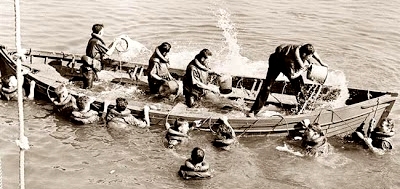
In the 1970’s the main character in a television series, The Six Million Dollar Man, was a crime fighter with many artificial parts; both legs, an arm and an eye that gave him if not superhuman powers at least pretty-good powers. This series was followed by The Bionic Woman, so as not to have any gender bias in replacement parts. Later a film was made about another crime fighter, RoboCop, with extensive new limbs and internal organs..

As we grow older we do wear out. Eye glasses and peg legs must have been the first artificial additions, but now we are mostly interchangeable. We can get ears (hearing aids), eyes (contacts), joints, limbs, hearts, lungs and other organs, new skin, various internal regulatory devices and quite a bit of reconstruction as needed. In fact it seems that the hip or knee replacement is almost a right of passage into old age.

I’m not really sure what this all means. Certainly these man-made additions improve the quality of life of older people. They are expensive things however and for those without insurance or relying on Medicaid perhaps not readily available even if covered.

I guess it may come back to balancing the joy of life against the pain of loss.

There are losses as we move through life and each needs to receive its considered attention. Each illness and artificial part has a grief component. That may sound negative but looking on the bright side is only productive if you process the dark side as well.

References

Useful Link

Transplant Living – http://www.transplantliving.org/beforethetransplant

Graphic

http://upload.wikimedia.org/wikipedia/en/b/b7/Sixmilliondollar1.jpg


On the second Saturday of each month the Men’s Group at my church gather’s and we all cook breakfast and have a spiritual discussion while we eat. We pride ourselves for tons of food, none of it healthy, and providing a place where men can share with each other. The group is quite diverse age wise but tends to the older side. There are two guys under 40 and two guys almost 80 and the rest of us fill up the spread but the average must be about 65 or so.

Each time someone is responsible for tossing out a general topic for discussion. This week it was my turn and I pondered a reasonable topic. A few weeks ago in this column I discussed the persistence of grief, and still ruminating on that area I decided to explore an aspect of grief with the guys in the group.

I ended up choosing an aspect of grief that really seems to touch men more than women, but I may be wrong. The topic was the loss of one’s career or avocation due to illness or infirmity. What one does is both important to putting bread on the table as well as providing a sense of identity. In many ways men are their careers. This may be true for women also but it seems to be more of a male stereotype. Another aspect of this is Rotondi (see References).

To launch the discussion I showed a short film about Miguel Navarro. Miguel develops an illness caused by the environment of his job and is facing the prospect of having to find new work and is devastated by the news. This film is part of a web site I have put together with films licensed from UTMB. You can see Miguel’s story as well as some others at http://smithcreekstudios.com/wider_view

After watching the film I asked the group (about a dozen men) to consider how the film may have related to their lives and perhaps illustrated something for them. It took over an hour for everyone to share their insights and observations. Some discussed how their fathers had similar situations and the difficulty in adjusting post career loss. Others reflected how they had over valued their own careers and had learned to put work/career in a better perspective. A few faced the some problem of almost certain career loss due to illness or infirmity and the scary prospect of finding a new source if income and identity. The film resonated soundly with this group and I hazard to assert it is a common issue of aging and finding meaning in life after retirement.

We read about how the baby boomers are taking retirement by storm  and without a blink of an eye (a bit more on this at O’Brien). A composite quote echoing the sentiments of several would be, “Unpaid, volunteer positions are a dime a dozen, but neither that nor endless golf nor becoming a greeter at Walmart really fills the bill.” The stereotype of the fulfilled retired baby boomer may be replacing the stereotype of the driven career guy, but all stereotypes need to be taken with a grain of salt. Helping boomers to really find meaning after work may be a serious health care dimension.

References:

O’Brien, S. How Baby Boomers Will Change Retirement. About.com – Senior Living, no date. http://seniorliving.about.com/od/retirement/a/newboomerretire.htm

Rotondi, JP. Women And Work: What Gives Your Job Meaning? Huffington Post, 02/17/2012. http://www.huffingtonpost.com/2012/02/17/women-and-work-what-gives_n_1285466.html


Two friends of mine, contemporary friends, recently reached 70 years of age. Seventy seems a real milestone. My mean, my friends, not my parents friends, are 70. That’s kinda scary. Now, my aunt and my mother-in-law are both 98 (that’s impressive too, huh!).

So, I was wondering what were the odds of reaching those milestones?

I found a very, cool web site with extremely, clever animated graphs that provided a few insights (http://plus.maths.org/content/understanding-uncertainty-how-long-will-you-live).

It says that 75% of people currently living will reach 70. Not bad odds. But curious to think that maybe 25% of my high school graduating class will be dead when I reach 70.

How about reaching 98? The chart says that 2% of newborns survive to be 98 years old. Now that’s impressive if you are one of the few.

Life is like one of those adventure movies, you know, where a bunch of people go down a river in a boat and by the end only a few are left alive. We are on a quest and losing companions as we go.

Last week I was in Galveston as part of the team of faculty who were teaching over 500 health professions, medical and nursing students the Synergy course Spirituality in Clinical Care. This course explores patient issues of a spiritual nature and how health care providers can help. During the course we encourage participants to share any personal experiences they have had that relate to the issues we are dealing with. We had a number of stories shared and several of them dealt with grief over the death of a child, parent or other relative. One consistent aspect of these stories was the length of time the grief persisted. People were moved to tears over events that were 10, 20, 40 even 50 years in the past.

Outside of this class I also heard two stories of grief that illustrated how grief can continue to be relevant long years after the event.

A friend of mine was watching a film with a sad ending where someone died and he was moved to tears. It was not about the events of the film but the film reminded him of his wife who died over 20 years ago. All the sadness of her loss to him came back strongly, washing over him. Now my friend is a very mature, spiritual person and he took pains to process his grief and to move on with life. He felt that this grief had been put in its proper place in his memories and was at peace. He discovered it was still there as a raw moment that could be revisited.

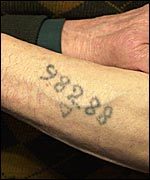
The second story concerns the daughter of another friend. She is an X-ray technician and was preparing to scan the broken wrist of a woman in her late 80’s. The woman was resting her arm under the machine and a faded tattoo of numbers was visible on her forearm. The daughter, a woman in her 20’s, asked the patient where the tattoo came from. The woman looked at her, began to cry, and said, “They killed my children.”  The daughter was completely surprised and confounded at this and at a total loss, simply threw her arms around the lady and began to cry also.

I think these stories are typical and not a problem that needs the care of a counselor. Our memories remain always and they come back when triggered. The two articles in the References seem to confirm this too (Baker, 2001 and Pasternak, 1993).  So, remembering grief is another aspect of life that we see with older patients. It probably occurs during times of life review and is a part of remembrance.

Ending with a somewhat less than happy poem from Emily Brontë named Remembrance.

Cold in the earth — and the deep snow piled above thee,
Far, far removed, cold in the dreary grave!
Have I forgot, my only Love, to love thee,
Severed at last by Time’s all-severing wave?

Now, when alone, do my thoughts no longer hover
Over the mountains, on that northern shore,
Resting their wings where heath and fern leaves cover
Thy noble heart forever, ever more?

Cold in the earth — and fifteen wild Decembers,
From those brown hills, have melted into spring;
Faithful, indeed, is the spirit that remembers
After such years of change and suffering!

Sweet Love of youth, forgive, if I forget thee,
While the world’s tide is bearing me along;
Other desires and other hopes beset me,
Hopes which obscure, but cannot do thee wrong!

No later light has lightened up my heaven,
No second morn has ever shone for me;
All my life’s bliss from thy dear life was given,
All my life’s bliss is in the grave with thee.

But, when the days of golden dreams had perished,
And even Despair was powerless to destroy,
Then did I learn how existence could be cherished,
Strengthened, and fed without the aid of joy.

Then did I check the tears of useless passion —
Weaned my young soul from yearning after thine;
Sternly denied its burning wish to hasten
Down to that tomb already more than mine.

And, even yet, I dare not let it languish,
Dare not indulge in memory’s rapturous pain;
Once drinking deep of that divinest anguish,
How could I seek the empty world again?

References

Baker, JE. Mourning and the transformation of object relationships: Evidence for the persistence of internal attachments. Psychoanalytic Psychology, 2001, 18, 1, 2001, 55-73.

Pasternak, RE et al. The temporal course of depressive symptoms and grief intensity in late-life spousal bereavement. Depression, 1993, 1, 1, 45–49.

Resources

Picture

http://3.bp.blogspot.com/_mg7D3kYysfw/SI4VaZ2NalI/AAAAAAAAHFU/1gX9Cl6nSpE/s1600-h/auschwitz_tattoo.jpg

Poem

http://unix.cc.wmich.edu/~cooneys/poems/bronte.rememberance.html

Funny this column is about rock and roll and when I was thinking about old rockers, my offhand guess was that Jerry Lee Lewis might be about the oldest available. In fact his web site says, “… of all the great musicians who created rock & roll in Memphis Tennessee at Sun Records in the 1950’s, The Killer, Jerry Lee Lewis would be the last man standing” (http://jerryleelewis.com).

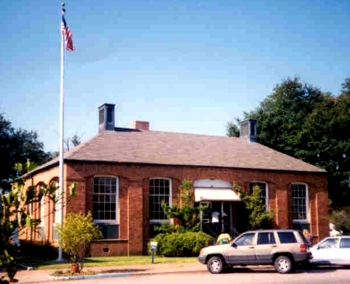
Not trusting the veracity of Killer’s web site, I looked him up. He was born in 1935 in Ferriday, Louisiana. Now I knew that because my wife has family in Ferriday and they were all familiar with the Lewis family. There are no coincidences but my wife’s Ferriday aunt passed away this week at the age of 90. She was a wonderful woman and had lived in Ferriday since the 1940’s. The photo is of the Ferriday post office from about 1995.

The thing about musicians who now are in their 70’s and up is the amazing preservation (in many cases) of their singing voices. PBS does specials with old musical groups (like The Osmonds – 50th Anniversary Reunion and Magic Moments: The Best of 50s Pop) and while the singers were grayer and wider than I recall from my youth, their voices still sounded sweet. Even those guys who sang in falsetto (like in Big Girls Don’t Cry by the Four Seasons) could still hit the high notes after 50 years.

So, I wondered if this was just luck or if singers take an active role in maintaining their voices. The Texas Voice Center (in Houston) offers analysis and therapy to keep the professional singer’s voice up to snuff. “… our bodies change as we age and subsequently, so can our voices. The voice can begin to sound weak, hoarse or even raspy” (http://www.texasvoicecenter.com). This is apparently due to a loss of fatty tissue in the vocal folds and injecting one’s own tummy fat into them can correct the raspiness   (http://www.dukehealth.org/services/voice_care_center/care_guides/voice_surgery_information/operative-procedures/vocal-fold-augmentation-in-the-or).

Finally then I ran across the notion of “The Elder’s Voice” which has nothing to do with singing but seemed relevant never-the-less. Try out this web site for another aspect of raising one’s voice in the latter years – http://www.oureldersvoice.com/oureldersvoice/Home.html


Two views of time in the slammer.

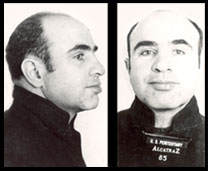
Jail is not a fun time… When notorious mobster Al Capone was in jail, being punished for tax evasion, he spent the last year of his stay in the prison hospital. When he got out in 1939 at the age of 40 his health was gone and his mind soon followed. He died in 1947 from a mixture of neurosyphilis, pneumonia, a stroke, and cardiac arrest. At that time he had the mental faculties of a 12-year-old child (http://en.wikipedia.org/wiki/Al_Capone#cite_note-ch11-28).

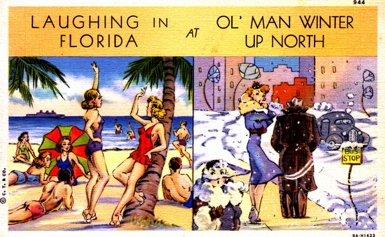
Jail is an alternative… When I lived in Kentucky, street people used to be found hitchhiking along I75 in the Fall heading down to Florida for the Winter. Some of these low budget travelers would get picked up for vagrancy or drinking and spend 30 days or six months in jail. For some of them it was a good time to get hot meals, a decent bunk and some needed health care. Jail was seen as an alternative to the Winter Florida vacation.

Serious jail time causes one to lose the right to vote as well as the right to be out among the public. In the bad old days, jail was a room with few amenities. Often, your relatives had to bring you food, bribe the guards, and if you got sick, too bad. That’s not the case today. The courts have ruled that once someone is in jail they become a ward of the state and the state must feed, cloth and provide medical care. Handy as all that sounds, what’s it like to be old and sick and in jail?

Several recent articles in the press have looked at the difficulties, fiscal and moral, of providing health care for elderly and dying inmates.

“The fastest-growing population in federal and state prisons are those 55 and older, a trend that is forcing cash-strapped local governments to wrestle with the growing cost of caring for the aging inmates” (Jones & Chung).

“One of the problems facing prisons is that many of their health care staff lack expertise in caring for the elderly, according to Linda Redford, director of the geriatric education center at the University of Kansas Medical Center” (NY Daily News).

While the cost of care and the skill levels of staff are two serious issues, another aspect has political and moral implications. What to do with the terminally ill prisoner and the question of “where to die?”

“Many states have adopted early release programs targeted at older inmates who are judged to pose little threat to public safety. However, a 2010 study by the Vera Institute of Justice in New York City found the laws were used infrequently, in part because of political considerations and complex review procedures. Redford said a common problem is finding nursing homes or other assisted-living facilities that will accept released inmates who have no family to live with. ‘Nursing homes don’t want former felons,’ she said. ‘Some states are looking at starting long-term care facilities outside prison that could take care of parolees.” (NY Daily News).

Hospice programs have been developed inside prisons and they make great use of prisoners as volunteer helpers. For the prisoner with no outside family it is curious how this institution of punishment has become home.

“‘For inmates who are terminally ill and have no close family on the outside, it’s probably more humane to let them die in prison if there’s a hospice program available,’ Redford said. ‘The inmates who are volunteering are at those guys’ sides when they die – they’re really committed to making the last days as comfortable as possible. They’re not going to get that on the outside’” (NY Daily News).

“The rising tide of aging prisoners in the United States makes imperative renewed and careful thinking about how to protect the rights of the elderly while in prison, and about how age and infirmity can render continued incarceration a violation of human rights. Wholly apart from human rights considerations, however, states and the federal government should question whether the continued incarceration of those who are well advanced in age and are infirm is a sensible use of limited financial and human resources” (Fellner).

References

Fellner, J. Old Behind Bars: The Aging Prison Population in the United States. Human Rights Watch, Jan. 27, 2012. http://www.hrw.org/node/104747/section/1

Jones, A. Prisons are teeming with the old and sick: Should we let them go? Wall Street Journal, Jan. 27, 2012. http://blogs.wsj.com/law/2012/01/27/our-prisons-are-teeming-with-the-old-and-sick-should-we-let-them-go

Jones, A. & Chung, J. Care for aging inmates puts strain on prisons. Wall Street Journal, Jan 27, 2012. http://online.wsj.com/article/SB10001424052970203363504577185362318111898.html?mod=WSJ_hp_MIDDLENexttoWhatsNewsFifth

New York Daily News. Caring for elderly felons is criminally expensive. Jan. 27, 2012. http://articles.nydailynews.com/2012-01-27/news/30672057_1_elderly-inmates-prison-population-older-inmates

Image

http://upload.wikimedia.org/wikipedia/commons/d/d3/Acaponeh.jpg

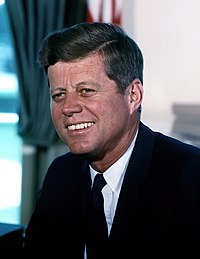
Since this is political primaries time, I somehow got to wondering if our perception of age and “being old” has changed. In 1963, John F. Kennedy was 43 years old when he took office as President and I remember people saying he might not be old enough for the job nor have sufficient experience. Nearly a generation later in 1981, Ronald Reagan turned 70 two weeks after being sworn in as President and Time magazine named him Man of the Year (Time, 1-5-81), but people wondered if he was too old for the job. Even Reagan was sensitive to the concern. “‘I will not make age an issue of this campaign. I am not going to exploit, for political purposes, my opponent’s youth and inexperience,’ Ronald Reagan quipped during the 1984 presidential debates when asked if, at 73, he is too old to be President”

(http://www.time.com/time/specials/packages/article/0,28804,1844704_1844706_1844612,00.html)

Currently, Ron Paul is seeking the republican nomination to run for President. Paul is 76 years old. He is the same age as Reagan, who when into his second term as president was demonstrating minor symptoms of Alzheimer’s disease. However, I do not recall anyone citing age as an issue with Paul’s potential as President. OK, revise that. I just took a look on-line and see quite a few blogs and articles discussing Paul’s age and fitness. However, I see nothing that is unequivocally negative about his capability.

Now there are a lot of categories in “too old.” As in “too old” to drive a car, date a younger person, get a job, keep a job, etc., but in general has the bar for “too old” been raised? I think so and so do others. A nice rave on the subject is by Daniel Gross in Newsweek (Eighty is the New Fifty, June 7, 2008, http://www.thedailybeast.com/newsweek/2008/06/07/eighty-is-the-new-fifty.html).

Image Source

http://upload.wikimedia.org/wikipedia/commons/thumb/c/c3/John_F._Kennedy%2C_White_House_color_photo_portrait.jpg/200px-John_F._Kennedy%2C_White_House_color_photo_portrait.jpg