Coming from a non-clinical background and working around health care providers forces one to learn medical terminology whether one wants to or not.  I am often forced to look up terms, so that I can understand what is going on. This week, I wanted to know what the difference between dementia and Alzheimer’s? A simple question right? Well, not as simple as you might think. Confused

Let’s start with Dementia. Dementia is not a specific disease but a term used to describe a wide range of symptoms associated with a decline in memory or other mental skills (Alzheimer’s Association, 2013; Dementia, 2013). It is not just the usual forgetfulness of walking into a room and forgetting what you went in there for (did that) or not being able to recall what you ate yesterday for dinner (that one too). “Dementia is a symptom of brain dysfunction” and is severe enough to impact one’s ability to perform everyday activities (Alzheimer’s Association, 2013; Morris, 1996). For example, having trouble doing things that take planning, like making a list and going shopping, using or understanding common words, or getting lost in places you know well. These are signs of dementia (WebMD, 2013).

Dementia affects people in different ways and has various stages. Unfortunately there is no single test for dementia. Physicians use multiple strategies to determine the severity including a physical exam, asking questions about recent and past experiences (relying heavily on friends and family to check details). conducting simple memory tests and brain scans. For example, a health care provider may ask a patient to repeat a series of words or draw a clock face. There are over 70 different causes of dementia, including Lewy body disease, Huntington’s disease, infections that can affect the brain (such as HIV/AIDS), and Alzheimer’s (which is the most common cause of dementia for persons over 65) (Alzheimer’s Foundation of America, 2013; Morris, 1996).

Alzheimer’s is a progressive, degenerative disease that attacks the brain’s nerve cells “resulting in loss of memory, thinking, language skills and behavioral changes,” which are also symptoms associated with dementia (Alzheimer’s Foundation of America, 2013). The term “Alzheimer’s” dates back to 1906 after Dr. Alois Alzheimer, a German physician, who presented the first case history of a 51-year-old woman. “A brain autopsy identified plaques and tangles that today characterize Alzheimer’s disease” (Alzheimer’s Foundation of America, 2013). Although clinicians can now diagnose Alzheimer’s with up to 90% accuracy (using methods similar to diagnosing dementia), Alzheimer’s can only be “confirmed” through autopsy, when pathologists look for the characteristic plaques and tangles in brain tissue.  “In the absence of a biological marker for Alzheimer’s… diagnosis remains in the hands of the clinician” (Morris, 1996).

Columnist Rick Nauert (PsychCentral, 2011), says that “misdiagnosis of Alzheimer’s disease and other dementing illnesses appears to be relatively common,” as “diagnosing specific dementias in people who are very old is complex.”  In a study conducted in Honolulu, Hawaii, researchers autopsied 426 residents and found that about half of those diagnosed with Alzheimer’s disease did not have sufficient numbers of brain lesions for that diagnosis and most of those who were not previously diagnosed with Alzheimer’s had sufficient brain lesions to explain the dementia.  After finding this information and reading about the many other complexities surrounding dementia (symptoms) and Alzheimer’s (a disease that can cause dementia), I realized that I was not the only one confused (Gardner, 2011).

My cliff notes explanation, dementia is a syndrome (group of disabling symptoms) that has multiple causes and Alzheimer’s is a disease, that can cause dementia (Dementia.org, 2012).

Guest blogger: Regina Knox, MPH, CHES, Special Projects Coordinator, Texas AHEC East

References

  1. About Alzheimer’s. (2013). Alzheimer’s Foundation of America. Retrieved on March 12, 2013 from http://www.alzfdn.org/AboutAlzheimers/definition.html
  2. Dementia – Topic Overview. (2013). WebMD. Retrieved on March 12, 2013 from http://www.webmd.com/alzheimers/tc/dementia-topic-overview
  3. The Difference Between Alzheimer’s and Dementia. (2012). Dementia.org. Retrieved on March 12, 2013  from http://www.dementia.org/types/the-difference-between-alzheimers-and-dementia
  4. Gardner, A. (2011). Health Magazine. Half of Alzheimer’s Cases Misdiagnosed. Retrieved on March 12, 2013 from http://news.health.com/2011/02/23/alzheimers-misdiagnosis/.
  5. Mark, JC. (1996). Classification of dementia and Alzheimer’s Disease. Acta Neurologica Scandinavica. Supplement 165:41-50.
  6. Nauert, R. (2011). Alzheimer’s, Dementia Often Misdiagnosed. Psych Central. Retrieved on March 12, 2013, from http://psychcentral.com/news/2011/02/25/alzheimers-dementia-often-misdiagnosed/23898.html
  7. What is Dementia? (2013). Alzheimer’s Association. Retrieved on March 12, 2013 from http://www.alz.org/what-is-dementia.asp

Join us for a real-time discussion about questions raised by this essay on Wednesday from 12:00 p.m. to 12:45 p.m. See Discussion and SL tabs above for details. Link to the virtual meeting room: http://tinyurl.com/cjfx9ag.
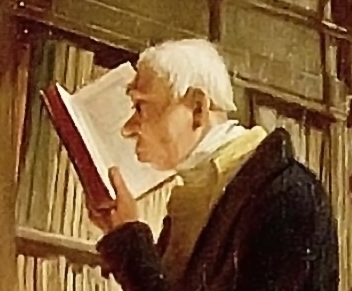

 

I love books.

Detail from "The Bookworm"

Detail from “The Bookworm”

Recently several friends either gave me a book or a reference to one, that has implications for health care from a humanistic or spiritual perspective. I even ran across one on my own. Today’s plan is not to offer reviews or clever insights into the authors but to toss out a question and a challenge. My question is: Who has read any of the books below or one’s with similar intent?

  • Aging as a Spiritual Practice: A Contemplative Guide to Growing Older and Wiser by Lewis Richmond.
  • Medicine As a Human Experience by David E. Reiser & David H. Rosen.
  • Medicine and Compassion: A Tibetan Lama’s Guidance for Caregivers by Chokyi Nyima Rinpoche & David R. Shlim.
  • From Age-ing to Sage-ing: A Profound New Vision of Growing Older by Zalman Schachter-Shalomi & Ronald S. Miller.

The challenge part is: Who would like to submit to me, a review or insight into the book that you have read?  If you submit something I’ll publish it here.

Why am I doing this?

Is it a cheap way to get out a blog when I have writer’s block?

Well, no to the latter. Actually, I want to stimulate into being a greater dialog here, and by getting more of you to participate in the process, it might actually happen. This blog connects to a Facebook page and to a weekly discussion, so there are several options and possibilities for discussion and as more of us become involved the dialog will become richer.

So, take a look at these books and consider how they relate to your profession or your life.

We’ll talk about it.

 Join us for a real-time discussion about questions raised by this essay on Wednesday from 12:00 p.m. to 12:45 p.m. Please note slight revision to starting time. See Discussion and SL tabs above for details. Link to the virtual meeting room: http://tinyurl.com/cjfx9ag.
The Facebook page is at http://www.facebook.com/ETGECC and the weekly discussion is at http://slurl.com/secondlife/UTMB%20Island%20Alpha/143/227/26.

I just had to write about Steve Brill’s article, Bitter Pill, in this week’s Time magazine (Brill, 2013). This long examination of health care billing practices makes many, many telling points, but there are three that are most relevant to me.bitter pill

First. Many other countries in the world provide better health care to their citizens at much lower cost. A short list of countries who do it better for less: Argentina, Australia, Canada, Chile, France, India, Spain, Switzerland.

Second. Solutions to our health care issues are focused around paying for health care and not how it is priced. There is apparently no competition in the American free market when it comes to health care. My laptop computer is a marvel of science and technology and costs one tenth of what something vaguely similar would have cost 40 years ago. Modern health care has advanced also since the 1960’s but it has become vastly more expensive rather than less.

Third. Medicare is amazingly efficient and with its marketing power only pays what it actually costs providers to provide. Everyone whines about Medicare’s levels of reimbursement (See section 4 of Brill’s article on page 43) but a quote from Jonathan Blum says, “Hospitals don’t lose money when they serve Medicare patients” (page 47). I explored the potentials of Medicare as a profit center in Capitalism Abhors a Vacuum (http://wp.me/pH3Dx-9t).

Brill in the end recommends that the American health care system get serious about reducing costs and avoid the government provider systems typical in those example countries above.

I’m less optimistic. I say nationalize the whole lot.

Reference

Brill, Steve. Bitter Pill. Time, 2013, March 4, 181, 8, 16-55.

Image: Could not locate original source.

Join us for a real-time discussion about questions raised by this essay on Wednesday from 12:15 p.m. to 12:45 p.m.  See Discussion and SL tabs above for details. Link to the virtual meeting room: http://tinyurl.com/cjfx9ag.

This is a short primer on long term insurance. To begin, what is it? Basically it’s an insurance policy which covers the often ridiculous prices associated with end of life care. A good policy will cover costs associated with home health care, adult day care, assisted living facilities, and long-term care facilities.

Sure, there is a chance your patients will never need this sort of care. Or that this can’t happen to you. Well, we all know we’re living longer than we were a few generations back. In fact your chances of developing some form of dementia almost double for each five year period after the age of 65 (N. I. H, 2011).

image for long term care blog small 2-21-13I recently attended a community lecture given by local State Farm agent Cary Bohn. He cited an interesting statistic from the 2009 Field Guide from the National Underwriter Company that said the chances of needing long-term care by the age of 65+ is 1 in 2; while the chances that your house will be lost in a fire is 1 in 96!  His rationale was that while the average middle aged American wouldn’t dream of forgoing insuring their home, why go without long-term care insurance? After seeing those statistics I was more inclined to feel the same.



What about Medicaid? Well that’s a tricky subject as qualifying for benefits depends on the state you live in and your personal financial situation. Many people falsely think that Medicaid will cover them if and when they need long term care. Strict income/asset limits must be met by the applicant, meaning that you’ll have to be near insolvent to qualify. There are law practices devoted to essentially bankrupting people so they can qualify!

Other considerations to think about when deciding on, or recommending the possibility of long term care insurance are:

  • How comfortably you think you would want to be while you were receiving daily care?
  • Realizing that that many facilities do not accept Medicare as payment.
  • Or, you or a loved one won’t have a private room at a Medicaid facility either.

On the flip side, there are some serious downsides to purchasing a long term care policy.

For example, you could end up overpaying. For this reason it’s wise to seek at least two different quotes from insurers and weigh the options. Premiums could rise. While it’s true that your premiums will likely be lower if you purchase a policy while you’re in the age bracket of 40-50, insurer’s often raise rates the closer you get to the 70-80 age bracket. Another useful thing to consider is the longevity of the company you’re purchasing from. Check out the financial health of your insurer at www.thestreet.com.

Finally, there is always the possibility of your company giving you a fight when it’s time to use your benefits.  Read all paperwork with a careful eye before signing anything and make sure you’re clear on what and how much your policy covers (Kristof, 2009).

Guest blogger is Andrea Stephens, Texas AHEC East – North Central Region

References

  1. National Institute on Aging, N. I. A., National Institutes of Health, N. I. H., U.S Department of Health and Human Services, H. H. S., & World Health Organization, W. H. O. National Institute on Aging & National Institues of Health, (2011). Global health and aging (11-7737). Retrieved from National Institutes of Health website: http://www.nia.nih.gov/sites/default/files/global
  2. Kristof, K. (2009, 06 17). Long-term care insurance: 4 biggest risks to avoid. CBS: Money watch. Retrieved from http://www.cbsnews.com/8301-505146_162-51312771/long-term-care-insurance-4-biggest-risks-to-avoid/

Join us for a real-time discussion about questions raised by this essay on Wednesday from 12:15 p.m. to 12:45 p.m.  See Discussion and SL tabs above for details. Link to the virtual meeting room: http://tinyurl.com/cjfx9ag.

Stages in Human Development

Stages in Human Development

As I progress through midlife, I’ve begun to slack off on my exercise routine. With all the demands on my schedule, finding time each week to run, do sit-ups, and push around weights seems a lot less important than it did 10 years ago.However, the results of a new study have given me reason to reconsider. A study published last week shows that people who are fit at midlife have a much lower risk of developing Alzheimer’s disease and other forms of dementia later on in life.

The study was conducted by The Cooper Institute of Dallas, in collaboration with UT Southwestern Medical Center and the Cooper Clinic. The 24-year study followed more than 19,000 healthy men and women. The subjects completed a preventive medical exam at the Cooper Clinic when they were on average, 49 years of age.

Using Medicare records, their health was again evaluated 24 years later. After adjusting for age, smoking, diabetes, cholesterol and other health factors, researchers found that compared with those in the lowest 20 percent for fitness in midlife, those in the highest 20 percent had a 36 percent reduced risk of dementia (DeFina, 2013).

“This is a profound study that shows exercise can have long-term effects on more than our physical health,” says Laura DeFina, MD, of The Cooper Institute. “We’ve known that exercise is beneficial to brain health in the short-term. What’s unique about this study is that it demonstrates the long-term, positive effect of fitness on the brain.”

“The exercise we do in middle-age is relevant for not only how long we live, but also how well we live. This data provides insight into the value of lifelong exercise and its protection against dementia in older age,” says Jarett Berry, MD, of UT Southwestern Medical Center and a co-author on the study. “The fear of dementia in later life is real, and the possibility that exercise earlier in life can lower that risk is an important public health message.”

I think I’ll put on my tennis shoes and go hit the gym.

By guest blogger Tom Knight, Center Director, Texas AHEC East – North Central Region

Reference

    DeFina, LF et al. The association between midlife cardiorespiratory fitness levels and later-life dementia: a cohort study. Annals of Internal Medicine, 5 February, 2013.

Image – Could not locate the original source

Join us for a real-time discussion about questions raised by this essay on Wednesday from 12:15 p.m. to 12:45 p.m.  See Discussion and SL tabs above for details. Link to the virtual meeting room: http://tinyurl.com/cjfx9ag.

choosingWhen you choose to buy a new television you do some research, right?

Will it fit in your space? Is it high definition? Do you want/need 3D? Are you willing to pay more for TV-based wireless internet, or would you rather save some money?

What if someone gave you the television that they thought you should have because in their experience it is the best one?

Considering this: some clinicians believe patients should have the same luxury to participate in selecting treatments for their ailments as they have in choosing appliances.

Suppose one of your patients has been diagnosed with Type II Diabetes Mellitus. Perhaps their medication compliance is less than satisfactory or they are newly diagnosed and have yet to be assigned medication. Consider that they may be more likely to comply if they have participated in the medication regimen selection(1).

This is an example of shared-decision making. Google it as there are some shared decision making tools out there.

If you like the way that sounds (the patient being more likely to comply and therefore more likely to have better control of their diabetes), consider it for your own practice.

For example, if you like the “compare” feature on an electronics website for selecting a TV, Medication Choice Cards (2) from the Mayo Clinic list several potential diabetes medications with a matrix of considerations for patients (times per day, typical outcome, weight gain considerations, etc).  A practitioner, rather than just prescribing “the usual,” can engage the patient in deciding on a medication.  It may not be your first choice as a provider, but patients bring different points of view and should be encouraged to choose the TV… er… medicine that’s right for them.  Check it out.

Written by guest blogger Meredith Masel, PhD, MSW. Oliver Center for Patient Safety & Quality Healthcare

References

  1. Weingarten SR, Henning JM, Badamgarav E, et al. Interventions used in disease management programmes for patients with chronic illness-which ones work? Meta-analysis of published reports. BMJ. 2002;325:925.
  2. http://shareddecisions.mayoclinic.org/decision-aids-for-diabetes/diabetes-medication-management

Join us for a real-time discussion about questions raised by this essay on Wednesday from 12:15 p.m. to 12:45 p.m.  See Discussion and SL tabs above for details. Link to the virtual meeting room: http://tinyurl.com/cjfx9ag.

Guest Blogger: Rafael Samper-Ternent, M.D., Fellow Sealy Center on Agingbouncing

For the past century medicine has mostly relied on the biomedical model to deal with diseases and develop ways to prevent or manage them. Recent advances in genetics have added to the notion that molecular changes are the key focus of disease. Research has shown that the biomedical model that focuses mainly on disease falls short of comprehensively understanding aging. A more comprehensive approach that includes not only physical aspects of aging, but also mental and social aspects has been shown to better capture the essence of the aging process.

In recent years, the term resilience has gained attention in the field of aging. Resilience is broadly defined as the ability to bounce back from adversity. All older adults experience adverse events, however, only a portion of older adults have disability, require special assistance or must change their lifestyle significantly after an adverse event. Unfortunately most aging research to date focuses on these negative aspects of aging. Fewer studies have analyzed the positive aspects of aging, including the ability that many older adults have of recovering from adverse events and leading independent, healthy and productive lives.

The MacArthur Studies on Successful Aging where among the first studies to show that absence of disease and disability, good cognitive function and social engagement were key elements associated with aging well. More recently, studies have shown that additional factors such as a positive outlook on life, good social support and healthier lifestyles help older adults recover from adverse events. We are just now understanding that a positive approach to aging where things like recovery, a meaningful aging experience and spirituality, among many others, are as important or maybe more important than traditional outcome measures used in aging research like disability and mortality.

As the population continues to grow older we should consider whether our approach to aging has a positive or negative tone. The more we change our mindset and perceive aging as a another stage in our lives that can be as rewarding, exciting and interesting as any of the other stages, the easier and better our aging process will be and the better we will be able to care for the older adults in our lives. More research is needed to define and operationalize resilience, however, keeping in mind that all adults have the ability to recover can certainly make a difference in how we approach aging.

References

(Bowling & Dieppe, 2005; Bowling, 2007; Engel, 1980; Rowe & Kahn, 1987; Rowe & Kahn, 1998; Rowe & Kahn, 1999b; Rowe & Kahn, 1999a; Windle, Markland, & Woods, 2008; Windle, 2011)

Reference List

  1. Bowling, A. (2007). Aspirations for older age in the 21st century: what is successful aging? International Journal of Aging and Human Development, 64, 263-297.
  2. Bowling, A. & Dieppe, P. (2005). What is successful aging and who should define it? BMJ, 331, 1548-1551.
  3. Engel, G. L. (1980). The clinical application of the biopsychosocial model. American Journal of Psychiatry, 137, 535-544
  4. Rowe, J. W. & Kahn, R. L. (1987). Human Aging – Usual and Successful. Science, 237, 143-149
  5. Rowe, J. W. & Kahn, R. L. (1998). Successful aging. Aging Clinical and Experimental Research, 10, 142-144
  6. Rowe, J. W. & Kahn, R. L. (1999a). Successful Aging. New York: Dell Publishing
  7.  Rowe, J. W. & Kahn, R. L. (1999b). The future of aging. Contemp. Longterm Care, 22, 36-4
  8. Windle, G. (2011). What is Resilience? A review and concept analysis. Reviews in Clinical Gerontology, 21, 152-169.
  9. Windle, G., Markland, D. A., & Woods, R. T. (2008). Examination of a theoretical model of psychological resilience in older age. Aging Ment. Health, 12, 285-292.

Image Link

http://www.stockroach.com/wp-content/uploads/2011/09/bouncing-ball-jpg.jpg

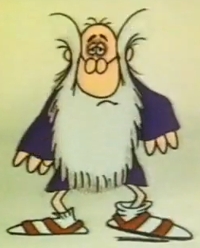
Mel Brook's 2000 Year Old ManToday’s Austin American Statesman has an article on Dustin Hoffman’s new film (Jan 25, 2013, page D1). It’s about a group of retired musicians and how they are facing, dealing, suffering, celebrating the final decades of their lives. The article goes on to mention a possible trend in filmmaking.

The trend is that our most famous actors and directors (Hoffman, Maggie Smith, Spielberg, etc.) are moving into their 70s and are making films about themselves as old people. These films show old people not using the stereotypes of years past (Think Aunt Bee of Mayberry in The Andy Griffith Show from the 1960s) but using a new vision that shows active, intelligent people dealing with interesting and challenging situations. Two films in this new mode are Hoffman’s Quartet and Amour by Michael Haneke.

There have been films in the past that celebrated being old. Think Trip to Bountiful or Driving Miss Daisy. But these films still showed old people as “old and out of the mainstream.” I think it’s possible to create a new vision of how people plan and mindfully live their whole lives. And this vision will be reflected in our popular culture, like films.

These new films will not take youthful themes and insert old people. No geriatric version of Iron Man or Bill and Ted’s Excellent Adventure. Or wizened old philosophers like Yoda in Star Wars: Episode V or the old Kung Fu master in The Karate Kid.

I’m not sure what roles old people will play in these future films. That is so because those of us moving into the seventh decade don’t know who we are either.

Will media shape us? Or will we shape the media?

We remade the 1960s. The future better watch out!

A personal note. I’m getting close to 70 myself (well 68 in May) and have been using this winter to study some new directions in filmmaking and seek a story to fashion into my next film. The current film in distribution, <Impasse>, deals with stagnation and awakening in middle age. The next one will push into elder realms. I’m not asking for ideas, but I am aware that this next film will investigate some exciting aspect of the last of the summer wine.

Films Mentioned

  1. Amour – http://www.imdb.com/title/tt1602620
  2. Andy Griffith Show, The – http://www.imdb.com/title/tt0053479
  3. Bill and Ted’s Excellent Adventure – http://www.imdb.com/title/tt0096928
  4. Driving Miss Daisy – http://www.imdb.com/title/tt0097239
  5. <Impasse> – http://www.imdb.com/title/tt1996148
  6. Iron Man – http://www.imdb.com/title/tt0371746
  7. Karate Kid, The – http://www.imdb.com/title/tt0087538
  8. Last of the Summer Wine – http://www.imdb.com/title/tt0069602
  9. Star Wars: Episode V – http://www.imdb.com/title/tt0080684
  10. Quartet – http://www.imdb.com/title/tt1441951
  11. Trip to Bountiful – http://www.imdb.com/title/tt0090203

Image

Mel Brook’s The 2000 Year Old Manhttp://www.imdb.com/title/tt0388667
Image itself found at http://youtu.be/NO04zWdh8_Y

storytellingAs a child, I often listened to my mother and her sisters talk about living on a farm and going to school. They really did walk through deep snow drifts to reach their one-room schoolhouse. I tried to imagine what it was like to ride in a horse and buggy when they told me that was their transportation. These were things I could only imagine, but stories that enriched my life.

One of the great joys I find in talking with older people is listening to the collection of history that they carry with them. Whether it is a major event or personal anecdote, I find stepping back into the past with someone a good history lesson. The knowledge and experience they possess allow me to experience another time. It’s not always pleasant things or things that I wished I could have lived through (The Great Depression, WW II), but whether positive or negative, these recollections add to my lived experience of the world.

Remembering and sharing memories is not just interesting and enlightening, it can be therapeutic. Researchers have found telling stories and reminiscing in structured settings have positive health benefits such as reducing depression, improving self-esteem and helping older adults deal with life transitions (see reference 1). It may even help individuals with dementia through improved mood, cognition and behavior (see reference 2).

On his web page, Create Your Life Story (http://createyourlifestory.com), Ian Kath says “People wait, people procrastinate, people make excuses but most of all people don’t take the time to really consider the stories in the lives of those around them. It’s only once you start asking, the stories start to come out.”

And not only should we ask for and listen to the stories – we should record them. In this digital age, there are many ways to record stories. One that has caught my attention is StoryCorps (http://storycorps.org), a nonprofit organization whose goal is to record the stories of Americans. StoryCorps has booths set up in select cities year round and also has a mobile recording booth that visits other cities. But for those people not close to those cities, they post guidelines for recording stories and suggest questions for getting the conversations started. Listen to some of the stories online at http://storycorps.org/stories-archive/page/3. UTMB’s Osher Lifelong Learning Institute also offers a Lifestory workshop to guide people in writing and sharing life experiences and memories (http://www.utmb.edu/olli).

Our technology-filled environment has moved many people away from conversation as a method of communication, even though storytelling has been used to communicate history and wisdom for thousands of years. The next time you are with a friend or relative – especially an older one – ask for a story. You both will benefit from the experience.

Guest Blogger: Linda Rounds, Ph.D., R.N., Professor, UTMB School of Nursing

References

  1. Jones, E. (2003). Reminiscence therapy for older women with depression. Journal of Gerontological Nursing, 29(7), 26-33.
  2. Woods, B., Spector, A. Jones, C., Orrell, M. & Davies, S. (2005). Reminiscence therapy for dementia. Cochrane Database Syst Rev. Retrieved from http://www.ncbi.nlm.nih.gov/pubmed/15846613

Join us for a real-time discussion about questions raised by this essay on Wednesday from 12:15 p.m. to 12:45 p.m.  See Discussion and SL tabs above for details. Link to the virtual meeting room: http://tinyurl.com/cjfx9ag.

senior datingDuring the Christmas break we were lucky enough to spend time with extended family. During one of our gatherings we were watching a football game. At a break a commercial came on for a dating website service, “…committed to helping senior men and women find love every day.” The ad showed mature men and women with perfect hair, very few wrinkles, who barely looked 50 talking about dating for those over 50. My mother-in-law, who is in her 60’s and has been single for over 10 years, was watching the ad with me. I turned to her and sheepishly said, “What do you think about something like that?” She looked at me with an inquisitive expression and said, “I don’t know.” I asked her, “Why?” and she said, “I’m not sure that I want to date again at this point in my life.”

Not wanting to push the issue, I dropped the conversation but it triggered some thoughts about seniors and dating.  Forty-five years ago, in 1967, the average life expectancy for males was 67 and for females was 74 (see reference 1).  Fast forward to 2012, life expectancy for males is 83 and for females was 85 and older women outnumber older men at 23.0 million older women to 17.5 million older men. (see references 2 and 3). Further, in 2010, older men were much more likely to be married than older women, 72% of men, 42% of women. Widows accounted for 40% of all older women in 2010. There were over four times as many widows (8.7 million) as widowers (2.1 million).

Given statistics on the imbalance of older men and women, what (if anything) can senior dating services offer older adults? With increased use of the Internet and social websites, senior dating sites can help decrease social isolation by linking older adults with likeminded adults in their communities. They can offer seniors someone to talk to, to do activities with and in general offer some companionship. This is not to say that all senior dating sites are worthwhile but after careful investigation to ensure the reputation of the site, senior dating websites should not be ruled out as ways to meet new people.

Guest Blogger: Amanda W. Scarbrough, Ph.D., East Texas Area Health Education Center

References

  1. “Life Expectancy in the USA 1999-98”. http://demog.berkeley.edu/~andrew/1918/figure2.html. Retrieved on January 11, 2013.
  2. “Life Expectancy” http://www.ssa.gov/planners/lifeexpectancy.htm, Retrieved on January 11, 2013.
  3. “A Profile of Older Americans: 2011”, www.aoa.gov/aoaroot/aging_statistics/Profile/…/2011profile.pdf, Retrieved on January 11, 2013.
  4. Rodger adds a link to a set of ratings for popular senior dating services: http://senior-dating-websites.no1reviews.com

Join us for a real-time discussion about questions raised by this essay at a new time on any Wednesday from 12:15 p.m. to 12:45 p.m.  See Discussion and SL tabs above for details. Link to the virtual meeting room: http://tinyurl.com/cjfx9ag.

The actor Leary Walker played Ronald Walker in "Nobody Listens"

The actor Leary Walker played Ronald Walker in “Nobody Listens”

Keeping multiple medications from having negative interactions is a difficult enough task when a physician keeps track of everything an elderly person may need to take. A real complex set of problems can arise when a patient adds their own choices based on alternative sources and does not keep their care provider informed.

Bressler (2005) discusses two colliding situations. First, elderly patients often have multiple health issues that require multiple medications. Second, the use of alternative/herbal medicines has increased. He says that often patients add herbal medicines to their regimen that create negative interactions with the traditional prescription medications and they don’t tell their physician about it.

A review by Fugh-Berman (2000) discusses many ways in which herbs can interfere with the effects of prescription drugs. Several examples cited by Fugh-Berman are “mild serotonin syndrome in patients who mix the [ever popular] St John’s wort (Hypericum perforatum) with serotonin-reuptake inhibitors.” And “induction of mania in depressed patients who mix antidepressants and Panax ginseng.”

The elderly may be more susceptible to negative drug interactions because there are age-related changes in the body’s drug metabolism. For example, Bressler (2005) mentions that changes in body chemistry can cause “Inhibition of drug-metabolizing enzymes [which] causes increased levels of the parent drug, prolonged drug effects, and increased drug toxicity. Competition for the active site of drug-metabolizing enzymes or by two or more drugs can result in decreased inactivation of one of the drugs and an increase and prolongation of drug effect, i.e., toxicity.”

So, providers need a conscious program to insure patient awareness of the need to keep care providers fully informed of all medication use, including herbs and foods that may not immediately appear to be relevant to the wellness issues at hand.

A useful film to sensitize providers to these issues is “Nobody Listens.” Produced by me and filmed in Florida and Jamaica, it is the story of a cancer patient who comes to the US for treatment and does not tell his providers about his “little herbs and such.” It raises issues of herb/drug interactions and the need for open communication between patients and providers, and offers some insights into cultural differences.

References

  1. Bressler, R. Herb-drug interactions – Interactions between Ginkgo biloba and prescription medications. April 2005, 60, 4, 30-33. http://geriatrics.modernmedicine.com/geriatrics/data/articlestandard/geriatrics/152005/155149/article.pdf
  2. Fugh-Berman, A. Herb-drug interactions. Lancet, 2000, 355, 134-138. http://www.unifra.br/pos/aafarm/downloads/_herb_drugs%20interactions.pdf
  3. Nobody Listens (2009). IMdB entry is at http://www.imdb.com/title/tt1397080 and film may be viewed at http://smithcreekstudios.com/wider_view/ronald_walker.asp

The WordPress.com stats helper monkeys prepared a 2012 annual report for this blog.

Here’s an excerpt:

600 people reached the top of Mt. Everest in 2012. This blog got about 2,100 views in 2012. If every person who reached the top of Mt. Everest viewed this blog, it would have taken 4 years to get that many views.

Click here to see the complete report.

In 1970, Dianne and I saw the Broadway cast performance of the musical “Hair” in San Antonio. One of the songs  had this line “… this is the dawning of the Age of Aquarius…” and on last Friday (12-21-12) it finally dawned. After 40 plus years of waiting the Age of Aquarius has begun and the dreams of a generation are moving into the final act of their time on stage.

I wondered however if we of the Baby Boomer generation are too late for this great age of enlightenment.

A digression: The exact moment of this dawn is open to opinion as the beginning point for this new age has different interpretations. According to Wikipedia, “In Western astrological traditions, precession is measured from the March equinox, one of the two annual points at which the Sun is exactly halfway between its lowest and highest points in the sky. Presently, the Sun’s March equinox position is in the constellation Pisces and is moving back into Aquarius. This signals the end of one astrological age (the Age of Pisces) and the beginning of another (the Age of Aquarius)” (http://en.wikipedia.org/wiki/2012_phenomenon). But since others make its beginning as 1844 or 2600, I figure now is good enough for government work (http://en.wikipedia.org/wiki/Age_of_Aquarius).

So, how do we, the now older generation, use a new age of enlightenment as we move into the time period of final reflections and letting go. Well, the only thing I know is to reflect and discuss. There is actually no answer except what we decide for ourselves. Thus, to aid our processes, people of all ages need to mindfully consider the paths they have trod and where the future road leads.

One way to stimulate this reflection is through movies. Not educational ones (nothing against those) but dramatic films offer more for the heart than movies made for teaching. An old favorite is “On Golden Pond” where the characters reflect on their lives and the inevitable  future when one of the partners dies and leaves the other to finish the trail alone. A new film also exploring the end of the road is “Amour.” Finally, I do recommend one of my films, “Healer,” for the way it considers illness and our time span on this earth.

Since the film “The Hobbit” is just out, we’ll close with a quote from Mr. Bilbo Baggins:

The Road goes ever on and on
Down from the door where it began.
Now far ahead the Road has gone,
And I must follow, if I can,
Pursuing it with eager feet,
Until it joins some larger way
Where many paths and errands meet.
And whither then? I cannot say.

    J.R.R. Tolkien, “The Fellowship of the Ring”

Resources

Image – http://en.wikipedia.org/wiki/File:Milkyway_Swan_Panorama.jpg

Join us for a real-time discussion about questions raised by this essay at a new time on any Wednesday from 12:15 p.m. to 12:45 p.m.  See Discussion and SL tabs above for details. Link to the virtual meeting room: http://tinyurl.com/cjfx9ag.

dollar_signSince today was the mythological “end of the world” day, I was casting about for something positive in the news. On page after page the pickings were slim in these days of rising costs and endless Obamacare debate. I did find one possible chink in the wall on the editorial page of the Austin American Statesman (Wohlgemuth, 2012)


The author was lamenting that the 10% cut in Medicare reimbursement to providers mandated by California’s Medi-Cal program will drive more providers to stop accepting new patients. Already only 57% of California physicians accept new Medi-Cal patients and physicians are saying “if rates are cut any further, they won’t even cover the cost of treatment, and physicians will be treating Medicaid patients at a loss.”

The final point of the editorial was that Texas is facing the need to cut Medicare too, that only one third of Texas physicians now accept new Medicare patients and won’t any further cuts be awful?

Will it be awful? Might it be just what a resourceful health care entrepreneur needs?

Every Medicare patient a physician refuses to treat is money on the table and in the best of capitalism’s strengths, someone will want to pick that money up. What health care practice, or any business for that matter, cannot cut 10% of it’s overhead if the option is to go out of business? Or what entrepreneur could not come up with a new business model to take advantage of this niche market?

There are many ways to deliver appropriate and quality care at lower cost. Hire physicians assistants or nurse practitioners. Make better use of clinical diagnostic skills and do fewer tests. Minimize waste and disposable supplies. Automate accounting and billing. Make efficient use of electronic medical records to avoid duplication and unnecessary lab tests and studies. Pay staff less in terms of salary. Accept less in personal salary. Offer more aggressive, long term preventive care.

Someone said, “There is always a way someone else can do the same for less and at lower quality.” Actually, looking at other markets in our modern industrial world that quote is inaccurate. One can always do better for less.

Remember a final caveat for capitalism: There is no opportunity that will not be taken take up by someone.

Reference

Wohlgemuth, A. California Medicare ruling a cautionary tale for Texas. Austin American Statesman, 12-21-12, A11.

Join us for a real-time discussion about questions raised by this essay on any Wednesday morning at 8:15 to 8:45 a.m. See Discussion and SL tabs above for details. Link to the virtual meeting room: http://tinyurl.com/cjfx9ag.

Guest Blogger:  Tony DiNuzzo, Ph.D., Director, ETGEC-C

Psychologists, such as Dr. Ben Martin, have written extensively on the significant differences between being lonely and being alone.   Obviously, many people considered “alone” live very rich, happy lives.  But what really is “being alone” in this context?  For most it means living alone – no spouse, partner, friend or family member living under the same roof.  What about having a cat or dog or fish – does that take care of it? What if they have many friends outside the home, at work, are active in the community, volunteer, play in a musical band.  They are not alone.  Yet all these souls may suffer from loneliness.  So it is the quality of those relationships that provides a difference between aloneness and loneliness.  Having close relationships translate into feeling less lonely – even if you live alone.

In terms of age, Dr. Martin writes that “contrary to many beliefs, the elderly are not the most lonely among us.”  They seem more comfortable in being alone or with themselves.   They may have a stronger sense of self compared to a younger soul, especially a teenager, who may be worried about being left out, restless and bored if there is not constant contact and stimulus.

Add a dose of depression – caused by feelings of loneliness or not – and there is a genuine risk of something bad happening.  The younger person generally hasn’t developed the skills to understand what to do to combat loneliness compared to seasoned old folks who have accepted their aloneness and fight being lonely through being more active in their community, sewing, playing golf, etc.

There is a part of me that sees this as the glass half full.  However, being a person who is getting older, it is challenging to accept aloneness or loneliness  – that it should be embraced and can be “fixed” with a few wise decisions and being proactive in life.  I have to disagree that the elderly are less likely to be lonely or know how to deal with it simply because they have more life experiences and possibly wisdom than a younger person.

Lonely is lonely and it is not a good thing.  As a society we are supposed to be more connected to the world, our family, friends, and communities.  And I know many who fight tooth and nail to NOT be alone.  I run in circles where “successful aging” is the norm.  Those circles of folks are well educated, open minded, talented, artistic – yes, mostly Democrats – and content in their lives.  And at 70, one of my best friends just started dating a wonderful friend of ours who is in her late ’60s.  He lived “alone” for many years and probably still wants to live “alone” now.  But he also wants a girlfriend!  He is not lonely at all.

Still there is a feeling that this circle of fortunate folks is not the norm.  Older adults who lose loved ones, see their health decline, don’t have financial resources or “talent” to stay active are at greater risk for loneness and the accompanying risks of depression, elder abuse, substance abuse and even suicide.  For some reason society doesn’t really look closely at those who are lonely – like the homeless person we look away from because we just  can’t deal with such sadness or are disgusted by it.

So listen to John Prine’s song, “Hello in There.”

So if you’re walking down the street sometime
And spot some hollow ancient eyes,
Please don’t just pass ’em by and stare
As if you didn’t care, say, “Hello in there, hello.”

References

  1. Martin, B. (2006). Being Alone Without Being Lonely. Psych Central. Retrieved on December 14, 2012, from http://psychcentral.com/lib/2006/being-alone-without-being-lonely
  2. Prine, J. (1971). Hello In There. John Prine (album). Atlantic Records. www.youtube.com/watch?v=RfwGkplB_sY

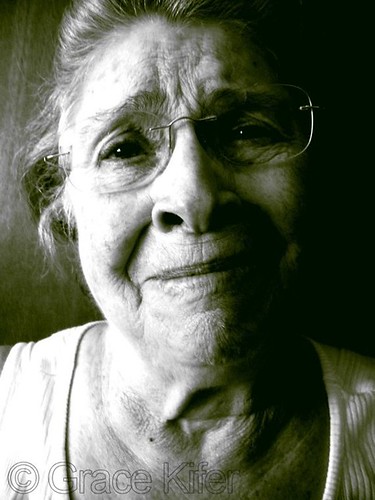
Image Credit

Grace Kiefer. Linked from http://farm1.static.flickr.com/158/369350933_de56f0cc75.jpg?v=0

Join us for a real-time discussion about questions raised by this essay on any Wednesday morning at 8:15 to 8:45 a.m. See Discussion and SL tabs above for details. Link to the virtual meeting room: http://tinyurl.com/cjfx9ag.

Guest blogger: Regina J Knox, MPH, CHES

Caregivers of older adults know that it is normal to experience every emotion imaginable all in the same day. Intrigue, as you listen to life experiences; joy, as you share laughable moments full of humor and wit; empathy, for memories of a love lost long ago… and fear. Yes, fear! The fear that comes from having to assist a resident with “personal matters.”  Let’s face it, no one likes the thought of changing another person’s “unmentionables” after they are over the age of about two.

As a new nursing assistant, I learned how to assist residents with Activities of Daily Living (ADLs) such as bathing, shaving and getting dressed. These are the things most people consider to be extremely personal and intimate. One of the more difficult tasks entrusted to nursing assistants involves caring for patients who suffer from incontinence. Before taking the nursing assistant course, I really had no idea what incontinence was or how many people are affected by it. Incontinence is the inability to control urine or bowel elimination. It impacts approximately 25 million adults of all ages, with a majority of them women (NAFC, 2012).

Although the prevalence of incontinence increases with age, contrary to popular belief, it is not a normal stage of aging (NAFC, 2012). This knowledge gap and misconceptions about incontinence and aging can be found in the most unlikely places. For example, in a study conducted in four skilled nursing facilities, half of the staff believed that bladder disorders were a normal part of aging (Ehlam, 2002). The National Association for Continence (NAFC) states that incontinence is a symptom, “not a disease in itself” and can be treated.  However the treatments available (behavioral, pharmacological and surgical) may not be appropriate when more severe health conditions exist, especially for older patients. Older adults who are incontinent are more at risk for urinary tract infections, skin problems and social isolation.

Despite the anxiety felt by nursing assistants, personal care is a routine part of their job. In the study previously referenced, researchers found that providing continuing education about incontinence helped change the attitudes of staff. They were more likely to be diligent in carrying out a plan of care related to urinary incontinence (Ehlam, 2012). Comparable studies show similar results, proving that knowledge and attitude are often translated into practice. As a public health educator, this validates the importance of health literacy programs for healthcare providers as well as the general public to dismiss negative myths about the aging process. Doing so will help improve the treatment and care of older adults, including those with incontinence. Maybe one day we can learn to discard those feelings of fear and anxiety that we tend to associate with aging.

References

  1. Ehlam, K., Wilson, A., Dugger, R.. et al. (2012). Nursing Home Staff Members’ Attitudes and Knowledge about Urinary Incontinence: The Impact of Technology and Training. Urologic Nursing., 32, 4, 205-213.
  2. Urinary Incontinence.  (2011). National Institute on Aging. Health and Aging. Retrieved from http://www.nia.nih.gov/health/publication/urinary-incontinence
  3. What is incontinence? (2012).National Association for Continence. Retrieved from http://www.nafc.org/bladder-bowel-health/what-is-incontinence

Image Source: http://renuamedical.com/sites/default/files/incontinence-l1.png

Regina is Special Projects Coordinator, Texas AHEC East, University of Texas Medical Branch, Regina.knox@txaheceast.org

Join us for a real-time discussion about  questions raised by this essay on any Wednesday morning at 8:15 to 8:45 a.m.  See Discussion and SL tabs above for details. Link to the virtual meeting room: http://tinyurl.com/cjfx9ag.

Acupuncture

Acupuncture

Guest Blogger: Bronia Michejenko, RN, MSN, GNP, BC

I have a small cabin on Toledo Bend  in East Texas.  Australian Pete, a gnarly 88 year old, lives two cabins down from me with three old dogs.  Australian Pete has lived in the US for over 60 years but still has his Australian accent.  He works as a helper for home construction projects.  I stopped by over Thanksgiving and he told me that there are times when he is “all stoved up.” He has seen his health care provider and has not found much relief for his chronic aches and pains.  He is looking at alternative therapies.

Millions of older Americans suffer from pain that is chronic, severe, and not easily managed. Pain from arthritis, back problems, other musculoskeletal conditions.  Many are turning to complimentary or alternative medicine (CAM) therapies. A recent survey showed that  40 percent of Americans age 18 or older reported using some form of complementary health practice and people age 50 or older were among the most likely to report use. Rigorous, well-designed clinical trials for many CAM therapies are often lacking; and the safety and effectiveness are uncertain. The National Center for Complimentary and alternative Medicine (NCCAM) is sponsoring research designed to fill this knowledge gap by building a scientific evidence base about CAM therapies – whether they are safe and whether they work for the conditions for which people use them.

Safety should be considered by patients before using complementary health products and practices. Our elderly patients should be encouraged to discuss the use of CAM with their health care provider to determine safety and effectiveness and to  choose carefully when selecting a CAM provider

The National Center for Complementary and Alternative Medicine published a guide using scientific evidence to help clarify what may be effective and what has been shown to have no effect on chronic pain.  I have included two common conditions from the chart in the table below.

In general, there is not enough scientific evidence to prove that any complementary health practices are effective for rheumatoid arthritis, and there are safety concerns about some practices.

Scientific Evidence on Complementary Health
Practices
for Pain

Some Evidence of Potential Benefit

Limited,
Conflicting, or
No Evidence of
Benefit

To Treat Low-Back Pain

Acupuncture


Massage


Spinal Manipulation


Progressive Relaxation


Yoga


To Treat Arthritis

Acupuncture


Glucosamine/Chondroitin


Gamma Linolenic Acid (GLA)


Herbal Remedies


Tai Chi


For further information visit the NCCAM Web site at   http://nccam.nih.gov/health/providers/digest/chronicpain.htm

For the complete chart from above see http://nccam.nih.gov/health/providers/digest/pain/science/chart

References:

  1. Lee M., Shin B, Ernst. E. Acupuncture for rheumatoid arthritis: a systematic review. Rheumatology. 2008, Dec, 47, 12, 1747-53.
  2. White P, Bishop F, Prescott P, Scott C, Little P, Lewith G. Practice practitioner or placebo? A  multifactorial mixed methods randomized controlled trial of acupuncture.  Pain. 2012, Feb, 153, 2, 455-62.
  3. Morone N, Greco C, Rollman B, Moore C, Lane B, Morrow L, Glynn N, Delaney J, Albert S, Weiner D. The design and methods of the aging successfully with pain study.  Contemp Clin Trials. 2012, Mar, 33, 2, 417-25.

Join us for a real-time discussion about  questions raised by this essay on any Wednesday morning at 8:15 to 8:45 a.m.  See Discussion and SL tabs above for details. Link to the virtual meeting room: http://tinyurl.com/cjfx9ag.

Last night I saw a TV ad for an immunization, sold by Merck, that folks over 60 can take to reduce the odds of developing Shingles (http://vimeo.com/39234180 and Span, 2012). I had not heard Shingles mentioned since my aunt developed it back in the 1970’s. The ad said that 1 in 3 persons might develop Shingles and that the odds increase as we age.  Welcome to the “Golden Years.”

Since I had not come across Shingles as a topic of conversation, let alone actual consideration, in almost forever, I wondered about the accuracy of those odds and did a little checking.

However, before proceeding here is a quick primer on Shingles, the disease.

“After you have chickenpox, the virus that caused it, called varicella, [or the vaccination taken to prevent it] remains in your body. It’s always inside you, lying dormant in your nerve cells. At some point later in life, your immune system may weaken, allowing the virus to resurface as Shingles… There is no cure for Shingles. The Shingles rash usually lasts up to 30 days… Shingles can sometimes lead to serious complications. About 1 in 5 people [who demonstrate the disease] end up with postherpetic neuralgia, or PHN. This is long-term nerve pain that may develop after the Shingles rash heals, and it can last for months, or even years.” (http://shinglesinfo.com). Finally, topical steroids and oral antihistamines can help reduce the itching and there are antiviral medications that may help if administered within 72 hours of onset of symptoms.

Since like 99.5% of us who are currently over 40 have had chicken pox or were vaccinated for it, shingles is hovering in wait for our immune systems to change due some random event. A couple of  studies give insight to the incidence rate. Yawn (2007) found an adjusted rate of 3.6 per 1000 person-years in a sample of adults with higher rates among people older than 50 years. The CDC says that, “The incidence among people 60 years of age and older is about 10 cases per 1,000 U.S. population annually. Brett (2007) interprets these sorts of findings to mean that a 70 year old person has about a 10% chance of developing Shingles over the next decade.

The recently approved vaccine for the prevention of reactivation of varicella-zoster virus (VZV) appears to reduce “the incidence of shingles by 51 percent and the incidence of PHN by 66 percent…”  (NFID) A recent clinical trial (Schmader, 2012), showed reduction of almost 70%. All is not totally rosy as Arroyo (2012) raises the specter of introducing yet another virus to ones system that may activate in some clever new fashion down the way. However, if this new expression takes 30 or 40 years to activate, one need not be too concerned unless life expectancy increase rapidly as well.

References

  1. Arroyo, JC. Unsettled Issues of Zostavax Vaccine. Clin Infect Dis., 2012, 55, 6, 889-890. First published online June 13, 2012. http://cid.oxfordjournals.org/content/55/6/889.1.short#
  2. Brett, AS. What Is the Incidence of Shingles? Published in Journal Watch General Medicine, November 15, 2007. http://general-medicine.jwatch.org/cgi/content/full/2007/1115/1
  3. Centers for Disease Control and Prevention (CDC). Shingles (Herpes Zoster) Clinical Overview. http://www.cdc.gov/shingles/hcp/clinical-overview.html
  4. National Foundation for Infectious Diseases (NFID). Shingles Information for Health professionals. http://www.nfid.org/idinfo/shingles/Information-for-Health-Professionals
  5. Oxman MN et al for the Shingles Prevention Study Group. A vaccine to prevent herpes zoster and postherpetic neuralgia in older adults. N Engl J Med, 2005, 352, 2271-2284.
  6. Schmader, KE et al. Efficacy, safety, and tolerability of Herpes Zoster Vaccine in persons aged 50–59 years. Clin Infect Dis., 2012, 54, 7, 922-928.
  7. Span, P. The Shingles Vaccine Returns. The New York Times, 5-15-2012. http://newoldage.blogs.nytimes.com/2012/05/15/the-shingles-vaccine-returns
  8.  US Food and Drug Administration. Zostavax™ questions and answers. Available at http://www.fda.gov/BiologicsBloodVaccines/Vaccines/QuestionsaboutVaccines/UCM070418.

Image Source

Detail from a photo at shinglesinfo.com. http://www.shinglesinfo.com/shinglesinfo/shingles-in-depth/shingles-pictures.jsp?WT.mc_id=ZX09M&WT.srch=1

Last September I mentioned my elderly cat Gus (Remnants of the Day, 9-15-12, http://wp.me/pH3Dx-7y). At that time he was loosing weight and maybe had arthritis. I want to return to and finish his story today.

My cat Gus

Thirteen years ago, when Dianne and I adopted Gus from the Homeless Pet League we had to sign a paper promising never to let him be an outdoor cat. If we adopted him, he had to be an indoor kitty. We held to that promise, but Gus never agreed with our decision. He was always trying to get out. He wanted to be an outside cat.

Gus was the best cat. Friendly and welcoming to our guests. He always wanted to be where we were. Hanging about as a shadow. Happy to live with us. Happy for thirteen years, until recently…

Gus continued to loose weight and motor control. The arthritis medicine had no apparent benefit. He became incontinent and wandered around lost. We were convinced he’d either had a stroke or had developed dementia. To save the carpets and keep him from endless wandering, he was living in the guest bathroom. Finally, this week we took him to the vet for a consultation.

The vet said that his body was just about used up and that there was nothing he could do anymore. It was time to help Gus to go. Dianne and I held Gus as the vet found a little vein in his skinny arm and administered a chemical to stop the heart. In about 20 seconds he ever so softly and quietly slipped away.

I found a spot near our creek, on a little rise, in a small grove of trees. Gus is buried there in a deep, rocky place safe from digging predators. He can watch the sun rise each morning over the hills and catch the mist rising from the creek on foggy days. He’s an outside cat now.

The absolutely most scary thing in all the world is becoming unable to care for yourself and ending up in a nursing home to fritter away your last days in the dayroom watching TV. And as a fitting irony this “final option” costs a fortune and will drain your life savings quicker than you can say, “poor old thing.”  The only bright spot to this scenario is maybe you will be a happy Alzheimer’s case and not care a fig. Just hope your children can rise to the task of managing your last days.

Kelly Green (2012) has some excellent advice on how to plan for your time of growing dependence “on the kindness of strangers.” But it’s that sort of advanced planning that falls in with buying a cemetery plot or clearing out the junk in the attic. Few people actually do it until one must, and then even though it’s a nerve racking crisis, no one learns from the experience.

My parents had an awful time with twelve years of both being limited to wheelchairs and a full-time staff of three caregivers. They remained in their home and, while my Dad had a brief nursing home stay, they both died at home. So it was probably as good as it was going to be but it was still awful.

Now, my wife and I are a little better prepared for our decline but it’s still not something that is part of the flow of our lives.

The end of life is an anomaly and a product of our culture. We have lost the extended family that took care of everyone all the time. When one was born there was an old person in the house dying. We lived in a process that supported us throughout life. We have lost that and are replacing the once extended family with various sorts of institutions that meet specific needs.

Now the old model of everyone living and working in one place and providing support at all stages of development was not a model of choice but one of necessity. There were no outside institutions nor funding sources to pay for them. Everyone did what they had to do.

Still there is a lot to say about a communal life as opposed to an institutional one.

Join us for a real-time discussion about  questions raised by this essay on any Wednesday morning at 8:15 to 8:45 a.m.  See Discussion and SL tabs above for details. Link to the virtual meeting room: http://tinyurl.com/cjfx9ag.

For Further Reading:

  1. Greene, K. The Cost of Living Longer. Wall Street Journal, Family Finances, 10-26-2012, http://online.wsj.com/article/SB10001424052970203937004578079184108523030.html.
  2. Niederhaus, SG & Graham, JL. Together Again: A Creative Guide to Successful Multigenerational Living. M. Evans (Rowman & Littefield Publishing), Lanham, Maryland, 2007, http://www.togetheragainbook.com/

Sources:

  1. Image from the Vibrant Nation website – http://www.vibrantnation.com/wp-content/uploads/family5.jpg
  2. The title comes from A Streetcar Named Desire by Tennessee Williams http://www.imdb.com/title/tt0044081/quotes?qt=qt0215723