Entropy is one of my favorite words.

La Catrina

“Entropy is a thermodynamic property that is the measure of a system’s thermal energy per unit temperature that is unavailable for doing useful work. Perhaps the most familiar manifestation of entropy is that, following the laws of thermodynamics, entropy of a closed system always increases and in heat transfer situations, heat energy is transferred from higher temperature components to lower temperature components. In thermally isolated systems, entropy runs in one direction only (it is not a reversible process).” (http://en.wikipedia.org/wiki/Entropy)

If one considers the universe as a closed system, then the heat of the stars is being dissipated into the vast void of space. Since space is actually mostly empty, in time all the heat from the stars will be absorbed and the universe will reach a zero capacity to do work. At that point, the universe will be dead.

Now after that moment of zero work capacity, gravity may begin to pull things together and in time all matter could be drawn into one big black hole and the whole Big Bang thing will happen again. That’s too far off to consider here.

My point is that everything dies.

And as a corollary to that, I think we need to celebrate all aspects of existence, both living and dying.

November first was officially the Dia de los Muertos (Day of the Dead). This is a national holiday in Mexico when families remember, pray for and celebrate relatives and friends who have died. It has roots in the Aztec culture and is also celebrated in other countries. Similar celebrations appear in some Asian and African cultures.

A few weeks ago, I wrote about the fear of death (I Don’t Really Want to Go, http://wp.me/pH3Dx-8k). I think we need to teach the span of life and to celebrate every moment of life. It’s easy when you are young as the initial flowering of life is joy incarnate. And if the young grow up with the old they have the opportunity to develop a more complex appreciation for the whole process. It is the integration of people at all stages of life that lets us set the stage for that continuous celebration of human existence.

—————————

Join us for a real-time discussion about  questions raised by this essay on any Wednesday morning at 8:15 to 8:45 a.m.  See Discussion and SL tabs above for details. Link to the virtual meeting room: http://tinyurl.com/cjfx9ag.

References

  1. Day of the Dead entry in Wikipedia: http://en.wikipedia.org/wiki/Day_of_the_Dead
  2. Miller, C. Indigenous people wouldn’t let “Day of the Dead” die. The Arizona Republic, no date, http://www.azcentral.com/ent/dead/articles/dead-history.html

For Further Exploration

The Smithsonian Institution’s Latino Center in Second Life has a Day of the Dead celebration with in-world events scheduled from October 31st through November 2nd.
Web site: http://latino.si.edu/education/LVMDayoftheDeadFestival.htm
SLURL to location in Second Life: http://slurl.com/secondlife/Smithsonian%20Latino%20Music/69/162/24

Image

Title: La Catrina
Licensing: http://en.wikipedia.org/wiki/File:Catrinas_2.jpg
Source: http://upload.wikimedia.org/wikipedia/commons/thumb/7/7c/Catrinas_2.jpg/160px-Catrinas_2.jpg
Back in the 1970’s, I worked with a training program where we took students into rural Appalachian communities in Kentucky to observe and analyze the health care systems found in small towns. In those towns where there was a physician’s office or clinic the service model was the most basic. There were no appointments because a lot of people did not have phones or lived lives such that keeping appointments was impossible. Patients just showed up and waited for the doctor. And since he was the only one around, there might be 100 patients a day and they all waited for their five to ten minutes with the doctor. People waited all day because they had no where else to go.

Nowadays even in rural areas, there are more physicians, everyone has a phone, and appointments are taken, but usually one still waits… 20 minutes, 30 minutes, 45 minutes for that 10 minutes with a physician.

The PBS Newshour had a segment this week on a large clinic that, among other efficiencies, has worked to eliminate the waiting room (Bowser, 2012). This came about when the clinic staff was visiting the Toyota Automobile Company in Japan to learn about efficiency in production systems.

Modern manufacturing uses the just-in-time model for production. The idea is to always be moving towards completion and never waiting. Employees show up at appointed times and the materials they need to work show up at the same moment. Everything is orchestrated into a dance that maximizes efficiency.

One of Toyota’s efficiency guys pointed out that long waiting times were a sign of inefficiency, waste of resources and, in addition, disrespectful towards the patient. The clinic staff actually reported feeling ashamed to admit how long they routinely kept people waiting for scheduled appointments. They went back and redesigned their patient flow procedures to eliminate waiting and eliminate waiting rooms as well.

Health care is a complicated activity. There are many reasons why people seek health care and health care issues can be difficult to resolve. However, as the US spends 2.5 times more than anybody else on health care there must be efficiencies somewhere in the process (Kane, 2012). Eliminating waiting is certainly a positive step.

References

  1. Bowser, BA. Should Hospitals Eliminate Waiting Rooms? PBS Newshour – Health, 10-25-2012 (http://www.pbs.org/newshour/rundown/2012/10/should-hospitals-get-rid-of-waiting-rooms.html).
  2. Kane, J. Health Costs: How the U.S. Compares With Other Countries. PBS Newshour – Health, 10-22-2012 (http://www.pbs.org/newshour/rundown/2012/10/health-costs-how-the-us-compares-with-other-countries.html).

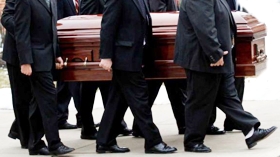
I was a pallbearer at a funeral today. I’ve never had that role in a funeral before and it was interesting. There were four of us (supposed to be six!) and the task consisted of rolling and carrying the coffin from the church to the cemetery. It was a couple of hundred yards, part of it uphill on a gravel road with the last 100 feet or so carrying it. It was easier to carry the coffin than to pull it up that gravel road. The effort, willingly given, was also a source of reflection.

My pondering brought up a long-standing personal meditation on the circle of life. This time on the last part of that circuit – death.

As a general thing, I usually assume people are afraid to die.

This quote is attributed to the comedian Jerry Seinfeld, “According to most studies, people’s number one fear is public speaking. Number two is death. Death is number two. Does that sound right? This means to the average person, if you go to a funeral, you’re better off in the casket than doing the eulogy.”

The only actual number I could find for “afraid of dying” was in a survey of apparently Christian, church attendees, aged 50+ that found 20% were afraid of death and 73% believed in some form of afterlife. Fear of death was highest among people who believed in hell as one of the afterlife options (Barrick, 2007).

Well then, it seems that fear of death is not too prevalent, but all of us know someone who had a hard time letting go of a loved one who was dying. My Dad did not want to see my Mother slip away. It was so very hard on him.

Yet, death is inescapable. Allowing for a few exceptions in history (Jesus, Mohammed, Buddha) everyone who has lived on Earth will die here.

Why is death not an emotionally integrated process in the American way of life?

One person who has helped in this area is Marge Jenkins. “One group of people that I saw are people who were dying, from the ages of nine to 90,” says Jenkins. “They didn’t know anything about how to prepare for life’s ending. I decided that I needed to help these people.” Jenkins offers workshops and a book with advice on how to plan for one’s death (Jenkins, 2008).

A final thought. There is advice on helping the dying person to process and cope with impending death and we often talk about comforting the dying. What if the dying took special care to encourage and comfort those they are leaving behind?

Join us for a real-time discussion about  questions raised by this essay on any Wednesday morning at 8:15 to 8:45 a.m.  See Discussion and SL tabs above for details. Link to the virtual meeting room: http://tinyurl.com/cjfx9ag.

References

  1. Barrick, A. Survey: How 50+ Americans View Afterlife. IRC, 2007 (http://www.icrsurvey.com/Study.aspx?f=AARP_080707.htm).
  2. Jenkins, M. You Only Die Once. Perfect Publisher, 2008 (http://www.margiejenkins.com & http://www.amazon.com/You-Only-Die-Once-Preparing/dp/0929488776).
  3. Moeller, P. The Best Life: Living Well Should Include Planning for Death. U.S. News: Money, May 25, 2011. (http://money.usnews.com/money/blogs/the-best-life/2011/05/25/living-well-should-include-planning-for-death)
  4. Sienfeld quote found at http://thinkexist.com/quotation/according_to_most_studies-people-s_number_one/9010.html

Guest Blogger: Tony DiNuzzo, Ph.D., Director, ETGEC-C

Recently, I was reading an article from a small newspaper in Ohio, The News-Herald celebrating 40 years since the forming of the Lake County Council on Aging (Bonchak, 2012). The Council, based on a former non-profit organization, was formed based on an official charter issued by the State of Ohio. The article described in clear detail what has been accomplished in these 40 years to track and address the needs of the area’s senior citizens. The ultimate goal was always to improve their quality of life. I was very impressed with, not just the longevity of such a council, but their commitment to the community’s older residents. They addressed the need to establish the first senior centers in several towns within the county, expanded the Meals on Wheels program, formed a caregivers support group, and a medical equipment and supply program for seniors, just to name a few accomplishments.

And of course it got me thinking about what do or do not do for the seniors in Galveston County, particularly those in the city of Galveston, still reeling from the devastating effects of hurricane Ike from four years ago. For example, the city has yet to repair or replace the Multipurpose Senior Center, and the ugly, much publicized debate about public housing and how do we provide adequate housing for our local older citizens if we do not seem to value them. Do we have any idea of the true needs of the senior citizens of Galveston? Do we know how they feel about their lives, their health, transportation, and nutrition needs, effects of crime, lingering effects from hurricane Ike, housing needs, and the very real threat of isolation, as well as, fostering any positive aspects related to their quality of life?

Almost 20 years ago, the UTMB Sealy Center on Aging conducted a needs assessment survey of a random sample of Galveston County residents, 75 years of age or older. We found extremely interesting and helpful information on attitudes and needs for hurricane evacuation and the extremely negative effects of crime where 75% did not feel safe leaving their homes after dark. More than 50% were unable to walk five blocks. There were huge transportation limitations, lack of adequate social support, and inability to cook or go shopping. On a positive side, we found over 70% considered their lives to be adequately active and involved in their community. We developed a report of this data and used it to help guide county officials in utilizing available funds to address these issues. It is unknown just how much of an impact this project had, but it opened my eyes to some of the very real needs of our older seniors.

It is time to begin thinking about a follow-up survey or some means to connect with the senior citizens of Galveston County. I do not believe we have strong evidence of the needs, attitudes and conditions which are affecting their quality of life. A lot could have changed in 20 years since the last survey. What do you think we’ll find out?

Reference

Bonchak, J. Lake County Council on Aging celebrates 40 years. News-Herald, 10-11-12 (http://www.news-herald.com/articles/2012/10/11/news/nh6084718.txt).

By Guest Blogger Amanda Scarbrough

My parents recently completed a remodel of their master bedroom and bathroom. When it was done, they asked us over to come see it.  When I took the tour, I noticed some interesting features that had not been there in the original layout of the house.  I noticed that they installed a grab bar by the toilet and took out the tub and added a walk in shower.

Like many seniors, or those on the verge of being seniors, my parents want to stay in their home as long as possible.1  My parents, while not yet needing adaptive devices, are taking measures to update their home to their projected needs. They are attempting to do what is referred to as aging-in-place. Aging-in-place is a term used to describe a senior living in the residence of their choice as they age, while being able to have services or other support they might need over time as their needs change, for as long as they are able.

One of the most important features of aging-in-place is to keep in mind that the goal for a senior (or anyone) who wants to age in place should be to maintain and/or improve their quality of life, not just to keep them in their home. Further, to successfully age-in-place requires early development of a good plan that focuses on quality of life. This plan should encompass a strategy for the management of the individual, the home, finances and care. Additionally, the plan should be created as early as possible and should be updated over time as the senior’s situation changes.2

Aging-in-place is not for everyone. But, for those who think aging-in-place is a viable alternative the Internet is a fantastic resource on how to prepare. I did a quick search and found that the National Aging on Place Council (NAIPC and National Association of Home Builders (NAHB) have several resources to help seniors age in place in their home. NAIPC’s website3 has resources from finding service providers to practical advice on aging-in-place while NAHB’s website4 has several resources for remodeling your home for aging.

Whatever is decided, whether aging-in-place or relocating as an individual ages, I think it is important to remember that the goal is to maintain and/or improve one’s quality of life wherever home may be.

———————————————-

Amanda W. Scarbrough, PhD, MHSA is the manager for Operational Planning and Projects for the Texas AHEC East. Contact her at amanda.scarbrough@utmb.edu

Join us for a real-time discussion about  questions raised by this essay on any Wednesday morning at 8:15 to 8:45 a.m.  See Discussion and SL tabs above for details. Link to the virtual meeting room: http://tinyurl.com/cjfx9ag.

References

  1. Sabia, Joseph J. (2008). There’s No Place Like Home A Hazard Model Analysis of Aging in Place Among Older Homeowners in the PSID. Research on Aging , 30(1), 3-35.
  2. Age in Place. (2012). Retrieved from http://ageinplace.com/aging-in-place-basics/what-is-aging-in-place
  3. National Aging on Place Council (NAIPC) – http://www.ageinplace.org
  4. National Association of Home Builders (NAHB) – http://www.nahb.org/generic.aspx?sectionID=717&genericContentID=8484

Image

Rocks in the roots of a cypress tree along the Blanco River. Photograph by Marvin Niebuhr, ©2010.


There are little toy people that have no feet. Their bottom is a weighted ball. Their motto is, “Weebles wobble but they don’t fall down.” I was thinking about how handy that capability would be as we age and discover our balance is less sure and that on occasion we do fall down.2,3
I want to talk about the effects of yoga on balance but first I ran across a curiosity at the Urban Dictionary. It seems that “weeble” is a noun and is a term of endearment for someone who is struggling emotionally, but still functional. 4 So when someone is feeling sad, you might comfort them by saying, “Poor weeble.”

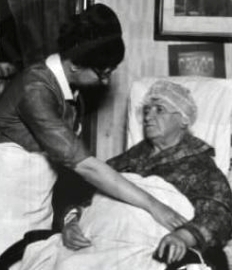
I find an immediate connection here between the word, weeble, and the notion of aging and its attendant possible limitations. As we notice changes in balance, strength, motivation, happiness, etc. we do struggle emotionally. Aging can be accompanied by a sense of loss and loss can open the door to feeling sad. I sometimes think aging gracefully is a combination of physical and emotional factors. One needs to be mindful about both the body and the mind. The weeble then might be struggling but he does not fall down. I like that.

Back to yoga.

Many claims are made for the benefits of yoga. As a beginning, a recent review article 5 found that yoga was as good as exercise (any old sort I presume) for physical and emotional health. That’s not too compelling but a limited trial 6 did show yoga practice to make people feel more positive. And a larger study 7 reached these conclusions, “The yoga intervention produced improvements in physical measures (eg, timed 1-legged standing, forward flexibility) as well as a number of quality-of-life measures related to sense of well-being and energy and fatigue compared to controls.”

In my little town, an instructor offers yoga classes for $2 a session at the community center and about 70 people (mostly older) show up. I’ve spoken with some of the participants and they find it helps them to avoid falls by being more flexible and to feel better. Science not withstanding, yoga can make for happier weebles.

References

  1. Playskool, Airfix and Hasbro Weebles discussed at http://www.weebles-wobble.com (Image used comes from this site)
  2. Lord, SR, Clark, RD & Webster, IW. Physiological factors associated with falls in an elderly population. Journal of the American Geriatrics Society, 1991, 39(12), 1194-1200.
  3. Tinetti, ME, Speechley, M & Ginter, SF. Risk factors for falls among elderly persons living in the community. N Engl J Med, 1988, 319, 1701-1707
  4. Urban Dictionary is found at http://www.urbandictionary.com/define.php?term=weeble
  5. Ross, A & Thomas, S. The Health Benefits of Yoga and Exercise: A Review of Comparison Studies. Journal of Alternative and Complementary Medicine, January 2010, 16(1), 3-12.
  6. Lakshmi Narasimhan, L, Nagarathna, R & Nagendra, HR. Effect of integrated yogic practices on positive and negative emotions in healthy adults. International Journal of Yoga, 2011 Jan-Jun, 4(1), 13–19.
  7. Oken, BS et al. Randomized, controlled, six-month trial of yoga in healthy seniors: effects on cognition and quality of life. Alternative Therapies in Health and Medicine, 2006, 12(1), 40–47.

Guest Blogger: Regina J Knox, MPH. Special Projects Coordinator, Texas AHEC East (rjknox@utmb.edu)

Caring for the Elderly in 1890

As a public health worker, I recently decided to take a nursing assistant course as a professional development activity. I thought that the class would provide me with some of the skills that I currently lacked, i.e. basic medical terminology, taking vital signs and experience working in a clinical setting. On the first day of class, I listened intently as my instructor explained the role of nursing assistants. Memories that I have unconsciously associated with “growing old” slowly began to playback in my mind. I remember not wanting to kiss my great-grandmother on the cheek as child because her skin was “too mushy.”

I recall escorting a group of cub scouts on a trip to a local nursing home and participating in social hour where they proceeded to bombard the residents with questions like “can I ride in your wheel chair?”

I also remember telling my mother that if it came to sending her or my father to a nursing home, my father would be out of luck. “I would never send you to an old folks home, Mom,” I quipped. Of course, I have since learned to refer to these places as “long term care facilities.”

I had no idea of the challenges that went into being a caregiver on a daily basis. As my instructor, Mrs. Nelson, frequently reminds us, nursing assistants are the “eyes and ears” of long term care facilities. Nursing assistants provide up to 90% of the direct care of residents and make up the largest group of health care workers in skilled nursing facilities.1

I expected to learn how to take vital signs like blood pressure and temperature. What I did not anticipate was learning the multiple steps required to make a bed in a way that reduces the risk of developing bed sores or how to safely transport an elderly patient from a wheelchair to bed. Nor was I prepared to hear how diseases like dementia or Alzheimer’s can diminish a loved one’s mental capacity while others render them to a state where they are unable to perform basis daily functions like bathing, eating and toileting.

I suddenly reconsidered my vow never to send my mother to a long-term care facility and asked myself “Am I really prepared to care for my mother and all that comes with it when the time comes?” Maybe not now, but the information and skills that I am learning in the nursing assistant class will ensure that I am.

As baby boomers like my mother prepare for retirement, their adult children should be asking similar questions. Community colleges, vocational and technical schools and some hospitals offer short nursing assistant courses which can be completed in as little as two weeks.2

If you have doubts about whether you are prepared or capable of caring for your parents or other elderly family members, you can start preparing now by gathering information, learning the skills and finding out what resources are available to ensure that you are well prepared.

Join us for a real-time discussion about  questions raised by this essay on Wednesday, September 26 , 8:15 to 8:45 a.m.  See Discussion and SL tabs above for details. Link to the virtual meeting room: http://tinyurl.com/cjfx9ag.

References

  1. Ehlman, K; Wilson, A; Dugger, R; Eggleston, Coudret & Mathis, S. (2012). Nursing Home Staff Members’ Attitudes and Knowledge about Urinary Incontinence: The Impact of Technology and Training.
  2. How to become a Nursing Aide, Orderly, or Attendant. Occupational Outlook Handbook. Retrieved from http://www.bls.gov/ooh/healthcare/nursing-assistants.htm#tab-4 on September 20, 2012.

Image

Image on web page at http://www.elderweb.com/book/export/html/2816
Image source: National Library of Medicine: History of Medicine: National League for Nursing Archives, 1894-1952.

My cat Gus

It’s been raining. The morning air is cool and the sky is overcast. Chickens are clucking and scratching for bugs that the rain has driven from their lairs. And I’m pondering the span of our lives and how to balance feeling happy and feeling sad.

I have an elderly cat. He’s about 13 years old and while he is losing weight rapidly the vet can diagnose no particular problem. I’m convinced he has gone senile and has arthritis. Well, an elderly kitty has to die from something and I figure he’s on his way towards his transition to where ever cats go in the afterlife.

For the last three weeks, I have focused on the film Tony and I made about elderly people who live in East Texas. We made that film six years ago and I do not doubt that one or two of our interview subjects have made their transitions too. These transitions might have been described by Obi-Wan Kenobi as “Disturbances in the force.” We each feel and describe the process differently, but regardless all people make their presences felt as they flow through life.

I’d like each reader to take half an hour and re-watch one of the segments of the film. Here is the link to all three segments – http://smithcreekstudios.com/wider_view/lives_lived.asp

As you watch one segment, ponder this question – If this person has made his/her transition since this film was made, what is my response?

We will discuss what you thought about at the Weekly Discussion on Aging. It will be held on Wednesday, September 19, from 8:15 a.m. until 8:45 a.m.  See the Discussion and SL tabs above for details. Link to the discussion location in Second Life – http://tinyurl.com/cjfx9ag

Part 3 focuses on Lois Dyes. She was 93 at the time of this interview and was the oldest person we interviewed. She tells a wonderful story and it all centers on the little town of Melrose, Texas.

Lois Dyes and her home-grown tomato

In addition to her story, I was intrigued by the little town too. It is a dying town. All the stores are closed. Only the two churches (with tiny congregations) and a catfish restaurant are still open. The Dyes family owns the restaurant. Mrs. Dyes taught at the school in Melrose and its closed also.

Small towns struggle in the U.S. Many small, rural towns seem to exist on a delicate balance. Just a few stores run by aging owners, no jobs with a career, and maybe a post office. For these little towns just one change in the local equation could cause a major economic shift.

For example, Keen (2008) discusses how some small towns actually do not have electricity and depend on generators for electric power. Rising prices for diesel fuel could drive people out of business. She give an example of a general store in rural California where the refrigerators, freezers, lights and ice machines are powered by diesel generators. The store owner says, “I’m scared to death of rising fuel prices.”

Another example. The U.S.P.S. proposed to close thousands of post offices, most in small, rural communities where Internet services are limited and people depend on the post office (Podkul & Stephenson, 2012).

People fear that the loss of their local post office would cause the whole town to go (Vogel, 2011).

The town of Gabbs, Nevada is shrinking like Melrose. Vogel’s article says, “The town looks like a place where time stopped in the 1950s. Three-fourths of Gabbs’ residents are older than 60. It’s a place where many people are living on Social Security and food stamps. They depend on the Postal Service to deliver not only their mail, but also life-saving medications. Almost everyone moves away after high school because there are no jobs. If the U.S. Postal Service closes the post office in this 300-person community, they will face 80-mile rides to Fallon or 60-mile trips to Hawthorne to transact business.”

One resident of Gabbs said of losing the post office, “It will kill the town.”

Well, the U.S.P.S. has backed off on closing these small post offices (Liberto, 2012). Communities will have a choice of closing them, having shorter hours or having them privatized and run as “village post offices.” Still, the point remains that small, rural towns are hanging by a thread and their aging residents are running short on options.


————————————-

References

  1. Keen, J. High gas prices threaten to shut down rural towns. USA Today, July 2, 2008 (http://www.usatoday.com/news/nation/2008-07-01-small-town-gas_N.htm).
  2. Liberto, J. Ax won’t fall on rural post offices. NNMoney, May 9, 2012 (http://money.cnn.com/2012/05/09/news/economy/postal_service/index.htm?hpt=hp_t2).
  3. Podkul, C & Stephenson, E. Towns go dark with post office closings. Reuters, Feb 24, 2012 (http://www.reuters.com/article/2012/02/14/us-usa-usps-idUSTRE81D0M620120214).
  4. Vogel, E. Residents say closing post office would kill small Nevada town. Las Vegas Review-Journal, Oct. 24, 2011 (http://www.lvrj.com/news/residents-say-closing-post-office-would-kill-small-nevada-town-132424078.html).

Join us for a discussion about part 3 of Lives Lived in East Texas on Wednesday, September 12 , 8:15 to 8:45 a.m. Note change in time. Link to the meeting room: http://tinyurl.com/cjfx9ag. Also, see Discussion and SL tabs above for details.

Part 2 focuses on Mae Settler. Her story has many fascinating aspects but one point has always stuck in my mind. She tells us how she is from a large family with many brothers and sisters. She is in her early 70’s and most of her brothers and sisters have already died. This loss of family, so early it seems to me, has just stuck in my mind as a sad state of affairs.

The 20 minute Part 2 is embeded below. It will play on your computer or if you are using an iPhone get the WordPress app for a very convenient mobile experience including viewing the film on your phone.

Mrs. Mae Settler

That African Americans have shorter life expectancies than their white or Asian counterparts is common knowledge and while these gaps are smaller now they are still meaningful (Mestel, 2012).An extensive study of mortality and life expectancy between 1933-1999 came to these conclusions (Levine, 2001), “There has been no sustained decrease in black-white inequalities in age-adjusted mortality or life expectancy at birth at the national level since 1945. Without fundamental changes, most probably related to the ways medical and public health practitioners are trained, evaluated, and compensated for prevention-related activities, as well as further research on translating the findings of prevention studies into clinical practice, it is likely that simply reducing disparities in access to care and/or medical treatment will be insufficient. Millions of premature deaths will continue to occur among African Americans.”

The almost stereotyped threats to long life among African Americans, violence and HIV (plus cancer), seem to have reduced life expectancy significantly in the 1980’s and 1990’s (Kochanek, 1994). But the effect of these influences appears to have lessened in the 21st century.

A more recent study (Harper, 2007) looking at the years 1983-2003 reinforces this conclusion, “After widening during the late 1980s, the black-white life expectancy gap has declined because of relative mortality improvements in homicide, HIV, unintentional injuries, and, among females, heart disease. Further narrowing of the gap will require concerted efforts in public health and health care to address the major causes of the remaining gap from cardiovascular diseases, homicide, HIV, and infant mortality.”

Still there are significant differences in disease rates and access to health care. Mestel (2012) says that Blacks have higher rates of obesity, diabetes and hypertension and that these chronic issues lead to a number of life threatening complications. She also states that Blacks are less likely to have health insurance or to participate in effective prevention activities.

——————————-

References

  1. Harper, S et al. Trends in the black-white life expectancy gap in the United States, 1983-2003. JAMA, 2007 Mar 21, 297(11), 1224-32 (http://www.ncbi.nlm.nih.gov/pubmed/17369405).
  2. Kochanek, KD, Maurer, JD & Rosenberg, HM. Why did black life expectancy decline from 1984 through 1989 in the United States? Am J Public Health, 1994 Jun, 84(6), 938-44 (http://www.ncbi.nlm.nih.gov/pubmed/8203690).
  3. Levine, RS et al. Black-white inequalities in mortality and life expectancy, 1933-1999: implications for healthy people 2010. Public Health Rep., 2001 Sep-Oct, 116(5), 474-83 (http://www.ncbi.nlm.nih.gov/pubmed/12042611).
  4. Mestel, R. Life expectancy gap narrows between blacks, whites. Los Angeles Times, June 5, 2012 (http://articles.latimes.com/2012/jun/05/science/la-sci-life-expectancy-gap-20120606)

(Join us for a discussion about part 2 of Lives Lived in East Texas on Wednesday, September 5, 8:15 to 8:45 a.m. Note change in time. Link to the meeting room: http://tinyurl.com/cjfx9ag. Also, see Discussion and SL tabs above for details)

The stars of Part 1 – Lucy & L. D. Keen

Six years ago, Tony DiNuzzo and I sojourned into East Texas to interview people who had lived all of their long lives in those piney woods. Helped by kindly AHEC staff members who arranged the interviews and guided us from place to place, we interviewed a married couple and two widows. We ended up with three stories, all different, all fascinating.

For the next three weeks, I’m going to feature one of the stories and we will base Wednesday’s discussion on that film.  The segments are each approximately 20 minutes long and viewed directly in this window. Part 1 is below.

Across all three parts the people interviewed were:

  1. Mr. L. D. and Mrs. Lucy Keen
  2. Mrs. Mae Settler
  3. Mrs. Lois Dyes

The interviews were arranged by:

  1. Carlene Wilson and Shelly Milner at East Texas Health Access Network
  2. Kinny Parker at Piney Woods Area Health Education Center
  3. Deborah Flaniken at East Texas Area Health Education Center and Kathy Strong, Nacogdoches Treatment Center

(Join us for a discussion about part 1 of Lives Lived in East Texas on Wednesday, August 29, 7:30 to 8:00 a.m. Link to the meeting room: http://tinyurl.com/cjfx9ag.  Also, see Discussion and SL tabs above for details)

If you keep on doing the same thing and nothing changes what does that say?

In 1959, the US Surgeon General identified a shortage of medically trained personnel (http://www.pahx.org/period01.html). Today over half a century later that condition apparently has not changed (AAMC, 2011). “For too long, our nation has suffered from a shortage of primary care health professionals. The Association of American Medical Colleges estimated that the nation would have a shortage of approximately 21,000 primary care physicians in 2015” (HHS, no date).

“Beginning in the 1960s, physician supply increased dramatically following the passage of the Kerr-Mills Act of 1960, which financed medical care for the elderly and the poor. These programs evolved shortly into Medicare and Medicaid, producing greater demand for doctors and federal subsidies for graduate medical education. This led the AMA to declare a physician “shortages” in the 1960s and to call for increasing physician supply. That trend continues today, as evidenced by a recent major report [Dill & Salsberg, 2008] from the Association of American Medical Colleges calling for a 30 percent increase in enrollment, citing an increasing disparity between physician demand and supply” (De Alessi & Pam, 2011).

The National Health Service Corps (NHSC), founded by the Emergency Health Personnel Act of 1970 by public law 91-623, was created to “improve the delivery of health services to persons living in communities and areas of the United States where health personnel and services are inadequate” and the Health Professional Shortage Area (HPSA) designation process was established in 1978 with an eye towards developing programs to encourage health care providers to work in designated shortage areas (APA, no date).

There are efforts being funded by Federal grants to train more health care workers at the aide/assistant/technician levels. One of many Federal projects can be seen in grants made under the American Recovery and Reinvestment Act of 2009 (DOL, 2010). The Department of Labor funded over fifty projects at between $2M and $5M each to train health care workers in mainly regions with known provider shortages. Also, the Affordable Care Act is investing $250M in training efforts for primary care providers (HHS, 2010)

The Federal government has been supporting the expansion of health provider training since the late 1960’s. What has been the effect of this effort?

There are many possible criteria but for now let’s just take quality of care.  Docteur & Berenson (2009) compared US care outcomes with an a limited international sample. They concluded that the quality of care in the US is lower in many ways than other developed countries.

Numbers don’t lead to quality.

We still think we have a shortage of providers.

Nothing seems to change.

Can we do something different?

(Join us for a discussion on this blog on Wednesday, 7:30 to 8:00 a.m. Link to the meeting room: http://tinyurl.com/cjfx9ag.  Also, see Discussion and SL tabs above for details)

References

  1. American Psychological Association (APA). History of Education GRO Initiatives on Federal Community Health Centers & National Health Service Corps. No date. (http://www.apa.org/about/gr/issues/nhsc/history.aspx).
  2. Association of American Medical Colleges (AAMC) Center for Workforce Studies. Recent Studies and Reports on Physician Shortages in the US. August 2011.(https://www.aamc.org/download/100598/data/recentworkforcestudiesnov09.pdf).
  3. De Alessi, M & Pam, R. Health Care in the Rural West: Persistent Problems, Glimmers of Hope. Stanford University Bill Lane Center for the American West, Rural West Initiative. 2011. Stanford University. (http://www.stanford.edu/group/ruralwest/cgi-bin/drupal/content/rural-health-care#_ftn25).
  4. Dill, M & Salsberg, E. The Complexities of Physician Supply and Demand: Projections Through 2025.  American Association of Medical Colleges Center for Workforce Studies, November 2008.
  5. Docteur, E & Berenson, RA. How Does the Quality of U.S. Health Care Compare Internationally? Robert Wood Johnson Foundation Urban Institute. August 2009.  (http://www.rwjf.org/files/research/qualityquickstrikeaug2009.pdf)
  6. US Department of Labor (DOL) Employment and Training Administration. American Recovery and Reinvestment Act of 2009: Healthcare and Other High Growth Emerging Industries Grants. 2010. (http://www.doleta.gov/factsheet/ARRA_Health_and_Other.pdf)
  7. US Department of Health and Human Services (HHS). Fact Sheet: Creating Jobs and Increasing the Number of Primary Care Providers. No date. (htttp://www.healthreform.gov/newsroom/primarycareworkforce.html)

by guest blogger Tony DiNuzzo, Ph.D., Director, ETGEC-C

I found the perfect article to wrap my blog around.  And then, in true fashion, I lost it.  I originally found it on my Safari iPhone and “e-mailed” it to myself.  It said “article sent.”  I felt satisfied.  So confident that I didn’t check if I actually received it.  So I sat down ready to use it as a reference and it wasn’t there!  I checked everywhere – in the inbox, the spam box, even in my “History.”  Did I send it to my AOL address or G-mail?  Did it simply vanish or is it still floating in cyber space?

By now you might be ready to say “enough of this” and move to another, more enlightening piece of literature. Well, I think you should stick around because it was about baby boomers. You know, that generation of post-World War II who I guess somehow wanted to make sure there would be enough people left in the world if there ever was another world war. So from 1946 to 1964, more than 76 million babies were born in the U.S.

And in 2011, the very first boomers turned 65 – think about for a second and the impact on social security (Reuteman, 2010), the home health care challenge, the shortage of good funeral homes and cemeteries to deal with the numbers who will need them, 41% do not have a will, etc. They have been called “The Greedy Boomers” and “The Gloomiest Generation.”  They are not to be trusted and that they simply suck!

Now, about that article I couldn’t find.  I did read it. It was a review of a book with great sounding chapters like “I am old now so I can be a racist” and “Ok, I don’t have a life. So what?” and my favorite “If I’m not entitled, then who is?” With age comes a feeling of “What the heck. I’m old, what can they do to me?”

I remember an old Jerry Seinfeld clip of him talking about being old in Florida.  “Ever see an old person back out of a driveway?  Most people are careful backing out, honk the horn and drive slowly.  Not the old folks.  They’re saying ‘Hey, I’m old and I’m coming through, so get out the way!’”

So is there a feeling of entitlement among Boomers?  What are the important questions and issues? Is there a way of sifting through mountains of information on how to succeed as you age?  How to stay healthy, wealthy and wise?  If you don’t have an “estate” do you really need an estate plan?  Are we ready to move retirement up to 70? When do I have my “end-of-life” discussion with my doctor or make those final arrangements?

Yes.  I am very confused about this aging, baby boomer thing?  And I am in the field of Geriatrics!  I should know all there is to know.  And yet, all I do know is I have fewer and fewer good answers since I’m not sure what the questions are.

But in an article by Rev. Amy Ziettlow, an affiliate scholar at the Institute for American Values in New York … and a strong hospice care advocate, asks the most basic question that needs to be addressed: “Baby boomers will live longer and in greater numbers than ever seen before with few youngsters to support them financially and physically.  What and who will ensure that the Baby Boomers have space and time to age gracefully? “

Anyone have any ideas?

(Join us for a discussion on this blog on Wednesday, 7:30 to 8:00 a.m. Link to the meeting room: http://tinyurl.com/cjfx9ag. Also, see Discussion and SL tabs above for details)

References

  1. Ziettlow, A. How Will the Baby Boomers Age and Die? Blog published at KevinMD: http://www.kevinmd.com/blog/2012/01/baby-boomers-age-die.html
  2. Reuteman, R. Will Baby Boomers Bankrupt Social Security? Blog published at CNBC on 2-8-2010: http://www.cnbc.com/id/34941334/Will_Baby_Boomers_Bankrupt_Social_Security

Since the Weekly Discussion on Aging begins next week with this blog as its subject matter, I though the examination of computer use by the elderly might be a good beginning topic. See the Discussion tab above for more details.

I dug into my past for a memory of elder computer use and into the web for some more general findings.

Reminiscence

When my Dad was 80 years old he had a stroke. It left him in a wheelchair with limited speech and almost no use of his right hand. This happened in 1990 and he died 13 years later at 93.

Because of his loss of mobility and limited speech he became increasingly isolated. As the availability of the Internet grew, it appeared possible that email might allow my Dad to stay better connected with friends.

I discovered that his stroke had caused some cogitative problems as well and he could not learn to use my laptop. The interface was too complicated. My dad was an innovative mechanical engineer and always grasped and used the latest technology. To see him lose the ability to understand a tool and its use engendered a feeling of deep sadness in me. I cry inside remembering it.

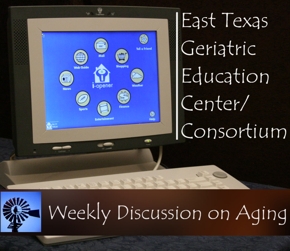
In 1999, I discovered an Internet appliance called the i-opener (see picture of it above).

The i-opener was a specialized computer that offered up email and downloaded news, weather, entertainment, sports and provided limited on-line shopping (http://en.wikipedia.org/wiki/I-Opener). The company stopped making this product fairly quickly but I got him one of the first ones. He was able to navigate the simple interface and the i-opener, with it’s automated operation, worked quite well for several years.

Dad liked to read the news each morning and emails. The i-opener was a dial-up device and it downloaded the news and emails during the night. He was not good at replying to emails as typing with his left hand was difficult. Eventually the i-opener was no longer supported and my father lost further functionality and the i-opener was retired from use. But for awhile it was a useful tool and served it’s purpose.

Virtual Worlds

Now, lets look at the use of the virtual worlds by older people.

There are a number of virtual worlds available. Second Life® (http://secondlife.com) and IMVU® (http://www.imvu.com) appear to be the largest virtual worlds and but many others exist ranging from tiny to huge. OpenSim (http://opensimulator.org/wiki/Grid_List) is a open source collaborative that supports people who develop virtual worlds.

Second Life, as the virtual world we will use for the weekly discussion, provides software and access for free and allows users to create almost anything imaginable. The average monthly use has remained stable since 2010 at around one million users logging in each month (Linden Lab, 2011).  These users live and move among a land area, composed of a mainland and islands, of about half a million acres. UTMB has an island that is about 16 acres in size. Thus, we will meet in a small corner of a very large place.

In 2007, about 12% of Second Life users were over 45 years old (Pascu, 2008). In 2008, it had increased to 21% (Borst, 2009) and more recent data could not be found. In addition, I found very few articles that connected the elderly with virtual worlds.

Siriaraya & Ang (2010) interviewed nine participants in the IMVU® virtual world who were between 55 and 65 years old. They concluded that these participants found the virtual world useful and enjoyable. Most had chosen to virtual world due to some loss of mobility in the real world and the virtual world offered freedom of movement and access to a large pool of potential contacts.

Another article by Sawyerr & Pinkwart (2011) did not examine elder participation in virtual worlds but describes some design aspects for a virtual world designed for seniors. This hypothetical world would have a simplified interface and be designed for users with limited cogitative and/or motor skills.

Link to Picture: http://upload.wikimedia.org/wikipedia/commons/a/a7/2008-04-25_Netpliance_i-Opener_main_menu.jpg

References

  1. Borst, T. Know Your Customers: Second Life Demographics. Blog posted April 30, 2009 at http://xdfusion.wordpress.com/2009/04/30/know-your-customers-second-life-demographics.
  2. Linden Lab. The Second Life Economy in Q3 2011. Posted at http://community.secondlife.com/t5/Featured-News/The-Second-Life-Economy-in-Q3-2011/ba-p/1166705
  3. Pascu, C. An Empirical Analysis of the Creation, Use and Adoption of Social Computing Applications. European Commission, Joint Research Centre, Institute for Prospective Technological Studies, 2008 (http://ftp.jrc.es/EURdoc/JRC46431.pdf).
  4. Sawyerr, WA & Pinkwart, N. Designing a 3D Virtual World for Providing Social Support for the Elderly. Unpublished manuscript, 2011. Posted at http://hcis.in.tu-clausthal.de/pubs/2011/ecscw/designing_a_3d_virtual_world_for_providing_social_support_for_the_elderly.pdf
  5. Siriaraya, P & Ang CS. Elderly users in Virtual worlds. Unpublished manuscript, 2010. Posted at http://worlds.ruc.dk/public_uploads/2011/02/Panote.pdf

Guest Blogger: Bronia Michejenko RN, MSN, GNP, BC

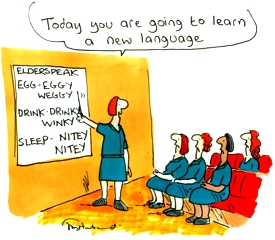
Elderspeak is not something that is commonly taught in the healthcare professional’s curricula.  Therefore, many of us are not aware that we are using it or of the negative consequences of this stereotypical behavior.

Elderspeak  is a form of baby talk frequently used by health care workers. It is a patronizing and demeaning  form of address that tends to irritate older people.

Some examples:

  • The doctor who talks to the senior’s adult child rather than to them about their health.
  • Talking down to or ignoring an elder’s ability to speak and understand for herself.
  • The healthcare worker commanding a person to do something as if speaking to a child, such as “why don’t we go to bed (this type of language assumes dependency and is demeaning.
  • Using “dear, honey or sweetie” when addressing a senior.

Elderspeak  appears to be a speech pattern based on stereotypes not actual behavior because we frequently hear it used in situations where older adults are clearly functioning well such as in banks and restaurants.    Researchers in the field of Gerontology have documented that elderspeak can diminish an older person’s confidence in his or her abilities and can be damaging to an older person’s self-esteem and self-perception (O’Connor and Rigsby 1996).    A study by  Herman (2009)   showed that patients in nursing homes with dementia tend to be  more resistive to care with when elderspeak is used.

Elderspeak is subtle and can easily creep into conversations without your knowing it. You can increase your awareness of this behavior.  Be aware of how you are coming across to an elder. Avoid stereotyping. Refer to an elder by full name, or ask him what he prefers to be called. Avoid plural pronouns, which assume an elder cannot perform a function alone. Do not assume shortened sentences, slow or loud speech, or simplified language is necessary in order to communicate.  Avoid using “honey” or “dearie” as this keeps the conversation respectful

There are many positive ways to talk to our elders.   Using a rich and varied vocabulary makes any conversation more interesting .

References

  1. Kemper, S., Ferrell, P., Harden, T., Finter-Urczyk, A., and Billington, C. (1998). Use of elderspeak by young and older adults to impaired and unimpaired listeners. Aging, Neuropsychology, and Cognition, 5, 43-55.
  2. O’Connor, B.P., and Rigby, H. (1996). Perceptions of baby talk, frequency of receiving baby talk, and self-esteem among community and nursing home residents. Psychology and Aging, 11, 147-154.
  3. Williams, K., Herman, R., Gajewski, B., & Wilson, K. (2009). Elderspeak communication: Impact on dementia care. American Journal of Alzheimer’s Disease & Other Dementias, 24, 11-20.

Image – http://www.livestrong.com/article/14629-guarding-against-elderspeak/#ixzz211OBYNdC

Life is sometimes just plain interesting.

Last night my neighbor, who is one of those ubiquitous Texas singer/songwriters, and his band were playing at Wimberley’s single source of nightlife. It was the launch of their new album of original songs. Neither my wife nor sons were able to attend but I wanted to be there to support my friend. My friend’s 80 plus year old mother was also there.

Dancing to All Ages

And that was the interesting part. That bar held at least four generations, from the people dancing on the dance floor, to the band members, to my friend’s mother we spanned at least 60 years.

We worry about the isolation of the elders due to reduced mobility (Gusmano & Rodwin, 2006) and the isolation of the millennials due to excessive emersion in digital media (Shotick & Stephens, 2005), but last night we came together, had fun and conversation, all without planned government intervention* or the intercession of social science professionals**.

This is not to say that isolation and loneliness are not issues of aging as they are serious problems for many elders. It is to say that there are natural ways people interact and those natural connections have no age barriers.

I bet that if each of us reached out to all ages at all times then many issues of aging would be minimized.

Notes

* As an example, see the US Environmental Protection Agency Aging Initiative Intergenerational Activities web site (http://www.epa.gov/aging/ia).

** As an example, see the Intergenerational Activities Sourcebook from Penn State’s College of Agricultural Sciences (http://pubs.cas.psu.edu/freepubs/pdfs/agrs91.pdf). This is a good source for ideas to get kids and elders playing together.

References

  1. Borges, NJ. Comparing Millennial and Generation X Medical Students at One Medical School. Academic Medicine,  June 2006, 81, 6, 571-576 (http://journals.lww.com/academicmedicine/Abstract/2006/06000/Comparing_Millennial_and_Generation_X_Medical.15.aspx).
  2. Eubanks, S. Millennials – Themes in Current Literature. Originally prepared for Azusa Pacific University, April 24, 2006 and revised for general release 8/06 (http://eubie.com/themes.pdf).
  3. Gusmano, MK & Rodwin, VG. The Elderly and Social Isolation. Testimony to Committee on Aging, NYC Council February 13, 2006 (http://wagner.nyu.edu/faculty/testimony/rodwinNycCouncil021106.pdf).
  4. Shotick, J & Stephens, P. Do Students Use Technology Wisely? From NASPA’s NetResults, December 21, 2005 (http://www.fresnostate.edu/studentaffairs/programs/studentactivities/documents/Technology%5b1%5d.pdf.).

Image

Excerpt from http://media.photobucket.com/image/dancing%20cowgirls/msparrie/dancing/CountryLineDance.gif?o=15

Guest Blogger: Tony DiNuzzo, Ph.D., Director, ETGEC-C

“Anyone in the last half of life can attest to the difficulties, the aching joints, the fading eyesight. What is open to interpretation is the meaning of these changes. What if they are understood as a form of preparation (not unlike adolescence) for a new life as an elder of the community? The physical decline that comes with aging actually cements the relationship between old and young.”  —– William Thomas

When I read this article by William Thomas, “What is Old Age For?’ I immediately went back to 1980 and my move to Galveston.  In addition to the miracle of landing a job after graduate school, I was also asked, through friends, to house sit for someone who was going to live in Mexico.  It was an 1857 carriage house next to the Sealy Hutchings Mansion – complete with a turret, 2-foot limestone walls and character in every inch.

Though I didn’t know it at the time, I had landed in a dream home.  And then there were the estate’s gardeners – three ancient Black men, all in their 70’s, throw backs to a much earlier time, each with their own unique way of dealing with the world.  I would venture downstairs to where they hung out, and I would listen… and learn.
John, the self-appointed boss – big, burly with the all-day unlit cigar and cap, spewing out lines of wisdom like it was cotton candy. He’d say, “Tony, I don’t know, I’m just not pullin’ the cart today,” as he would moan and groan about having to maybe rake some leaves.

As Richard, with the toothless, eternal grin, would roll his eyes at poor John’s fate of having to “work.” Richard was actually the worker, but like Tom Sawyer, John had a way of making it seem he really did most of the work and was why the grounds always looked so good.  Richard would just chuckle at John, shake his head, and move off to get the leaves done.

And then there was Maurice.  He was really a master gardener – the only one of the three who actually knew anything about gardening.  He maintained, not just the most incredible rose garden you ever saw, but a huge number of orchids in the large greenhouse that sat next to the carriage house.

I ended up staying there for 4 years and finally left to get married and move to the concrete jungles of South Houston.  Still I was working in Galveston and would stop by to see my gardener friends and life teachers whenever I could.

Over time, one by one, they would not be there, as I would find out Richard passed away and Maurice just left when it stopped being fun.  With a family of two little ones, we decided to move back to Galveston, bought an old Galveston house built in 1875, and renovated it to hopefully make it a proud member of the other stately ones on the block.  But I never, ever forgot the life shaping moments of the carriage house and my three old life mentors.  Around 1994, while reading the paper, I saw John’s picture in the obituaries.  Funny not seeing him with a 5-day old cigar and cap.

Yes, there was a tear or two falling on his picture, but that wasn’t so much because he had died.  I think it was because I knew there were only memories left of that time.  Would I keep anything I had learned from them?  Would the world help me make it all fade away?  Maybe not?  Maybe I can think back to old friends, help my kids understand the value and meaning of growing old, holding on to the things that have value, especially when you don’t realize it at the time.

So here’s to aging and to John, Richard, and Maurice.  They live forever, at least in the mind of a kid from New York City.

Reference

Thomas, W. What Is Old Age For? Yes Magazine, 2005. Adapted from: What Are Old People For? How Elders Will Save the World, by William H. Thomas, M.D., copyright 2004.

http://www.yesmagazine.org/issues/respecting-elders-becoming-elders/what-is-old-age-for

Image of the Sealy Hutchings Mansion in Galveston – http://pictures.escapia.com/HouseCo/9058740814.jpg

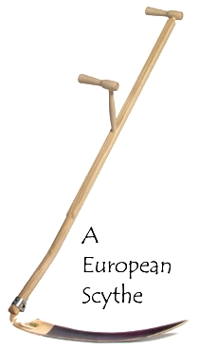
The land between my house and the road supports about a dozen trees and years of carefully nurtured native Texas grasses and wild flowers. When the wild flowers have all gone to seed I get out in the early morning to mow. I use a scythe for mowing. A scythe? You know that long, nasty looking thing that death carries around; that’s a scythe. It’s an old, old tool that when sharpened to a razor’s edge and swung by skilled hands cuts plants as smooth as butter and as easy as pie.

A scythe is an uncommon tool. It has almost been universally supplanted by gasoline-motor driven lawn mowers, weed-whackers, and leaf blowers. But as a human-powered, highly efficient and non-polluting tool, a scythe cannot be beat.  See http://www.scythesupply.com for all things scythe.

In years gone by everyone who mowed hay or harvested grain used a scythe and viewed that practice as a necessity of life. In our modern age we seem to take any manual chore and see in it some aspect of meditative zen practice and using the scythe is no exception. A scythe used properly is a flowing whole body activity that is conducive to a meditative state. I even found a paraphrase worthy of Chuang Tzu in Vido (2001), “Can we, one day, learn to guide the blade’s edge through the space between the plants’ cells?”

There is a contrast between the hard, fast-pace of city life and the measured bucolic acceptance of life in the country. So much of modern life seems to be built around stress, unhealthy foods, minimal exercise, and making the world fit into preconceived notions.

For me old hand tools symbolize old wisdom and ways of living that flow with the grain of life. Old tools evoke old traditions and the keepers of everything old are the elders in any community. This is true in many cultures except perhaps in the US where we seem to shun traditions and savor the new.

Thus, I find it interesting that a modern man can use an old tool and by applying a contemporary viewpoint (e.g., seeking a meditative state while doing manual labor) accomplish a task and improve his health. The lesson is that the old tools, old ways and old people have much to teach us about wellbeing and life.

References

  1. Merton, T. The Way of Chuang Tzu. New Directions Publishing Corporation, NY, 1965.
  2. Vido, P. The Scythe Must Dance. In D. Tresemer. The Scythe Book, Second Ed. Alan C. Hood & Company, Chambersburg, PA., 2001.


Guest Blogger: Amanda W. Scarbrough, PhD, MHSA —  Manager, Operational Planning and Projects, Texas AHEC East  —   aewalter@utmb.edu

My problem is that my children are still young and very needy. My weeks are packed with soccer games, ballet recitals and birthday parties (so many in fact that when we have a weekend without a party my children are confused… “What?! It’s the weekend. Why no cake?”

Like many in my situation, I anticipate relying on home care workers to fill the gap between what I can do for them and what they need but I can’t do. According to a recent article on CNN’s website the average hourly wage of a home care worker in the United States is less than $10 per hour.

“Poverty wages and a lack of benefits, training and career pathways means turnover is constant. The work force can barely meet the current need for care, supports and services, let alone what’s to come. More families are turning to immigrant women of color to provide care for their loved ones.

“These women work tirelessly to feed and bathe our nation’s senior citizens, serve as a go-between with family and doctors, count medication, even take care of pets, and yet they are denied basic wages, let alone benefits, worker protections and pathways to citizenship. In fact, one out of two direct care workers supplements his or her income with food stamps, Medicaid or public benefits, compounding our overall challenge.”  (Poo, 2012)

So, based on this recent information, my mind started again to turn. “Oh no! What if people stop going into the home health field and there aren’t enough workers to help my mom, dad and in-laws. What on earth will I do? There is no way I can manage my home, my parent’s home and my in-law’s home and keep everyone healthy and happy without help.” And I would bet that I am not alone in my line of thinking.

What is not often discussed is that the Affordable Care Act (ACA) makes considerable provisions for workforce development.  Title V. of this act, addresses the development and support of a health care workforce to meet the needs our nation and its senior citizens.  So as we think, and Congress deliberates, about overturning the ACA, it is important to think not only about the health insurance side of the plan but how it attempts to help plan for the futures of adult children of aging parents and our yet to be senior citizens.

References and Resources

  1. Poo, A. (June 27, 2012). Ageing Boomers Need Health Care Law. Retrieved from http://www.cnn.com/2012/06/27/opinion/ai-jen-poo-health-workers/index.html?hpt=hp_c1
  2. Geriatrics Workforce Shortage: A Looming Crisis for Our Families. Retrieved from http://www.eldercareworkforce.org/research/issue-briefs/research:geriatrics-workforce-shortage-a-looming-crisis-for-our-families
  3. The Patient Protection and Affordable Care Act Detailed Summary. Retrieved from http://dpc.senate.gov/healthreformbill/healthbill52.pdf

Image: http://theworkingcaregiver.files.wordpress.com/2012/05/sandwich-generation-2007-sm.jpg

Scooters. I had a scooter when I was a kid. It was a skateboard (before such things) with a T-handle you used to steer with. It was a lot of fun for going downhill. Not as much fun carrying it back up hill.

Nowadays, there are electric mobility-scooters for grown-up people who have trouble walking. I am of the firm opinion that having an electric scooter is a really cool thing even if the salespeople for these latter-day scooters look and sound like they previously sold used cars on late night TV.

We visited a friend who lives in an urban, assisted living facility and she met us at the door on her scooter. She invited us to see her apartment and off she went like a bunny on the scooter, leaving us to lope along way back in her dust. Later when going out to lunch, she again used her scooter for the trip to the car. Her scooter makes her more independent, conserves energy and is an excellent transportation tool.

Our friend does not venture out onto the sidewalks for a trip to the grocery store on her scooter. In the rural area where I live, I often see older people on scooters taking rather long journeys, on streets with no sidewalks and no urban safety features. I marvel at their sheer courage and gumption but I expect they are driven by desperation and a surfeit of alternatives.

Accident rates, and usage data in general, for the elderly on scooters was a bit hard to find. For agreement about the lack of data and some insights see and Hart et al, 2003 and May, Garrett & Ballantyne, 2010. A study by Hoenig et al (2007) concluded that people will use scooters if they are available and that minor collisions do occur fairly frequently. One survey (Edwards & McCluskey, 2010) did find an accident rate of 21% among a sample of powered wheelchair (25%) and scooter (75%) users. Also, a study by Nitz (2008) with able-bodied subjects concluded that driver training was needed for using scooters.

Getting around when you can’t walk far and don’t drive is an issue of major proportions. A little, motorized chair with wheels can make a big difference. One needs guts to get out on the streets with one but I imagine given the alternatives, guts can be summoned.

References

  1. Edwards, K & McCluskey, A. A survey of adult power wheelchair and scooter users. Disability and Rehabilitation: Assistive Technology, 2010, 5, 6, 411-419.
  2. Hart, T et al. Preliminary Evaluation of Electric Scooter Related Problems in Continuing Care Retirement Communities. Proceedings of the Human Factors and Ergonomics Society Annual Meeting, October 2003, 47, 12, 1536-1539.
  3. Hoenig, H, et al. Effect of Motorized Scooters on Physical Performance and Mobility: A Randomized Clinical Trial. Archives of Physical Medicine and Rehabilitation, 2007, 88, 3, 279-286.
  4. May, E, Garrett, R & Ballantyne, A. Being mobile: electric mobility-scooters and their use by older people. Ageing and Society, 2010, 30, 1219-1237.
  5. Nitz, JC. Evidence from a cohort of able bodied adults to support the need for driver training for motorized scooters before community participation. Patient Education and Counseling, 2008, 70, 2, 276-280.

Image – I cannot find the source for this photograph but it is widely reproduced across the Internet. That’s not a claim to fair use but it is an acknowledgement of a great picture.