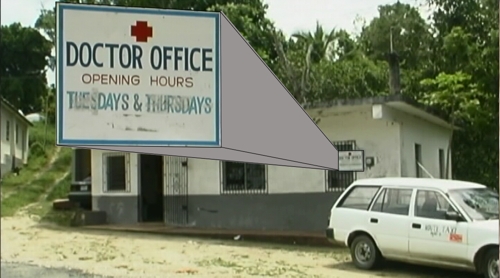
Seen while on a film shoot in Jamaica. A Medical Clinic open only on Tuesdays and Thursdays.

Seen while on a film shoot in Jamaica. A Medical Clinic open only on Tuesdays and Thursdays.

Latin America, like every other region in the world, is experiencing the effects of population aging. However, aging in Latin America has unique characteristics and these characteristics point towards aspects of aging where most attention from healthcare providers and most attention from policy makers and advocates is required. In Latin American and the Caribbean, populations turning 60 years of age after the year 2000 will be particularly fragile because they survived unfavorable conditions in early childhood. Most countries in this region are developing and experienced rapid mortality decline beginning in 1930 or 1940 that was characterized by the spread of medical knowledge and technology and to a much lesser degree, by improvements in standards of living. This mortality decline, added to changes in life styles and exposure to substances, produced three outcomes: first, a decrease in the level of communicable diseases and a corresponding increase in the proportional contribution of non-communicable conditions; second, an increase in frailty of cohorts born right before, during and shortly after the implementation of medical advances; and third, a persistence of communicable diseases because root causes like limited access to clean water, poor education, and insufficient health coverage and health services that can provide preventive measures, still prevail.  These outcomes put vulnerable populations, such as older adults, at higher risk of disease, disability and mortality.

These demographic characteristics of aging in Latin America place older adults in a very difficult situation. Despite the protective role of extended families in the care of older adults, specialized care is limited and policies targeted at protecting vulnerable older adults are limited and take a long time to get implemented. The number of Geriatrics programs is limited and the shortage of Geriatricians is one of the largest compared to other regions in the world. Even worst, there are many countries in Latin America that don’t have Gerontology programs. The number of healthcare providers trained in the care of older adults is therefore very limited and unlikely to improve in the near future.

In a globalized era like the one we currently live in, regional problems like the one presented above have a toll not only on the region but worldwide. The US Census projects that Hispanics will be the largest population group in the United States in the near future. This group will bring all the problems previously presented and pose an important health challenge for developed countries where migration usually occurs.

As researchers and healthcare providers we need to study these problems and conduct cross-national comparisons that may help us design policies and interventions that can help older adults have better quality of life. As a society we are not ready for the Aging Revolution that is coming upon us. Even worse we are assuming that aging follows a single pattern around the world. We must understand the unique characteristics, different countries and regions have and develop our interventions based on these unique characteristics.

This week’s Guest Blogger is Rafael Samper-Ternent M.D., Ph.D. He is currently a researcher at the aging institute at Javeriana University in Bogota, Colombia. Previously he was a fellow at the Sealy Center on Aging at UTMB.

Join us for a real-time discussion about questions raised by this essay on Tuesday from 12:00 p.m. to 12:45 p.m. See Discussion and SL tabs above for details. Link to the virtual meeting room: http://tinyurl.com/cjfx9ag.

References

  • Palloni,A., & McEniry,M. (2007). Aging and health status of elderly in Latin America and the Caribbean: preliminary findings. J.Cross.Cult.Gerontol, 22(3), 263-285.
  • Palloni,A., Pinto-Aguirre,G., & Pelaez,M. (2002). Demographic and health conditions of ageing in Latin America and the Caribbean. International Journal of Epidemiology, 31(4), 762-771.
  • US CEnsus Bureau 2010
  • Wong,R., Espinoza,M., & Palloni,A. (2007). Mexican older adults with a wide socioeconomic perspective: health and aging. Salud Publica de Mexico, 49 Suppl 4 S436-S447.

“I used to think that elder love, if it even existed, was confined to rocking chairs or golf carts, that it had to be a dull business because of the physical limitations of age.” – Nora Johnson

Tony and Bunny

Tony and Bunny

Nora Johnson is 71, long divorced and wasn’t really looking for love when she found George, a widowed 83-years young.  For Nora, it just kind of happened.   This is the caption attached to the article, Age is No Obstacle to Love, or Adventure.  Love is one of the most written about, sung about and mysterious concepts in life.  Love is fought over, killed and cried over. And I mean real love. The kind that when you find it, you would do anything to hold on to.  If you are a cynic and feel love can never happen, you may be considered fortunate, because you will never experience the pain that comes with the loss of love. But for that, I feel sorry for you, because that pain is the sweetest kind of pain.”   And for that, I feel sorry for you, because that pain is the sweetest kind of pain.  Makes you know you are alive inside.  If you can endure it, and the healing is done, you grow in wisdom, understanding, and appreciation of all that is around you.  You see things differently and from all sides.  They say the wounds of lost love open those chambers and spaces that otherwise would remain closed and unexplored.

So what about finding love when you are older?  Well, I am in my late 50’s and getting married in a couple weeks to an amazing woman in her early 60’s.  Not quite in the same age bracket as Nora and George.  But there are things I have considered.  We are in good health.  We play music together, which is how we met.  As a couple, we perform regularly at venues here in Galveston.  I am convinced that the love of music is what has cemented our relationship.  When we are not performing or working on new songs, things can get a little anxious in a hurry.  We can’t wait until the regular weekend gig we landed.  It helps us connect with each other as well as to ourselves.  We are two strong personalities when it comes to music.  And I have said that if we can play this kind of music without killing each other, we are meant to be together.  We fell in love almost immediately – like something you just know.  No big fanfare or ‘wow’ moment.  It was just there and we knew it.

Being in the field of Geriatrics, I can’t help but worry sometimes about our future and the inevitable changes that occur with age.  How will we deal with things that can jeopardize what we now have?  Will [insert any health condition – arthritis, dementia, stroke, cancer] impede how we approach our music, our love, our life?   The fear of losing what we have finally found is something we may have no control over and it does scare me.  I certainly didn’t think this way during my first marriage.  It was all about starting a family, getting the career off the ground and trying to make ends meet. We were young and energetic with the whole world in front of us.  But now, this is very different.  My kids are grown.  I am thinking of retirement and will have new chapters in life to take on.  I handle it, I think, by trying to live in the moment.   And realize that no matter what happens, the love we feel for each other will not end.  In a weird kind of way, we can look forward to helping and supporting each other if illness or whatever challenge crosses our path.

What it comes down to is the message in the Nora Johnson article.  Being with George was the ‘loveliest adventure’ and brought joy and magic to her life.  That is how I feel about being with Bunny.  Her love of life is contagious, as is her wonderful quirky ways that seem to blend so well with my own quirkiness.  We are two free souls in a world that promises us absolutely nothing.  We work for what we earn and play like kids in a playground.  And we will always have the music, even if after who knows how many years, the best we may be able to do is hum to each other.  Love really can be found at any age.  I am sure of it.  How do you feel about finding love at any age?

Oh, and a glorious holiday season to you all – no matter how you celebrate it!

Reference

Johnson, N. Age Is No Obstacle to Love, or Adventure. New York Times Fashion & Style, September 12, 2013.
http://www.nytimes.com/2013/09/15/fashion/Age-Is-No-Obstacle-to-Love-or-Adventure-modern-love.html?_r=0

Our Guest Blogger this week is Tony DiNuzzo, Ph.D., Director, East Texas Geriatric Education Center/Consortium, UTMB.

Join us for a real-time discussion about questions raised by this essay on Tuesday from 12:00 p.m. to 12:45 p.m. See Discussion and SL tabs above for details. Link to the virtual meeting room: http://tinyurl.com/cjfx9ag.

Another part of my life is spent as a movie producer and I’m currently shooting a new film. Today was actually the first day of shooting and after one shot, the rain caused us call the day to a close. It took two hours to set that first shot and an hour of re-takes to get it right and all in-between scattered drops of rain. Finally, it looked to go on raining for the rest of the day. We have re-scheduled that scene for a later day. Tomorrow an even larger group of actors and crew assemble at another location for the next scene and we’ll do it again. No rain is forecast. It will be a good day.

But then again, today was a good day; Working with friends, using skills honed over years of practice, drinking coffee and watching it rain. Best job in the world.

I sometimes wonder as I get older if the day will come to stop doing those enjoyable tasks we call our occupation. I expect that day will come brought about by some external force. How will I react? How will I process the change? What will replace it?

I think… well I think two things. First, I can overthink the future and second, always have a Plan B. Or if no plan, at least consider the possibilities.

Around this notion of considering the possibilities, I and my colleagues at UTMB made a film. I briefly mentioned how I used the film in a men’s group discussion on Week 33 – More on Grief – http://wp.me/pH3Dx-3R. The film is about Miguel Navarro who is a man who loves his job as a horse trainer. Miguel develops a fungus infection in his lungs from moldy hay in the barn. He is taken by paramedics to the hospital for emergency care and later a respiratory therapist visits him at his work on the horse farm. Miguel may have to give up his job to protect his health. Take a look at his story below and consider how similar circumstance might affect you.


Miscellaneous

My wife, Dianne, recommends the following two books about women and aging.

  • When I Am an Old Woman I Shall Wear Purple. Sandra Martz, Ed. Paper-Mache Press, Watsonville, California, 1987.
  • If I Had My Life to Live Over: I Would Pick More Daisies. Sandra Martz, Ed. Paper-Mache Press, Watsonville, California, 1992.

Join us for a real-time discussion about questions raised by this essay on Tuesday from 12:00 p.m. to 12:45 p.m. See Discussion and SL tabs above for details. Link to the virtual meeting room: http://tinyurl.com/cjfx9ag.

Rodger Marion, Ph.D. is UTMB Distinguished Teaching Professor and Senior Fellow in the Sealy Center on Aging. Those with time on their hands might want to follow his current film project at http://nudgedmovie.com

For many years I have been interested in telehealth, the delivery of health care services where the provider and patient are not in the same physical location. My colleagues and I used telehealth services as a medium for developing educational activities. A favorite patient case was Yusaf Khan. You can see his story below.

Yusaf is a man from a culture with high expectations and he means to live up to them regardless of his health and wellbeing. His son, Nabeel, is concerned that his father is putting culture above his health and via a mixture of electronic media he seeks help.

The case explores issues in cross generational communication, as well as, illustrating cultural expectations that are unfamiliar to most Americans. It also raises a number of issues about the delivery of healthcare at a distance. To wit:

  • What are the ethics of giving medical advice/recommendations via electronic media?
  • How can providers be compensated for their advice/services?
  • How can the limitations of not being physically present with the patent be overcome?
  • What are the limits on giving advice/recommendations at a distance?
  • How can quality control be maintained?


To learn more about telehealth and resources to fund pilot projects, see these links:

  1. Health Resources and Services Administration (HRSA), Rural Health. HRSA has a whole unit devoted to telehealth and their web site has many links to programs and activities of interest to rural areas. http://www.hrsa.gov/ruralhealth/about/telehealth
  2. One area is HRSA’s Telehealth Network Grant Program. Texas does not have a current grant in this area but the abstract for the one in California gives an idea of the kind of projects funded. http://ersrs.hrsa.gov/ReportServer/Pages/ReportViewer.aspx?/HGDW_Reports/FindGrants/GRANT_FIND&ACTIVITY=H2A&rs:Format=HTML4.0
  3. Federal Communications Commission (FCC), Universal Service Rural Health Care Program. The FCC provides financial help to rural providers to establish broadband services to rural communities to enable telehealth activities to be conducted. http://transition.fcc.gov/wcb/tapd/ruralhealth

Join us for a real-time discussion about questions raised by this essay on Tuesday from 12:00 p.m. to 12:45 p.m. See Discussion and SL tabs above for details. Link to the virtual meeting room: http://tinyurl.com/cjfx9ag.


Black Friday Shopping

Black Friday Shopping

The videos from the Black Friday shopping insanity are already coming in and posted for the world to see. Those images contrast sharply with the traditional ideals of the season. If you’re like me, seeing the madness makes you even more thankful to those who fundamentally shaped your world view. My 83 year old grandmother comes to mind. Fiercely independent and bold, I finally got her to move closer to where I live. Now that I get to check in on her multiple times per week we’re having conversations we never had.

I want to make sure that her legacy lives on, much like those Black Friday videos will.

The family has decided we will spend this holiday sorting through the pictures that have accumulated in her lifetime. The pictures will be scanned. We are also going to start recording the memories attached to those pictures. It’s a monumental task, but a great one none the less.

If you don’t have an elder family member close by, you can still show appreciation to those who have blazed trails before us. Check in on an elder neighbor or friend. You could invite them to one of the many family meals happening this season. Perhaps they need a ride to the grocery store to pick up food or gifts. If you have young children, you can lead the way in paying it forward and sing Christmas carols at a retirement home or village. If you are religious, church groups often do activities like this.

Get creative! You’ll feel a lot better about yourself after you have done something for someone else. Although your grandmother might have very much appreciated the high end cookware you got from the store during a massive sale, but I’ll bet she will appreciate even more the thoughtfulness you show when you stop by to install some grab bars into her tub. You might even come back home with a childhood story that you had never heard before.

These pictures and stories you get now will mean the world to the generations who will come after you.

Our Guest Blogger this week is Andrea Stephens, Coordinator, East Texas Area Health Education Center, North Central Region, Weatherford College.

Join us for a real-time discussion about questions raised by this essay on Tuesday from 12:00 p.m. to 12:45 p.m. See Discussion and SL tabs above for details. Link to the virtual meeting room: http://tinyurl.com/cjfx9ag.

UK IYOP_2013I was thinking thankfulness yesterday. Well, first I was thinking. “Time to split logs for firewood as it’s going to be cold and rainy tomorrow.”
Last month a friend helped me to cut down a huge Escarpment Black Cherry tree that had succumbed to the persistent drought. We stacked the logs down the hill from my house. Now, I began hauling them up to the garage where my chopping block, axe, sledge and wedge awaited. After a few trips, each carrying about all the logs I could manage, I found I was breathing hard and sweating (Well… it was pretty warm and swampy before the cold front moved in).

Never-the-less, it crossed my mind, as it often does, that I’m getting older and need to expect to get tuckered out faster than when I was just 60 or so. Then, I counter with, “Hey! I’ve always breathed hard and sweated after exercise!  Even in my 20’s and during Air Force basic training in San Antonio in August running a mile in under 8 minutes nearly killed me. So, I conclude that I’m doing rather well these days to still be hauling wood and splitting logs. Abe Lincoln, Ronald Reagan and me… not too shabby company.

So being thankful for being as fit as I still am led me to the notion of longevity.  My grandparents, both pairs of them, had five children each. Of those, I have two uncles, in their early 90’s on my mother’s side and on my dad’s side, one aunt, who will be 100 in February. So, that’s sort of a 30% survival rate for my relatives.

Back in blog 32, I discussed a cool web site with extremely, clever animated graphs dealing with longevity (Spiegelhalter, 2008).  One of the charts indicates that 2% of newborns survive to be 98 years old. So my living aunt is one of the very few and so I’m so thankful I’m doing as well as I am on my own personal survival path.

Join us for a real-time discussion about questions raised by this essay on Tuesday from 12:00 p.m. to 12:45 p.m. See Discussion and SL tabs above for details. Link to the virtual meeting room: http://tinyurl.com/cjfx9ag.

References

  1. Blog for Week 32, What Are the Odds? – http://wp.me/pH3Dx-3M
  2. Spiegelhalter, D. Understanding uncertainty: How long will you live? +Plus Magazine, 2008. http://plus.maths.org/content/understanding-uncertainty-how-long-will-you-live

Miscellaneous Bits – Various Days

  1. International Day of Older Persons. http://www.un.org/en/events/olderpersonsday http://webtv.un.org/search/international-day-of-older-persons-the-future-we-want-what-older-persons-are-saying/2732965451001?term=International%20Day%20of%20Older%20Persons
  2. International Women’s Day.  http://www.internationalwomensday.com
  3. International Men’s Day . http://www.internationalmensday.com/united-states.html http://www.theguardian.com/lifeandstyle/womens-blog/2013/nov/19/feminist-international-mens-day
  4. Universal Children’s Day.  http://www.un.org/en/events/childrenday

Image Source: UN Photo/Milton Grant of an older person in Havana.    http://www.un.org/en/events/olderpersonsday/images/IYOP_2013.jpg

A colleague mentioned premature aging as a possible blog topic. I’m not familiar with that area so I did a quick Google search. The top thing was the official Site of Cindy Crawford’s anti-aging skincare products and I decided that was not quite it.  The second item linked me to Progeroid syndromes (Wikipedia, the free encyclopedia. http://en.wikipedia.org/wiki/Progeroid_syndromes). This was the area I sought but I quickly discovered I’ll need an expert Guest Blogger to write about these disorders. One aspect of premature aging did appeal to me and was within my range of speculation.

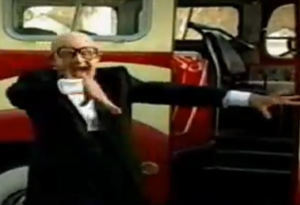
happy dance guyI was thinking about people who start to act old when they are still quite young. This phenomena was more obvious to me when I was a kid. I recall friends of my parents who really acted old when they were actually under sixty. Now, my generation has aged slower than my parents’ generation (60 is the new 40) so some of that “acting old” was probably physiological but I really think a lot of it was psychological in origin.
I catch myself occasionally wondering if I still have time left (at the moderately young age of 68) to finish a long term project or if my entertainment interests are “too young” for me. Am I too old to climb trees? Should I start being more careful lest I fall and break a hip? Is my eyesight going and should I not drive at night? Should I switch to decaf? It seems there can be a myriad of things to consider and to compensate for as I approach my autumn (winter?) years.

Fiddlesticks! While those are probably things to consider in a mindful way, I just cannot bring myself to worry about them. And worry seems to be a critical component of actual aging. The more one worries and stays in a stressful state the older one gets (See Sapolsky et al.).

So, I propose to keep doing what’s fun and interesting and try not to fall out of trees. Last year in blog 44 (http://wp.me/sH3Dx-304) I had a link to the happy dance and I think that just about sums up this blog too (http://www.youtube.com/watch?v=1PDIBTS_xDQ).

Join us for a real-time discussion about questions raised by this essay on Tuesday from 12:00 p.m. to 12:45 p.m. See Discussion and SL tabs above for details. Link to the virtual meeting room: http://tinyurl.com/cjfx9ag.

Reference

Sapolsky, RM, Krey, LV & McEwen, BS. The Neuroendocrinology of Stress and Aging: The Glucocorticoid Cascade Hypothesis. Science of Aging Knowledge Environment, 25 September 2002, Vol. 2002, Issue 38, p. cp212002:21. http://sageke.sciencemag.org/cgi/content/abstract/sageke;2002/38/cp21

Image Source: Still image from Happy dance video. See link above.

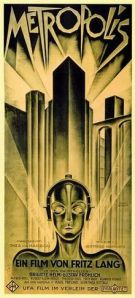
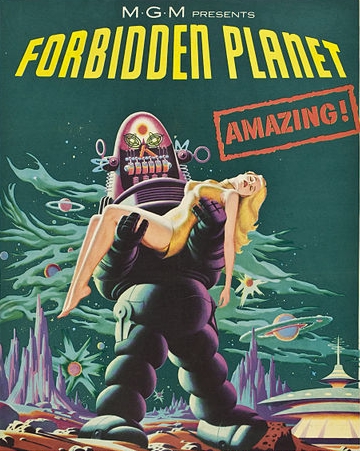
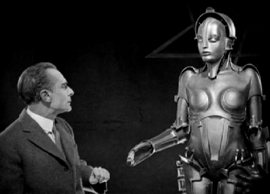
MetropolisposterThe magic of creating of intelligent machines that could interact with humans has long fascinated us (1). Early attempts were based on clockwork mechanisms and called Automatons. Fritz Lang, in his 1927 film Metropolis, created the ultimate mechanical woman who looked quite natural and fooled others that it was human (2). As a child, I first saw a robot in the film Forbidden Planet back in the middle 1950’s (3) provided we discount the Tin Man from the Wizard of Oz whom I did see earlier. I even developed a screenplay for a film about a woman with an artificial, sentient hand but that’s another story.
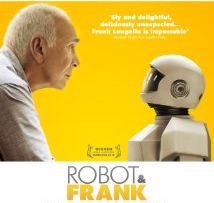
Recently, I watched Robot & Frank (4). An anonymous film critic gives a brief overview of the film: “A funny & touching film that is very effective at getting the audience to identify and empathize with Frank Langella’s aging character, a former cat burglar who is gradually growing senile. Frank’s son buys him a robot caretaker –a health-nut disciplinarian with a soft spot in its hardware heart — and Frank eventually persuades the robot to be his partner-in-crime in some late-life capers he has planned.” (5)

Robot & Frank 2What I found interesting about Robot & Frank was how naturally Frank, after some initial rejection, began to treat the robot as a person. I know I talk back to the navigation computer in my car, so I see how easily we anthropomorphize things.
The development of robots as caregivers for older patients has seen much development in the last decade and many people are seeing such mechanical and electronic devices as real options in caregiving (6). The process of caregiving for anyone with serious limitations, physical or mental, has many, many downsides. If one is at home and family are the caregivers it’s usually fatigue and stress that becomes unbearable for the caregivers. If one is in an institution, then the professional caregivers (or sometimes caretakers) are often subject to errors caused by overwork, understaffing, insufficient training, minimal motivation, etc.  But a robot is tireless, not bored by repetition, consistent, reliable, always positive and upbeat and knows not stress. Thus, a robot, once all the programming and legal concerns are solved, can be very helpful to its charge and provide needed respite for the other caregivers.

So, who wants a robot?

References

  1. Automaton. From Wikipedia, the free encyclopedia. http://en.wikipedia.org/wiki/Automaton
  2. Metropolis (Universum Film, 1927)  http://www.imdb.com/title/tt0017136
  3. Forbidden Planet (Metro-Goldwyn-Mayer, 1956)  http://www.imdb.com/title/tt0049223
  4. Robot & Frank (Dog Run Pictures, 2012)  http://www.imdb.com/title/tt1990314
  5. frimp13. An amusing & affecting look at technology, aging, and family.  http://www.imdb.com/user/ur1007374/comments?ref_=tt_urv
  6. Robotics Resources. Elder Care Robots, Are We There Yet. http://www.roboticsresource.com/category/types-of-robots/medical-robots

Image Sources:

Robbie the Robot 2

Join us for a real-time discussion about questions raised by this essay on Tuesday from 12:00 p.m. to 12:45 p.m. See Discussion and SL tabs above for details. Link to the virtual meeting room: http://tinyurl.com/cjfx9ag.

chainsawI had breakfast this morning with some friends at the Wimberley Café. It’s one of those local hangouts where you are sure to see someone you know. On this occasion,  my neighbor, who lives about a quarter mile up the hill from me, was at the next table.
Over breakfast, my friend told me about a local, eighty year old woman who was recovering from a rather nasty cut on her leg. It seems she was out cutting wood with her chainsaw when it somehow slipped and took a bite out of her leg.

While this story did remind me that those silly, orange chaps things the chainsaw people want one to wear might actually be a good idea, I was more encourage that octogenarians are out there wielding chainsaws with abandon. And so, I’m giving this determined and stalwart lady, the first ever Texas Pioneer Award.

Anyone else out there have stories of the enduring elderly holding up our frontier traditions?

Tidbits:

  1. Paul Krugman, Nobel Prize-winning economist, recently wrote about the notion of a true American single payer system for health care. Krugman, P. Political ideology clogs path the better health care. Austin American Statesman, October 29, 2013. http://www.statesman.com/news/news/opinion/krugman-the-big-kludge/nbZ8Q/
  2. There is a rather good overview of socialized medicine in Wikipedia. Socialized Medicine. From Wikipedia, the free encyclopedia. http://en.wikipedia.org/wiki/Socialized_medicine.
  3. My Mother-in-law turned 100 today (November 1, 2013).

Join us for a real-time discussion about questions raised by this essay on Tuesday from 12:00 p.m. to 12:45 p.m. See Discussion and SL tabs above for details. Link to the virtual meeting room: http://tinyurl.com/cjfx9ag.


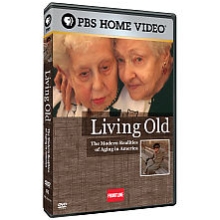
Living OldThe East Texas Geriatric Education Center-Consortium (ETGEC-C) hosts a monthly video series focusing on a wide range of aging topics.  Some videos are light and fun, such as Quartet, Young at Heart and Age of Champions.  Others are educational, like Exploring the Myths of Dementia.  And then there are those that tear at the heart and make you wonder what it will be like when you are old, fragile and need help.  Today we had one of those videos.  Living Old is a PBS Frontline film from 2006 that looks at the challenges facing America’s growing elderly population. The film’s synopsis states “those over the age of 85 now comprise the fastest growing segment of the U.S. population, creating a much higher need for medical care and straining America’s health care system.”
There really was little good news reported in this film.  Yet it could not be viewed as something you should ignore or avoid.  It is important to look at the possibilities in one’s life for the realities of aging – the decline in physical and mental health, the inevitable loss of some level of function, the need to rely on others and to view yourself as a burden to those you love and who love you.  The trick it seems is to either accept the inevitabilities of aging or fight it every step of the way.  What it really comes down to is understanding what your quality of life may be when you are chronically ill, in need of Depends, sitting in a wheelchair with uncontrollable Parkinson-like symptoms… and you are in better shape than your spouse sitting across from you with advanced Alzheimer’s Disease, loss of vision and limbs due to diabetic wounds – who doesn’t eat because she can’t remember how to swallow.

What is considered ‘good news’ in this sad scenario?  Some say if you are lucky you’ll be able to live and die in your own home, have a loving daughter to care for you or that your attitude will help relieve the pain and suffering.  But if you’re really lucky, the good news is you’ll have a heart attack and go quickly!

The film focuses on the profound questions of what modern technology has done to prolong life to the point beyond when living seems worth it – yet being stuck without much alternative since assisted suicide and euthanasia (which are different from each other) is frowned upon or illegal.  This is real life and death stuff with no easy answers.  Even the best in the business, Geriatricians, with all the health knowledge at their disposal cannot fathom what to do when they get old and are unable to function.  The film also focuses on the lack of health providers with adequate knowledge of geriatrics and how to care for older patients.  Whereas the ETGEC-C and the other 45 GECs in America pride themselves on trying to fill this huge gap in knowledge and provide clinical training that health providers need to provide adequate care for their older patients, we are nowhere close to accomplishing this mission.  The main reason I feel this way is that the need for quality health care for the very old is accelerating faster than the speed of the proposed solution, i.e. provide incentives for more health providers to enter geriatrics and fund programs such as the GECs to better train health providers.  Throwing money at problems never seems to work well.

I am hoping that the simple act of increasing awareness of the issues of aging, such as with this video series, of understanding the dynamics of living longer with more years of disability and poor health, gets through to the general public and that it becomes more of a priority to have useful dialogue for better solutions – including one on the legalization of assisted suicide.  And that opens up an entirely different discussion that will be examined in future posts.

Our Guest Blogger this week is Tony DiNuzzo, Ph.D., Director, East Texas Geriatric Education Center/Consortium, UTMB.

Join us for a real-time discussion about questions raised by this essay on Tuesday from 12:00 p.m. to 12:45 p.m. See Discussion and SL tabs above for details. Link to the virtual meeting room: http://tinyurl.com/cjfx9ag.

Based on: Living Old

  1. Trailer: http://www.youtube.com/watch?v=AcVKu6-PQCM
  2. Full Program – http://www.pbs.org/wgbh/pages/frontline/livingold/view
  3. Image Source: http://www.shoppbs.org/product/index.jsp?productId=2537118

Robot in MetropolisI couldn’t get pregnant because I was missing some critical organs.  It was a very dark period in my life – being faced with a health situation that was out of my control.  My doctor, let’s call her Dr. Nassairia, was very tough and serious.  She didn’t have many warm words of comfort, but at the end of countless appointments, she always patted my knee and smiled into my eyes.  I called it the Nassairia knee pat.  It wasn’t much, but her demonstration of empathy was just enough to keep me going.
Have you ever thought of how your display of empathy affects your patients?  Empathy is essentially two aspects in a conversation.  It marks the ability to perceive or feel another’s experience and then to communicate that perception back to the individual so they feel heard. Studies show that health practitioners who have greater empathy for patients have patients with better control of their diabetes as well as cholesterol levels (1, 2). Did you know that conveying empathy can be as simple as the knee pat and eye contact?  Basic body language can make your patients feel as though you are empathetic to their needs and can impact trust and perhaps even compliance.  If you want to see an immediate improvement in the way you make your patients feel, here are some ideas that convey empathy – even on your worst days when you might not feel empathetic.  Because, let’s face it, we all have bad days.

When you conduct a history and physical, consider rewording your questions to mirror the Kleinman’s Questions to Assess Health Beliefs (3).

  1. What do you call the problem?
  2. What do you think has caused the problem?
  3. Why do you think it started when it did?
  4. What do you think the sickness does? How does it work?
  5. How severe is the sickness? Will it have a long or a short course?
  6. What kind of treatment do you think you/the patient should receive?
  7. What are the chief problems the sickness has caused?
  8. What do you fear most about the sickness?

These yield the same clinical information as your usual questions, but make the patients know that you are really hearing their feelings and can put yourself in their shoes.  Just try one today and see what kind of response you get.

In addition to basic body language and the way you word your questions, you can try putting into play some other empathetic tactics.  For instance, you can rephrase some of your instructions from you statements to I or we statements.  Try this one out: Mr. Davis, you’ve been back three times with sugar levels that are too high.  Can you really work on your diet this month?  A simple rephrase can convey empathy and make a patient feel more engaged.  Mr. Davis.  I am very worried about how many times your sugar has been high and I’m afraid you’re going to have bigger problems soon.  What can we do to help you better follow the diet we talked about last time?  Try one on your own – it may help you in other relationships as well!

The bottom line is that most of your patients need to feel you are engaged with empathy.  It will be good for you both.  What are some other time-neutral ways you convey empathy?  Please share.

Our Guest Blogger this week is Meredith Masel, PhD, MSW. She is at the Oliver Center for Patient Safety & Quality Healthcare.

References

  1. Del Canale, Stefano, et al. “The relationship between physician empathy and disease complications: an empirical study of primary care physicians and their diabetic patients in Parma, Italy.” Academic Medicine 87.9 (2012): 1243-1249.
  2. Hojat, Mohammadreza, et al. “Physicians’ empathy and clinical outcomes for diabetic patients.” Academic Medicine 86.3 (2011): 359-364.
  3. Kleinman, Arthur, Leon Eisenberg, and Byron Good. “Culture, illness, and care: clinical lessons from anthropologic and cross-cultural research.” Annals of internal Medicine 88.2 (1978): 251-258.

Join us for a real-time discussion about questions raised by this essay on Tuesday from 12:00 p.m. to 12:45 p.m. See Discussion and SL tabs above for details. Link to the virtual meeting room: http://tinyurl.com/cjfx9ag.

Image Source: Metropolis (1927) – http://www.imdb.com/title/tt0017136

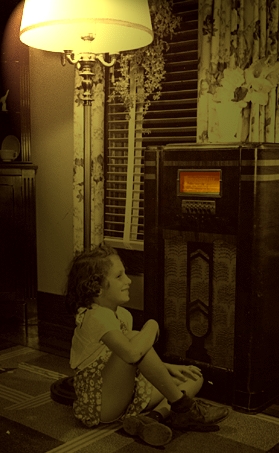
Rural lightingLiving in the rural Texas Hill Country I get my electricity from the Pedernales Electric Cooperative. This is a private electric utility owned by the members it serves. It was established in 1938 as part of the Rural Electrification Administration.

As late as the mid-1930s, nine out of 10 rural homes were without electric service. For many years, power companies ignored the rural areas of the nation. On May 11, 1935, Roosevelt signed Executive Order No. 7037 establishing the Rural Electrification Administration (REA). A year later the Rural Electrification Act was passed and the lending program that became the REA was funded. By 1953, more than 90 percent of U.S. farms had electricity. Most rural electrification is the product of locally owned rural electric cooperatives that got their start by borrowing funds from REA to build lines and provide service on a not-for-profit basis. REA is now the Rural Utilities Service, or RUS, and is part of the U.S. Department of Agriculture (1).

This is an example of the government stepping in when there was a need and the free market was not up to meeting the need. Our current situation with the Affordable Care Act (ACA) has similar aspects. Since seniors have Medicare, the ACA is actually concerned with providing access to health care services for poor, young, healthy adults and children This sub-population of the US is another area of need that the free market has not seen as profitable. So again the government has stepped in to do something.

Wondering about the choice of that something brings me to another rural organization. My home owners insurance is provided by Germania Farm Mutual Insurance Association. This association was founded by farmers in 1896 who needed, but were unable to get, farm insurance.  Policy holders are members and they own the company.

There are probably reasons why we are not approaching the issues of universal health insurance and universal health services through the formation of mutual insurance companies and medical cooperatives, but they escape me at the moment. I would off-hand suggest that the in-breeding between Congress and large healthcare and insurance corporations has blinded us to any grass-roots activities more reminiscent of town meetings and direct democracy.

Also, as that 1939 article from Time (10) might suggest, health care today is a lot more complicated and adding to that lots, lots more expensive. The healthcare infrastructure is so huge that grass-roots endeavors just fall apart when faced with the costs of complicated cancer treatments, heart/lung transplants, various sorts of robot-controlled surgery, CAT/PET/MRI scans, etc. But still, there are options and coops and mutuals may have a future. They helped a lot in the past.

Join us for a real-time discussion about questions raised by this essay on Tuesday from 12:00 p.m. to 12:45 p.m. See Discussion and SL tabs above for details. Link to the virtual meeting room: http://tinyurl.com/cjfx9ag.

References and Resources

  1. History of Electric Co-ops.  From National Rural Electric Cooperative Association. http://www.nreca.coop/about-electric-cooperatives/history-of-electric-co-ops/
  2. The Tennessee Valley Authority: Electricity for All. From the New Deal network. http://newdeal.feri.org/tva/index.htm#2
  3. History of the cooperative movement. From Wikipedia, the free encyclopedia. http://en.wikipedia.org/wiki/Pedernales_Electric_Cooperative
  4. Utility cooperative. From Wikipedia, the free encyclopedia. http://en.wikipedia.org/wiki/Utility_cooperative
  5. Mutual insurance. From Wikipedia, the free encyclopedia. http://en.wikipedia.org/wiki/Mutual_insurance
  6. A History of Germania Farm Mutual Insurance Association. http://www.germaniainsurance.com/AboutGermania/aboutgermania.shtml
  7. Health insurance cooperative. From Wikipedia, the free encyclopedia. http://en.wikipedia.org/wiki/Health_insurance_cooperative
  8. China Initiative: Evaluating Community Medical Cooperatives. From Harvard School of Public Health. http://www.hsph.harvard.edu/china-initiative/applied-research/community-medical-cooperatives
  9. Patient Physician Cooperatives of Portland. http://www.ppcpdxcoop.org
  10. Medicine: Cooperative Doctor. Time, Monday, May 01, 1939 (yes, from 1939). http://content.time.com/time/magazine/article/0,9171,761173,00.html

Image Source: Child by Radio and Lamp. Owner: Franklin D. Roosevelt Presidential Library. http://newdeal.feri.org/library/photo_details.cfm?PhotoID=5687&ProjCatID=10083&CatID=5&subCatID=1017

ConfusedAs the Social Worker in the Out-patient clinics at UTMB I both look forward to and dread this time of the year.  Medicare Open Enrollment is a confusing and overwhelming time for seniors and their families.  Last year I assisted more than 120 patients review their Medicare enrollments.   I look forward to this time because our patients are able to get out of plans that do not work for them anymore.  I dread it because there are many uninformed people giving seniors advice that is not correct and sometimes the senior is stuck with the wrong plan until next year.
On October 15th Medicare Open Enrollment begins.  Any enrollment changes for 2014 must be completed by Midnight December 7th.  There is a lot of press regarding aspects of the Affordable Healthcare Act currently going into effect.  These aspects impact persons who do not have medical insurance up to age 65. Most seniors age 65 and older have Medicare.

Medicare recipients need to review their options during the Open Enrollment as new companies and plans are available depending on living location.  New drug plans are being offered.  For the next ten (10) weeks there will be numerous commercials regarding the “best” plans being marketed.  This can be a very confusing time and the number of options overwhelming.

Seniors can go on-line at www.medicare.gov and use a program to identify options available and estimated costs.  Medicare does not pay 100% of costs and many recipients have opted for Medicare Advantage Plans which cover the uncovered parts but still have co-pays.  When considering an Advantage Plan seniors need to verify that their doctors and medical care facilities are in the Plan’s network.  Out-of-Network co-pays and deductibles can be expensive.

At a minimum, seniors need to check that the drug plan they have is still the best one.  The drug plans change drugs in their formulary.  Medications are added and dropped, Tier levels change, and quantity limits or pre-approval requirements are changed.  The plan a spouse is in may not be the best one for the partner.  I helped a couple who were in the same plan and after review the wife was in the plan that best met her needs but the husband was able to save more than $500 over the year in a different plan.  Be aware of deductibles and monthly premiums, some seniors have difficulty affording the deductible the first of the year.

Participants not comfortable using a computer can call Medicare (1-800-Medicare) and receive assistance by phone.  When calling, seniors need to call in October or November as hold times in December may be very long. When they call  they need to have their Medicare card and prescriptions ready as the helper will need more than just the name of the drug.  Social Security offers assistance with cost of premiums and medications for low income seniors. Applications for this can be found  on-line or by contacting the local Social Security office.

These suggestions can help your patients to have less costly and more positive healthcare experiences.

Join us for a real-time discussion about questions raised by this essay on Tuesday from 12:00 p.m. to 12:45 p.m. See Discussion and SL tabs above for details. Link to the virtual meeting room: http://tinyurl.com/cjfx9ag.

Our Guest Blogger is Adele Herzfeld, LMSW. She is the social worker in the UTMB Geriatric

Adele Herzfeld

Adele Herzfeld

Ambulatory Clinics.  She obtained her MSW at Stephen F Austin State University and has worked seniors in long-term care, home health, hospice and out-patient settings.  Ms. Herzfeld coordinates and assists with an educational seminar for Caregivers of persons with memory loss.  She is also an Alzheimer’s Association trained co-facilitator for the caregiver support group held at Libbie’s Place in Galveston.  Ms. Herzfeld participates in several community organizations that focus on the needs of seniors in the community.


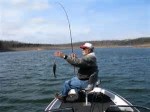
fishing in the sunSpending a week at the lake house in East Texas this summer, I ran into some older gentlemen whose lives revolve around bass fishing and boating on the lake. Everyone who spends a lot of time on the water shares a concern about exposure to the sun.    When I enquired about application of sunscreen, none of them admitted to using sunscreen as a protection. They did not think that sunscreen is very effective with the amount of time they spend outside, sweating and in and out of the water. They all had stories of friends and family members with a history of skin cancers.
According to the American Cancer Society, between 800,000 and 1 million new cases of skin cancer will be diagnosed in the United States, and 80 percent are directly related to sun exposure.  UVA and UVB radiation from the sun penetrates the outer layer of skin and cause damage to the collagen beneath. It can change cellular DNA, potentially causing it to mutate into cancer cells.  It is estimated that just two severe sunburns before the age of 18 can increase a person’s chance of developing skin cancer later in life.  The sun also affects the chance of developing cataracts and there is an increased incidence of macular degeneration in adults.

Despite the lack of sunscreen these gentlemen did educate me on other things they do to protect against the sun.  They wear long sleeved, hooded tee shirts, wide brimmed hats and bandanas over the nose. There is a host of new clothing products available that they told me about.  For head protection there are buffs, a balaclava head covering of light material treated to block UVA and UVB rays that covers, face, ears and neck.  There are gloves made of the same fabric to keep the backs of hands protected.  Colorful shirts and pants are available in breathable, sun blocking fabrics. Also, sunglasses that prevent UVA and UVB radiation from passing through the lenses.  A laundry additive, Sun Guard contains the sunscreen Tinosorb.  When added to a detergent, it increase the UPF of the clothing, and this protection lasts through 20 washings.

For the outdoorsman  a broad spectrum sunscreen which blocks both UVA and UVB radiation with an SPF of 50+ is recommended. There are some  sunscreens that are water resistant and SPF is maintained after 80 minutes of water immersion and do need to be reapplied after sweating or toweling to dry off.  For lips: lip-balm containing SPF 30 is recommended.

Reminding our elder fishing enthusiasts to protect themselves against the sun when outdoors with a good sunscreen that blocks UVA and UVB rays is good practice, but now we can add protective clothing to our recommendations.  I will be stopping by the sports shop to pick up a few items before my next trip to the lake.

Our Guest Blogger this week is Bronia Michejenko, RN, MSN, GNP, BC.

Join us for a real-time discussion about questions raised by this essay on Tuesday from 12:00 p.m. to 12:45 p.m. See Discussion and SL tabs above for details. Link to the virtual meeting room: http://tinyurl.com/cjfx9ag.

References and Resources

  1. Sun Protection. Cancer Trends Progress Report – 2009/2010 Update. National Cancer Institute. http://progressreport.cancer.gov/doc_detail.asp?pid=1&did=2007&chid=71&coid=711&mid. Accessed September 13, 2012
  2. Preventing Skin Cancer: Education and Policy Approaches in Outdoor Recreational Settings. http://www.thecommunityguide.org/cancer/skin/education-policy/outdoorrecreation.html.  Accessed September 12, 2013.
  3. Squamous Cell Carcinoma.  American Academy of Dermatology. http://www.aad.org/skin-conditions/dermatology-a-to-z/squamous-cell-carcinoma.  Accessed September 12, 2013.

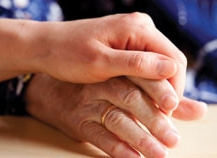
holding handsRonald Crossno recently published an opinion piece in the Austin American Statesman (8-28-13) about several bills in Congress aimed at increasing the number of healthcare professionals trained to provide hospice services. The bills are: Palliative Care and Hospice Education and Training Act (H.R. 1339 and S. 641) and Patient Centered Quality Care for Life Act (H.R. 1666). These bills, if passed, would provide Federal support for training and various other activities aimed at increasing the availability of palliative care.
These are excellent initiatives and hospice is a most excellent concept. Let’s say that I agree with 98% of the purposes of these bills, but in the back of my mind is a question. One large goal of these bills, and by inference the healthcare providers who support them, is the expansion of specialty training for physicians and other service providers.

I think we do the overall effectiveness and affordability of healthcare a disservice by creating specialties where the specialty is focused on what, as is the case with palliative care, should be every healthcare providers concern.

I agree, we need highly specialist surgeons who can operate sophisticated robots to do delicate brain surgery on the small segment of the population who needs such skills. However, on the other hand, palliative care and hospice seem to be more in the category of what everybody needs to do as routine and integrated practice. I would rather see these two bills focusing on 1) undergraduate medical and other entry-level healthcare education and 2) the integration of palliative care into the basic mindset of all providers and consumers.

We tend to create these specialized training programs, that produce specialists, who then need a specialized center to offer the service. We then work for years to get insurance and government to pay for it, and in the end, spend twenty or thirty years maintaining this specialized structure that, perhaps, ever so slowly, diffuses into general practice. The end goal can get lost in the day-to-day. For example, hospice, developed by Dame Cicely Saunders in England in the 1960’s, is still not a part of everyday care, as evidenced by the existence of the two bills above, after half a century.

I realize there is a tradeoff when trying to make a new idea (hospice, for instance) common practice. One needs advocates and people skilled in the practices. However, creating specialties where the need is unwarranted just increases training costs, adds more bureaucracy to licensure, and creates specialized practice niches that add additional costs to the consumer.

I do think we need to have long range strategies when developing new ideas and methods that have as the end goal making services widely available, easily accessible and highly affordable. To date, we tend to do just the opposite.

Join us for a real-time discussion about the ideas raised by this essay on Tuesday from 12:00 p.m. to 12:45 p.m. See Discussion and SL tabs above for details. Link to the virtual meeting room: http://tinyurl.com/cjfx9ag.

Reference and Resources

  1. Crossno, R. Congress can improve patients’ quality of life. Austin American Statesman, Editorial, Aug. 28, 2013. http://www.mystatesman.com/news/news/opinion/crossno-congress-can-improve-patients-quality-of-l/nZcmh
  2. American Academy of Hospice and Palliative Medicine.
    Ronald Crossno’s blog at the AAHPM: http://www.aahpm.org/apps/blog/?author=165
    Academy web site: http://www.aahpm.org
    Consumer web site: http://www.palliativedoctors.org
  3. History of Hospice, National Hospice Foundation web site:   http://www.nationalhospicefoundation.org/i4a/pages/index.cfm?pageid=218

Image Source: http://www.stlouis.va.gov/services/Palliative_Care.asp

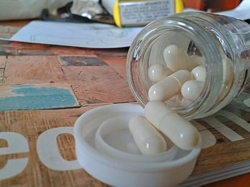
pillsMary was a great patient. She came in regularly, every six months. Nothing wrong, just wanted to make sure everything was working fine. It always was. On this Monday though, something was ever so slightly off. Mary’s gait was wobbly. She was talking just a little too slowly. “What’s wrong?” I asked. She tried to smile. “Nothing, only…” The pause told me what I wanted to know, but I waited for her to finish. “Only the last few days…” Eventually it came out. Her new regimen of morning grapefruit juice was amplifying the effects of her blood pressure medications.
Few seniors realize the potential dangers of taking non-prescription medications and herbal supplements they see in the drug store or grocery.  The dangers range from falls, low blood pressure, bleeding, kidney injury, liver failure, cancer and premature death.  The dangers are many.  OTC and herbal remedies can lead to adverse drug interactions with many of the other medications seniors take.  Then, too, because they are not regulated, the supplements can contain contaminants. No one  checks for them.  Also not checked is the level of active ingredients.  These can range wildly so that a pill taken on one day can be fine.  Another pill from the same bottle can have twice as much active ingredient, or even more.  For these reasons, you should talk to your health care provider about herbal supplements and use them with caution.

Herbs are not regulated by the FDA because they are considered food products.  The most common herbs used by seniors tend to address problems in the areas of memory, lack of energy, depression and prostate problems.

A commonly used herb for sleep and anxiety is Kava Kava.  While effective for sleep or anxiety disorders, Kava Kava can also lead to liver failure, leading to liver transplantation.  You are better off staying away from Kava Kava if you have a problem with sleep or anxiety.  Try chamomile tea instead or talk to your doctor.

Another commonly-used drug to improve memory and circulation is Ginkgo Biloba.  Ginkgo Biloba is a very potent product with pharmacology activities similar to blood thinners such as Coumadin and Aspirin.  The results of studies on Ginkgo Biloba have been mixed.  The most recent studies show little to no improvement on dementia symptoms.  The only time I advise my patients to stop taking Ginkgo Biloba is when they are taking blood thinners such as Plavix, Coumadin, or any of the new blood thinners.  Taking Ginkgo Biloba with blood thinner prescriptions can lead to excessive bleeding.  It is also important for a patient on Ginkgo Biloba to stop the product when going for a major surgery.  The patient should always inform their health care professionals of use of Ginkgo Biloba.  Garlic and ginseng can also increase bleeding in people on blood thinners.

Another potentially dangerous medication is St. Johns Wort.  St. Johns Wort is used by many seniors to treat depression.  St. Johns Wart contains chemicals that increase the breakdown of many prescription medications, such as medication for blood pressure, medications used to prevent transplant rejections and medication used for seizures.  A few studies have shown that St. Johns Wort can help with mild depression; however, in seniors with multiple co-morbidities, I advise them not to use St. Johns Wart because of the high potential of adverse drug reactions.  Using St. Johns Wort can lead to reduced activities of medications for seizure and transplant rejection, for example.

I also advise seniors not to use grapefruit juice to take medications.  Grapefruit juice contains potent chemicals that prevent breakdown of many prescribed medications for the elderly, like those for cholesterol and blood pressure.  In such patients, grapefruit juice can lead to low blood pressure, wobbly gait, falls, and muscle breakdown from the accumulation of these drugs in blood.

Just like prescription medications, over-the-counter herbal products can cause serious side effects if not taken properly.  Any symptoms in an elderly person could be an interaction between prescription and non-prescription medication.  Seniors should always inform their physicians, nurses and pharmacist about all prescription and non-prescription medications to avoid adverse drug interactions.  A great source of information on herbs and other food supplements is the local pharmacist, especially for seniors living in rural areas.

M. RajiOur Guest Blogger this week is Mukaila Raji, M.D., M.S., F.A.C.P. Professor & Director, Division of Geriatric Medicine, Edgar Gnitzinger Distinguished Professorship in Aging, and Program Director, Geriatric Medicine Fellowship
References

  1. Cohen PA. American roulette — contaminated dietary supplements. N Engl J Med 361:1523-1525, 2009
  2. Raji MA. (2007). Polypharmacy. In Markides KS, ed. , Encyclopedia of Health and Aging, Thousand Oaks, CA: Sage Publications.
  3. Raji MA, Kuo YF, Al Snih S, Sharaf BM, Loera JA. Ethnic differences in herbs and vitamins/minerals use in the elderly. Annals of Pharmacotherapy. 39(6):1019-23, 2005.
  4. Bailey DG, Dresser GK. Interactions between grapefruit juice and cardiovascular drugs. Am J Cardiovasc Drugs. 4(5):281-97. 2004

Join us for a real-time discussion about ideas raised by this essay on Tuesday from 12:00 p.m. to 12:45 p.m. See Discussion and SL tabs above for details. Link to the virtual meeting room: http://tinyurl.com/cjfx9ag.

Image source: Images free at Pixtabay: http://pixabay.com/

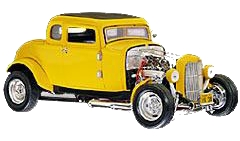
deuce coupe“Driving by men has declined in every age group except those 65 or older, where it increased slightly. Among women, driving declined only among young adults and teenagers.”
Remember when the ultimate sign of freedom was being able to jump in your car and just drive? No one was telling where to go or what time to you had to get there.  Just drive!  The only thing you loved more than your car was probably your mom and her apple pie!

Lately there have been a slew of news articles examining current trends in driving habits – number of people with driver’s licenses, monthly average number of miles being driven, who are buying new cars, etc…  Almost all indicators suggest a decline in driving, especially among young adults and teenagers.  According to economists Don Pickrell and David Pace, driving habits peaked in 2007 and they suggest several reasons for the decline since.

Mostly reasons seem to be economical – high gas prices, recession, and high cost of new cars.  But there are other possible reasons.  Maybe there is less fascination with the cars themselves – driving a ‘computer car’ just doesn’t compare to driving a classic pink Cadillac, an old Chevy Coupe or a ‘Hot Rod Lincoln.’  We have become more sensitive to environmental pollution due to gas emissions and the dependence on foreign oil.

But the groups being most affected seem to be younger.  The older driver seems to be hanging in there with their driving habits, especially older men.  The paradox here is that economically you would think the older driver would be less inclined to drive.  Elderly on fixed incomes may be more negatively affected by high gas prices and the outrageous cost of a new car (average price $31,000).  Yet, older folks seem to be driving as much as ever or even more.

I’m not sure why, but I have some theories.

First, driving equates to independence.  Older drivers seem to be more likely to hold on to that old feeling of freedom and driving.  Giving up their driver’s license is like a death sentence and the first major indicator of losing one’s independence.

Second, older drivers drive more for purpose than pleasure.  I think they drive more often for a specific reason – to get to the store, the doctors, to socialize.  The art of joy riding doesn’t fascinate them as much as it might a younger person who is looking for kicks in a fast car and wanting to be noticed.

Also, older drivers may have advantages in driving habits compared to younger drivers. It’s been said that older drivers are the safest drivers on the road – as long as they are healthy.  Insurance is cheaper for them and maybe an ‘old-timer’ is more likely to hold on to that old car longer, have it paid off and drives only when absolutely necessary.  No need to trade it in for something they can’t afford.

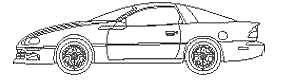
As I get older I find myself holding on tighter to my 2002 Camaro and not being so in love with newer cars.  I can hear the sound of my car’s engine, especially when I start it.  I can feel and ‘hug the road’ with my wide tires.  Deep down I know if I wanted to I can blow the doors off most cars on the highway.  And when I close the door, it sounds like a car, not a tin can.  I still want to know how to do basic maintenance on my own car.  And, if needed, I have a trusted mechanic who is a good friend of mine and understands my car, as well as me. So I am probably on my way to being one of those folks who will probably hold on to that car forever and that feeling of freedom while driving.

How do you feel about driving in today’s world?  Sitting in traffic as your expensive gas is used up.  Is it still fun?  Can you still remember the first time you got in your own car after getting your driver’s license and you could go anywhere you wanted?  I do!

2002 camaro

Our Guest Blogger this week is Tony DiNuzzo, PhD, Director, East Texas Geriatric Education Center-Consortium.

Join us for a real-time discussion about ideas raised by this essay on Tuesday from 12:00 p.m. to 12:45 p.m. See Discussion and SL tabs above for details. Link to the virtual meeting room: http://tinyurl.com/cjfx9ag.

Reference

Lowy, J. Americans Driving Less as Car Culture Wanes. ABC News, Aug. 29, 2013. http://abcnews.go.com/Politics/wireStory/stats-show-americans-driving-anymore-20102969

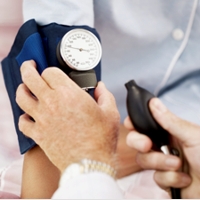
Taking BPWe are accustomed to the routine measurement of blood pressure, heart rate, respiratory rate, and temperature at every visit to the doctor’s office.  We are not surprised by 4:00 am awakenings for obligatory vital sign monitoring in a hospital.  Since 2001, the Joint Commission on Accreditation of Healthcare Organizations has required pain assessment in healthcare settings (1).  Thus, pain is commonly referred to as a 5th vital sign.  What will be the 6th vital sign?  Some suggestions include:  health-related quality of life (2), distress (3), health literacy (4), urinary incontinence (5), mental status (6), fall risk (7), and gait speed (8).  All of these factors are particularly relevant to aging adults.  I will elaborate on gait speed, and perhaps future bloggers will be inspired to explore other potential 6th vital signs.
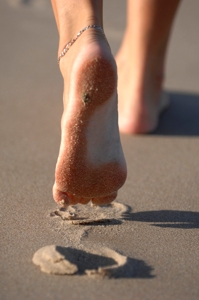
Gait speed (a.k.a. gait velocity, walking speed, walking velocity) is a reliable and valid functional measure that has predictive value for important health outcomes.  This simple measure is associated with physical and cognitive decline, future hospitalizations, discharge destination, mortality, falls, and quality of life (8,9).  All you need is a patient with the ability to walk (with or without and assistive device), a stopwatch, a measurable clear straight pathway (> 4 meters), and either a calculator or basic math skills (distance/time).  Gait speed is commonly measured with the patient’s self selected or usual pace, which can also be compared with a fast pace.  Ability to increase gait speed beyond usual pace is an important indicator of functional reserve.  A systematic review of studies with average participant age > 70 years estimated usual gait speed of 0.46 m/s in acute care, 0.53 m/s in subacute care, and 0.74 m/s in outpatient (9).  Normal gait speed for community-dwelling older adults is 1.2 – 1.4 m/s.8  These findings suggest “the need for ongoing rehabilitation to attain levels sufficient for reintegration in the community (9).”

Discussion question – what measure do you recommend as a 6th vital sign for geriatric patients?

This week’s Guest Blogger is Rebecca Galloway, PT, PhD, GCS, CEEAA, Assistant Professor, Department of Physical Therapy, UTMB School of Health Professions.

Reference List

  1. The Joint Commission. Facts about pain management. http://www.jointcommission.org/pain_management/ .Updated 2013. Accessed 8-22-2013.
  2. Feeny D. Health-related quality-of-life data should be regarded as a vital sign. J Clin Epidemiol Feet in the sand2013;66:706-709.
  3. Waller A, Garland SN, Bultz BD. Using screening for distress, the sixth vital sign, to advance patient care with assessment and targeted interventions. Support Care Cancer 2012;20:2246.
  4. Heinrich C. Health literacy: The sixth vital sign. J Am Acad Nurse Pract 2012;24:223.
  5. Joseph AC. Is urinary incontinence as the sixth vital sign part of your practice? Urol Nurs 2009;29:146.
  6. Flaherty JH, Rudolph J, Shay K et al. Delirium is a serious and under-recognized problem: why assessment of mental status should be the sixth vital sign. J Am Med Dir Assoc 2007;8:273-275.
  7. Younce AB, Hinton D, Hayes DD, Berg J. Make fall risk the sixth vital sign. Nursing 2011;41:64.
  8. Fritz S, Lusardi M. White paper:  “walking speed:  the sixth vital sign”. J Geriatr Phys Ther 2009;32:49.
  9. Peel NM, Kuys SS, Klein K. Gait speed as a measure in geriatric assessment in clinical settings:  a systematic review. J Gerontol A Biol Sci Med Sci 2012;68:39-46.

Join us for a real-time discussion about ideas raised by this essay on Tuesday from 12:00 p.m. to 12:45 p.m. See Discussion and SL tabs above for details. Link to the virtual meeting room: http://tinyurl.com/cjfx9ag.

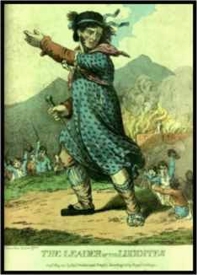
LudditeThe United States is one of the few countries in the world that considers health care as a commodity and pays for it through the mechanism of insurance provided by private corporations. The rest of the world considers health care to be a public service. Why don’t we change?

Well, other than the inconvenient fact that our legislatures are filled with elected representatives who are supported by the very corporations that public service health care would disenfranchise, part of the reason lies in inertia.

Matthew Heineman, speaking to our rigid health care system, provides “a metaphor comparing our broken health care system with a forest fire that ignited in Mann Gulch, Mont., in 1949. Just as the health care system today lies perilously on the brink of combustion, this forest fire, which seemed harmless at first, was waiting to explode. A team of 15 smokejumpers parachuted in to contain the fire, but soon they were running for their lives to the top of a steep ridge. Their foreman, Wag Dodge, recognized that they would not make it.

With the fire barely 200 yards behind him, he came up with an ingenious solution. He took some matches out of his pocket, bent down and set fire to the grass directly in front of him. Soon after, he stepped into the middle of the newly burnt area, calling for his crew to join him. But nobody followed Wag Dodge. They ignored him, clinging to what they had been taught. The fire raged past Wag Dodge and overtook the crew, killing 13 men and burning 3,200 acres. Dodge survived, nearly unharmed.”

There is an even shorter metaphor from a Pete Seeger song from the 1960’s, Waist Deep in the Big Muddy (http://youtu.be/uXnJVkEX8O4).

One day, we will truly consider the options available for providing health care in the US. Until that day we will fritter away the years with marginal systems that are profitable for any number of entities but that really do little to increase the level of wellness and quality of life for the elderly or for anyone else really.

So, how can a real willingness to consider the options for health care that are embraced by almost everyone else be created in the minds of the people best able to effect change in the US health care system? What are the options? Who are these people? How do we get to them in an effective manner?

Join us for a real-time discussion about ideas raised by this essay on Tuesday from 12:00 p.m. to 12:45 p.m. See Discussion and SL tabs above for details. Link to the virtual meeting room: http://tinyurl.com/cjfx9ag.

References

  1. Heineman, M. Do we want disease care or health care? Austin American Statesman, Thursday, April 4, 2013. http://www.statesman.com/news/news/opinion/heineman-do-we-want-disease-care-or-health-care/nXCd5/
  2. List of countries by health insurance coverage. http://en.wikipedia.org/wiki/List_of_countries_by_health_insurance_coverage
  3. Universal health coverage by country. http://en.wikipedia.org/wiki/Universal_health_coverage_by_country

Image Source: The Leader of the Luddites – http://en.wikipedia.org/wiki/File:Luddite.jpg

Fraud“Avoidance is the most straightforward way of dealing with conflicts of interest.”
(Reference 1)

Of course you follow good medical practices, but do you ever find yourself keeping someone in the hospital one more night so that they can qualify for 30 days in a skilled nursing facility?  The purpose of this blog post is to illuminate common types of Medicare fraud and/or abuse to remind ourselves that we, though often part of a solution to a patient’s problem, can be part of the problem of rising health care costs.

As a medical provider who works with Medicare reimbursement, are you in conflict knowing that your company’s finances are dependent on the revenue you create?  If Medicare will reimburse you for an echocardiogram every six months for a certain patient, do you order those tests as a practice or do you really look at the patient’s physical needs, as well as, their [the patient’s] values and desires? Do you tell yourself that the repeated tests prevent hospitalizations?  Are you sure about that with all of your patients?  Have you looked at the latest research?

It is difficult to be a good steward of Medicare funds. The funds don’t come from a bank account that we see and if you are not in administration you aren’t usually involved with reporting. Medicare feels somewhat like an unlimited fund. Many providers unintentionally abuse Medicare. According to the Centers for Medicare and Medicaid Services website, “Abuse happens when doctors or suppliers don’t follow good medical practices, which leads to unnecessary costs to Medicare, improper payment, or services that aren’t medically necessary.” (Reference 2)

The following are some examples of fraud and abuse that you might spot in your practice.  Though some of these are egregious and you may never see them, some are a little simpler and you can do something about it right away.  If we as a community cut down on Medicare waste, there will be more available for those who need it the most.

Medicare Fraud and Abuse Examples: Take a look at your practice

  • Phantom billing – Billing for tests not performed. Performing inappropriate or unnecessary procedures.
  • Charging for equipment/supplies never ordered.
  • Billing Medicare/Medicaid for new equipment but providing the patient used equipment.
  • Billing Medicare/Medicaid for expensive equipment but providing the patient cheap equipment.
  • A drug or equipment supplier completing a Certificate of Medical Necessity (CMN) instead of the physician.
  • Reflex testing – Automatically running a test whenever the results of some other test fall within a certain range, even though the reflex test was not requested by a physician.
  • Defective testing – When a test or part of a test was not performed because of technical trouble (i.e., insufficient or destroyed sample, machine malfunction) but is billed for anyway.
  • Code jamming – Laboratories inserting or “jamming” fake diagnosis codes to get Medicare/Medicaid coverage. Offering free services or supplies in exchange for your Medicare or Medicaid number. Unbundling – Using two or more Current Procedural Terminology (CPT) billing codes instead of one inclusive code for a defined panel where rules and regulations require “bundling” of such claims.
  • Submitting multiple bills, in order to obtain a higher reimbursement for tests and services that were performed within a specified time period and which should have been submitted as a single bill.
  • Double billing — charging more than once for the same service, for example by billing using an individual code and again as part of an automated or bundled set of tests.
  • Up coding – Inflating bills by using diagnosis billing codes that indicate the patient experienced medical complications and/or needed more expensive treatments. (e.g., billing for complex services when only simple services were performed, billing for brand-named drugs when generic drugs were provided, listing treatment as having been for a more complicated diagnosis than was actually the case.)
  • Improper cost reports — Submitting false cost reports seeking higher Medicare reimbursements than permitted by actual facts.
  • Providing substandard nursing home care and seeking Medicare reimbursement. (Reference 3)

Our guest blogger this week is Meredith Masel, PhD, MSW. She is at the Oliver Center for Patient Safety & Quality Healthcare.

References

  1. Nagaldinne, GK and Bakansas, EL. Why is Medicare Wasting Away? Forum: Bander Center for Medical Business Ethics, Jan 29, 2011. http://bandercenter.blogspot.com/2013/01/why-is-medicare-wasting-away-by-govind.html
  2. Medicare.gov. Report Fraud & Abuse.
    http://www.medicare.gov/forms-help-and-resources/report-fraud-and-abuse/fraud-and-abuse.html
  3. QuiTamOnline.com. Common Types of Qui Tam Fraud. http://www.quitamonline.com/fraud.html

Join us for a real-time discussion about ideas raised by this essay on Tuesday from 12:00 p.m. to 12:45 p.m. See Discussion and SL tabs above for details. Link to the virtual meeting room: http://tinyurl.com/cjfx9ag.